 English
 中文简体
中文简体 русский
 GET A QUOTE
Industry News
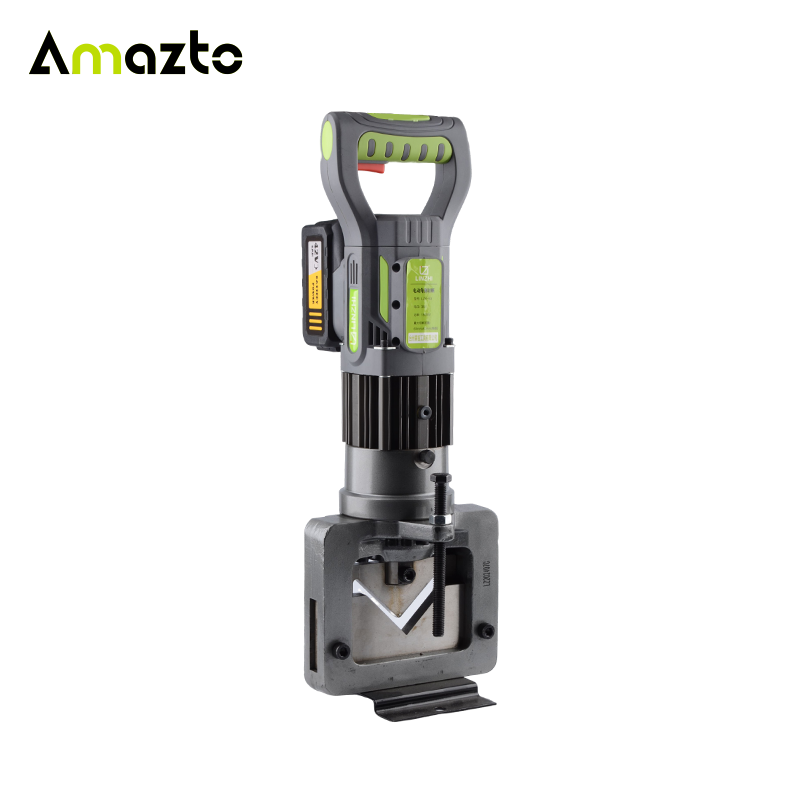
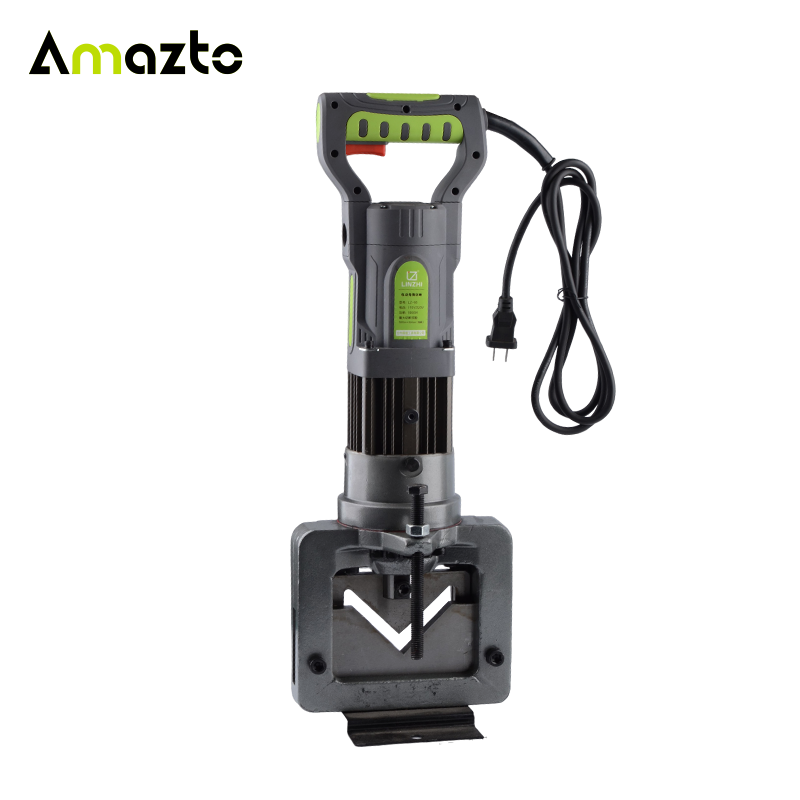
The electric punching machine has become a standard tool in sheet metal fabrication shops, electrical enclosure manufacturing, and sign making facilities. Unlike drilling that removes material as chips, an electric punching machine shears a clean hole in one stroke without creating burrs or metal shavings. Fabrication supervisors have selected the electric punching machine for making holes for conduit fittings, wiring grommets, and mounting hardware. The speed of an electric punching machine explains its presence in production lines for electrical panels and equipment boxes. Manufacturers continue to produce electric punching machine units with various tonnage ratings and throat depths.
Punching capacity of an electric punching machine determines the big hole size and material thickness. A small electric punching machine handles 2-millimeter steel sheet for light-duty electrical work. A mid-size electric punching machine in common use processes 3-millimeter mild steel for industrial enclosures. A heavy electric punching machine cuts through 5-millimeter steel for structural applications. The tonnage rating of an electric punching machine ranges from 5 to 30 tons depending on model. An electric punching machine with higher tonnage punches larger holes and thicker materials.
Tooling system for an electric punching machine includes punch and die sets for different hole shapes. A round punch and die on an electric punching machine produces holes for conduit and fasteners. A square punch set for an electric punching machine creates openings for electrical outlets and switches. A keyhole shape on an electric punching machine accepts mounting hardware for panel components. The quick-change tooling on many electric punching machine models allows set changes under one minute. A properly aligned electric punching machine tool set produces clean holes without die marks.
Throat depth of an electric punching machine determines how far from the sheet edge holes can be placed. A shallow throat electric punching machine reaches 100 millimeters from the edge for small panels. A standard electric punching machine with 300-millimeter throat suits electrical enclosure manufacturing. A deep throat electric punching machine reaching 500 millimeters positions holes in large sheet centers. The work table of an electric punching machine includes gauges for repeatable hole placement. An electric punching machine with extended throat requires sturdy mounting to prevent deflection.
Stroke control on an electric punching machine affects cycle speed and operator safety. A foot pedal operated electric punching machine leaves both hands free for material positioning. A two-hand trip electric punching machine requires both buttons pressed simultaneously for each stroke. The stroke length of an electric punching machine may be adjustable for different material thicknesses. An electric punching machine with single stroke mode requires intentional reactivation after each cycle. The ram return speed of an electric punching machine affects production cycle time.
Material handling features of an electric punching machine improve productivity. A back gauge on an electric punching machine positions sheets for consistent hole distances from edges. The work light on an electric punching machine illuminates the tooling area for accurate placement. A sheet support arm on an electric punching machine holds large panels level during punching. The front arms of an electric punching machine provide reference points for hole positioning. An electric punching machine with digital readout shows gauge settings for repeatable work.
The electric punching machine will likely continue as a sheet metal fabrication staple. For shops needing clean holes without drilling chips, the electric punching machine offers a practical solution.
 Previous