 English
 中文简体
中文简体 русский
 GET A QUOTE
Industry News
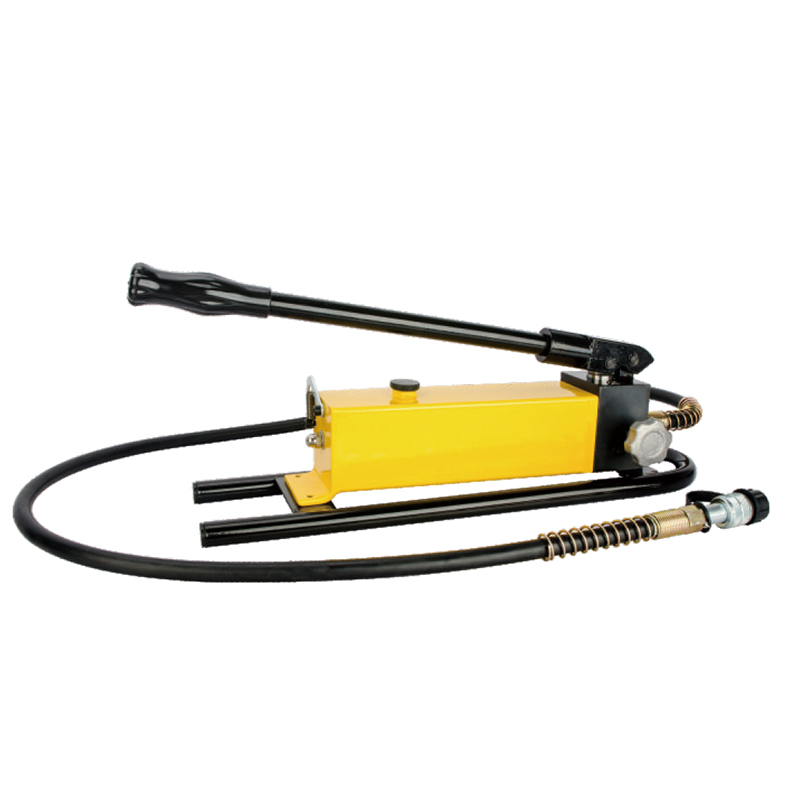
Across diverse sectors, from mobile construction equipment to industrial factory floors, the generation of hydraulic power begins with a single critical component: the hydraulic pump. This device serves as the heart of any hydraulic system, responsible for converting mechanical energy—typically from an electric motor or an internal combustion engine—into hydraulic energy. It does this by moving hydraulic fluid from a reservoir into the system, creating the flow and pressure necessary to drive actuators like cylinders and motors. The performance and efficiency of the entire hydraulic circuit are fundamentally tied to the characteristics of the hydraulic pump.
The core function of a hydraulic pump is to create fluid flow. It operates on the principle of creating a partial vacuum at its inlet, allowing atmospheric pressure to push fluid from the reservoir into the pump. The pump then mechanically displaces this fluid, forcing it out into the pressurized system. It is important to note that a hydraulic pump generates flow; the system pressure is created by the resistance to this flow, such as when the fluid meets a cylinder piston or a restriction. Different types of hydraulic pump designs are chosen based on the required flow rate, pressure level, efficiency, and cost considerations for a specific application.
Several principal designs define the hydraulic pump landscape. Gear pumps, including external and internal gear variants, are known for their simplicity, durability, and cost-effectiveness, making them common in mobile hydraulics and medium-pressure industrial applications. Vane pumps offer quieter operation and good efficiency within their pressure range. For the high pressures and precision control in demanding industrial and mobile systems, piston pumps are often selected. These can be further categorized into axial and radial piston designs, with many offering the advantageous feature of variable displacement, allowing the output flow of the hydraulic pump to be adjusted to match system demand, thereby improving overall efficiency.
The selection of an appropriate hydraulic pump is a decisive engineering choice. Factors include the required continuous and peak pressure, the necessary flow rate in liters per minute, the type of hydraulic fluid being used, and the desired service life. The hydraulic pump must be matched to the power and speed of its prime mover. Furthermore, modern system design increasingly emphasizes energy efficiency, pilot to greater adoption of variable-displacement hydraulic pump models that reduce wasted flow and heat generation compared to traditional fixed-displacement pumps with throttle valves.
Maintenance and system care are vital for preserving hydraulic pump life. Contamination of the hydraulic fluid by particulates is a pilot cause of pump wear and failure. Therefore, maintaining fluid cleanliness through effective filtration is paramount. Proper fluid viscosity and temperature also impact hydraulic pump performance and longevity. Symptoms like increased noise, decreased output, or external leakage often signal that a hydraulic pump may require servicing or replacement.
The role of the hydraulic pump is expanding and adapting within evolving technological frameworks. In mobile machinery, there is a trend towards electro-hydraulic solutions where the hydraulic pump is driven by an electric motor, enabling more precise control and integration with vehicle energy management systems. Research continues into improving the efficiency of pump designs and developing smart hydraulic pump units with integrated sensors for condition monitoring and predictive maintenance.
The hydraulic pump will remain indispensable for applications requiring high power density and robust force transmission. While alternative drive technologies emerge for certain functions, the fundamental advantages of hydraulics for heavy lifting, pressing, and digging ensure a sustained demand for reliable and advanced hydraulic pump technology. Its continuous evolution towards greater efficiency, controllability, and connectivity will ensure the hydraulic pump continues as the vital pulse of fluid power in countless machines that build, manufacture, and move the modern world.
 Previous