 English
 中文简体
中文简体 русский
 GET A QUOTE
Industry News
A notable shift is occurring in plumbing, heating, and gas installation practices with the growing adoption of a specialized device: the pipe fitting crimping tool. This mechanical tool is designed to create permanent, leak-proof joints between pipes and fittings, typically for PEX (cross-linked polyethylene) or multilayer composite pipe systems. The rise of the pipe fitting crimping tool reflects a broader move towards faster, cleaner, and more reliable installation methods compared to traditional soldering, threading, or glueing techniques.
At the core of the process is the pipe fitting crimping tool itself. It works by mechanically compressing a copper or stainless steel ring (called a crimp ring or sleeve) around the outside of a pipe that has been inserted into a specially designed fitting. The tremendous, uniform pressure applied by the pipe fitting crimping tool deforms the ring and creates a tight, permanent seal between the pipe and the fitting's barbed interior. This cold-joining process requires no open flame, hot solder, or chemical solvents, addressing safety concerns and making it suitable for use in confined or sensitive spaces.
The advantages driving the use of a pipe fitting crimping tool are significant for professional installers. Speed and consistency are primary benefits. A connection made with a pipe fitting crimping tool takes only seconds to complete, dramatically reducing labor time on large projects like whole-house repipes or radiant heating systems. The quality of the joint is highly consistent and less dependent on the individual skill level required for superb soldering. Furthermore, because there is no heat involved, the pipe fitting crimping tool can be used immediately after making the joint, without a cooling period, and eliminates the fire risk associated with torch work near joists or insulation.
The reliability of joints created with a pipe fitting crimping tool has been well-established through extensive testing and long-term field performance. When the correct size ring is used with the matching pipe fitting crimping tool jaw, the connection typically exceeds industry standards for pressure and longevity. The seal is resistant to vibration and thermal cycling, common causes of failure in other types of joints. This reliability is crucial for behind-the-wall plumbing and in-floor heating systems, where a leak can be particularly costly and difficult to repair.
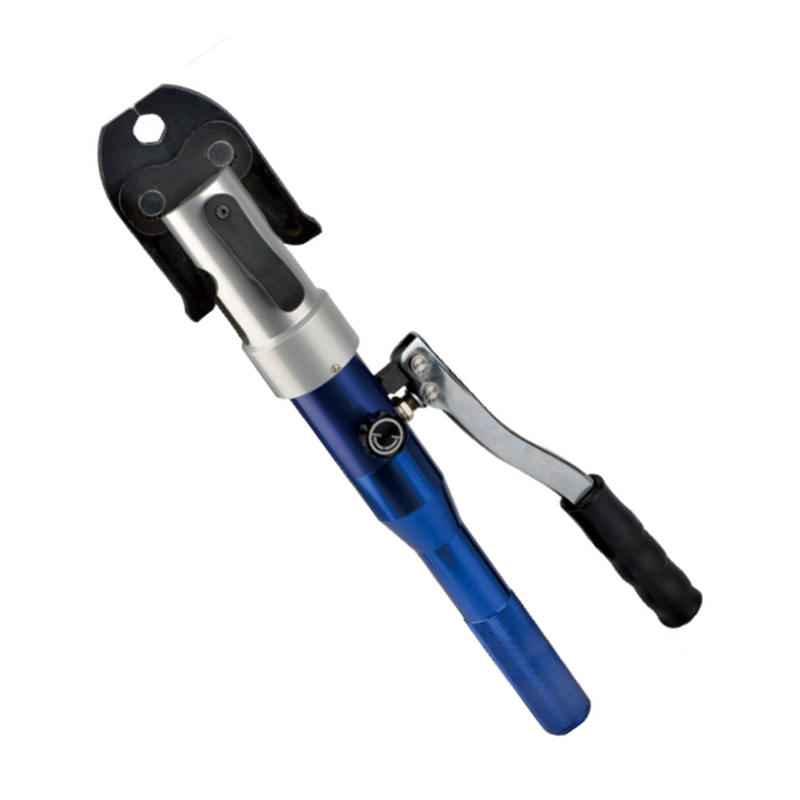
The market offers a range of pipe fitting crimping tool designs to suit different needs and scales of work. Manual pipe fitting crimping tool models, resembling large pliers, are common for residential and light commercial work. For high-volume projects, battery-powered or hydraulic pipe fitting crimping tool units significantly reduce user fatigue and increase productivity. These tools are often part of a system, with dedicated jaws for specific pipe sizes (e.g., 1/2-inch, 3/4-inch), ensuring a superb crimp every time. Proper calibration and maintenance of the pipe fitting crimping tool are recommended to guarantee its continued accuracy.
The role of the pipe fitting crimping tool is expected to expand alongside the continued growth of PEX and similar piping systems in residential and commercial construction. Its adoption is also being fueled by the increasing prevalence of DIY-friendly plumbing projects, where the relative simplicity and safety of the pipe fitting crimping tool method are attractive. While traditional methods retain their place for certain materials like copper soldering, the pipe fitting crimping tool has firmly established itself as the standard method for modern flexible piping installations.
 Previous