 English
 中文简体
中文简体 русский
 GET A QUOTE
Industry News
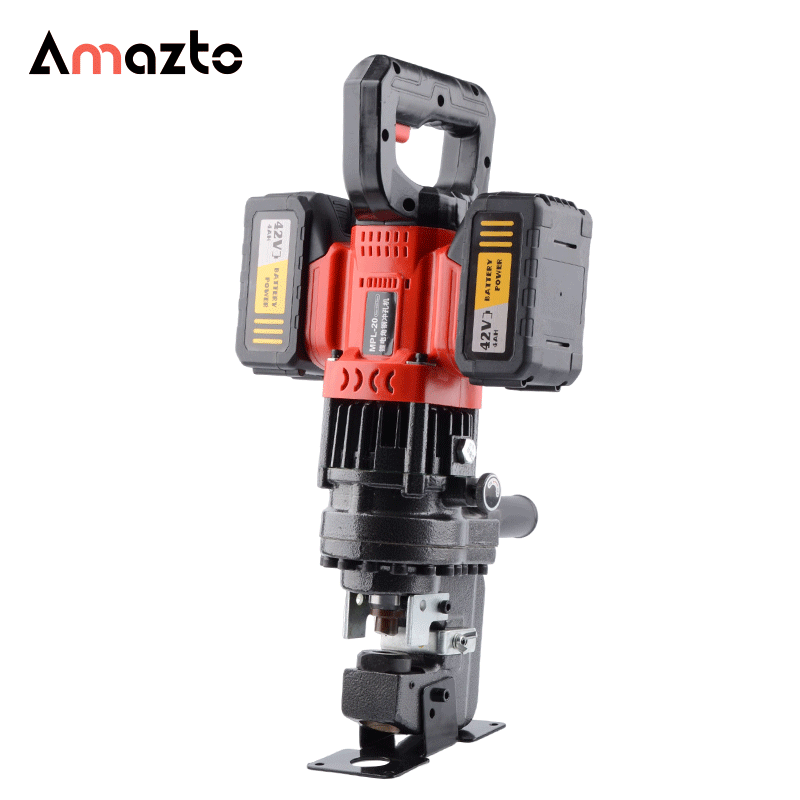
The global industrial landscape is witnessing a notable and steady expansion in the sector dedicated to punching machines. These fundamental tools, which are used to perforate or shape materials such as metal, plastic, and composite sheets, are becoming increasingly central to modern fabrication processes. Industry reports from several market research firms highlight a consistent upward trajectory in both sales and technological development related to the punching machine. This growth is not an isolated phenomenon but is intrinsically linked to broader shifts in manufacturing priorities, where flexibility, precision, and integrated automation are paramount. The versatile nature of the punching machine allows it to serve a wide array of applications, from small-scale workshops to large, automated production facilities, making its market resilience particularly noteworthy.
A primary driver behind this sustained demand is the ongoing technological evolution within the punching machine category. Contemporary models are far removed from their purely mechanical predecessors. Today's standard punching machine is typically governed by advanced computer numerical control systems, which translate digital designs into precise physical actions with remarkable accuracy. This digital integration minimizes human error and allows for the consistent, high-speed production of complex components. For manufacturers, investing in a modern punching machine translates to enhanced operational efficiency, the ability to fulfill custom orders with shorter lead times, and a significant reduction in material waste through optimized nesting software. The competitive pressure to improve product quality while managing costs ensures that the advanced punching machine remains a sought-after asset on the factory floor.
Moreover, the specific requirements of emerging industries are reinforcing the importance of the punching machine. As sectors such as renewable energy, electric vehicle infrastructure, and specialized electronics advance, they create demand for custom-fabricated parts and enclosures. The punching machine is uniquely suited to meet this need, capable of handling various material grades and thicknesses with relative ease. Its role extends beyond mere hole creation; modern punching machine systems can also perform forming, tapping, and marking operations, consolidating multiple manufacturing steps into a single, coherent workflow. This multifunctional capability makes the punching machine a cornerstone of lean manufacturing strategies, directly contributing to streamlined production and inventory management.
However, the industry's path forward is not without its considerations. The increasing sophistication of the punching machine necessitates a parallel investment in workforce training. Operators and programmers must possess a deeper understanding of both the mechanical aspects of the machine and the software that controls it. Furthermore, supply chain stability for critical components like specialized tooling and control systems remains a focal point for manufacturers of the punching machine. Economic fluctuations can impact capital expenditure decisions, potentially moderating the pace of new installations in certain regions.
The punching machine is demonstrating its enduring value within the manufacturing ecosystem. Its market growth is a direct reflection of its adaptability and ongoing technological refinement. As production environments continue to evolve toward greater digitization and customization, the capabilities of the punching machine will continue to be leveraged. Its function remains essential, transforming raw materials into precise components that form the backbone of countless finished products, ensuring that this equipment will maintain its significant role in industrial production for the foreseeable future.
 Previous