 English
 中文简体
中文简体 русский
 GET A QUOTE
Industry News
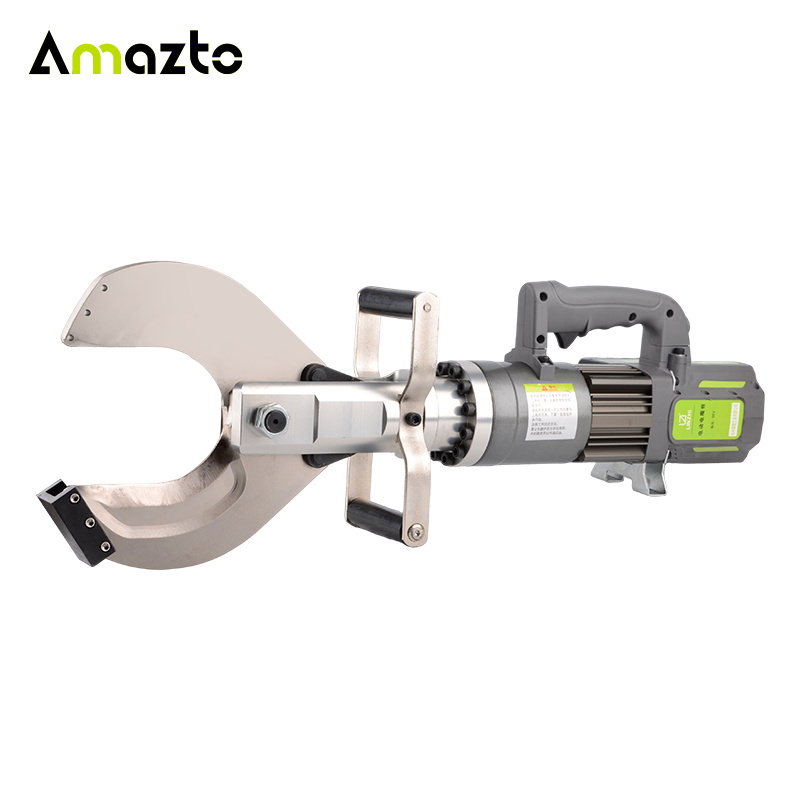
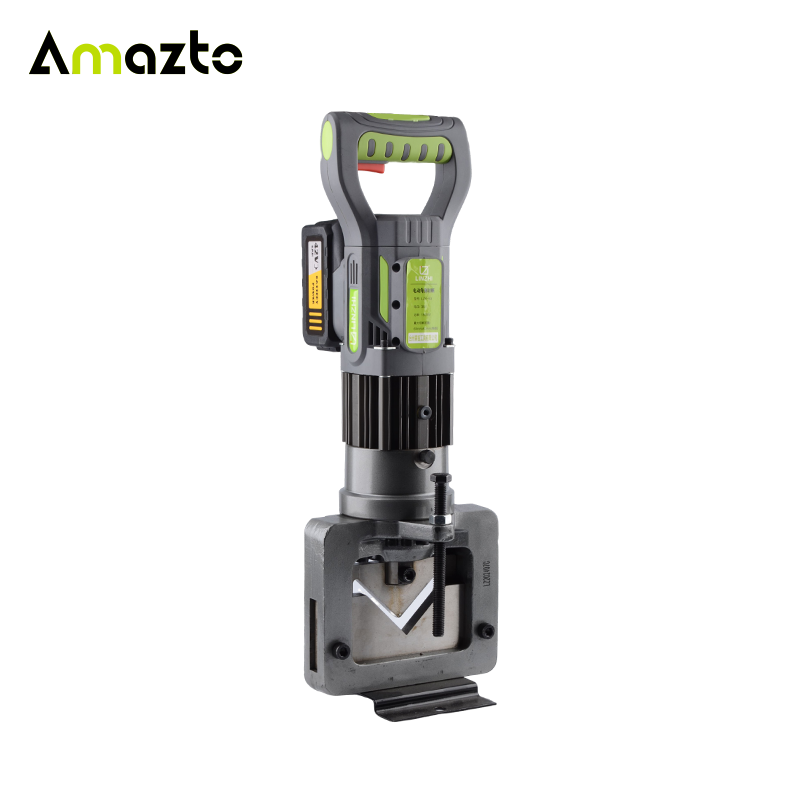
A Battery Powered Hydraulic Tool changes the way many cable and pipe installation tasks are completed on-site. Unlike traditional hydraulic equipment that depends on external power sources or manual operation, battery-driven designs combine a compact power system with hydraulic force generation inside one portable unit. However, making this type of tool work consistently requires careful control of several internal systems during manufacturing.
For professional users, the expectation is simple. The tool should start when needed, complete the operation smoothly, and maintain stable performance throughout repeated tasks. Achieving this result depends on more than the battery itself.
The Battery Is Only One Part Of The System
When people discuss a cordless hydraulic tool, the battery is usually the feature mentioned.
Factory engineers consider the complete system.
The motor.
The hydraulic mechanism.
The control circuit.
The working components.
All parts need to cooperate properly.
A Battery Powered Hydraulic Tool converts electrical energy into hydraulic force through multiple steps. If one part does not match the others, the final operation may be affected.
During production, technicians therefore check the relationship between different components instead of testing each part separately.
Assembly Accuracy Influences Working Results
Hydraulic tools contain many internal parts that move under pressure.
Small assembly differences can influence the final operation.
Workers pay attention to connection areas.
Internal movement.
Component positioning.
Before a battery powered hydraulic tool enters final testing, assembly teams usually inspect whether the main structures are installed correctly.
These checks help reduce unexpected problems during later operation because adjustments are easier to complete inside the factory than after the product reaches a job site.
Field Conditions Create Different Challenges
Tools are rarely used in environments.
Workers may operate equipment outdoors.
The working space may be limited.
The tool may be transported between different locations.
These situations place additional demands on the design.
For this reason, manufacturers consider practical usage during product development.
A Battery Powered Hydraulic Tool needs to remain convenient while maintaining stable operation under normal working conditions.
Factory testing often includes repeated operation checks because one successful activation does not represent long-term use.
Repeated Testing Helps Find Hidden Issues
Many problems do not appear during a single test.
A tool may work correctly once.
After repeated cycles, different conditions may become visible.
Battery connection.
Motor response.
Hydraulic movement.
These details are observed during production testing.
Workers record basic information.
power function checked
hydraulic operation tested
battery connection confirmed
final sample approved
Although these records are simple, they help production teams compare different batches and identify changes over time.
Maintenance Feedback Improves Future Production
After products enter the market, user feedback becomes another source of manufacturing experience.
Technicians may receive information about repeated use.
Common working environments.
Frequently checked components.
This feedback helps manufacturers understand which areas require more attention in future production.
A battery powered hydraulic tool is not developed only through factory testing. Real working conditions also provide valuable information for improving design and production methods.
Stable Performance Comes From Multiple Details
A portable hydraulic tool needs to balance several requirements at the same time.
It needs enough power.
It needs controlled operation.
It needs a structure suitable for repeated use.
These goals are achieved through many small manufacturing decisions rather than one single component.
For a Battery Powered Hydraulic Tool, battery selection, assembly accuracy, testing procedures, and production experience all contribute to the final working condition.
In professional applications, users often notice the result rather than the manufacturing process behind it. However, the stability they experience comes from careful control of every production stage before the tool leaves the factory.
 Previous