 English
 中文简体
中文简体 русский
 GET A QUOTE
Industry News
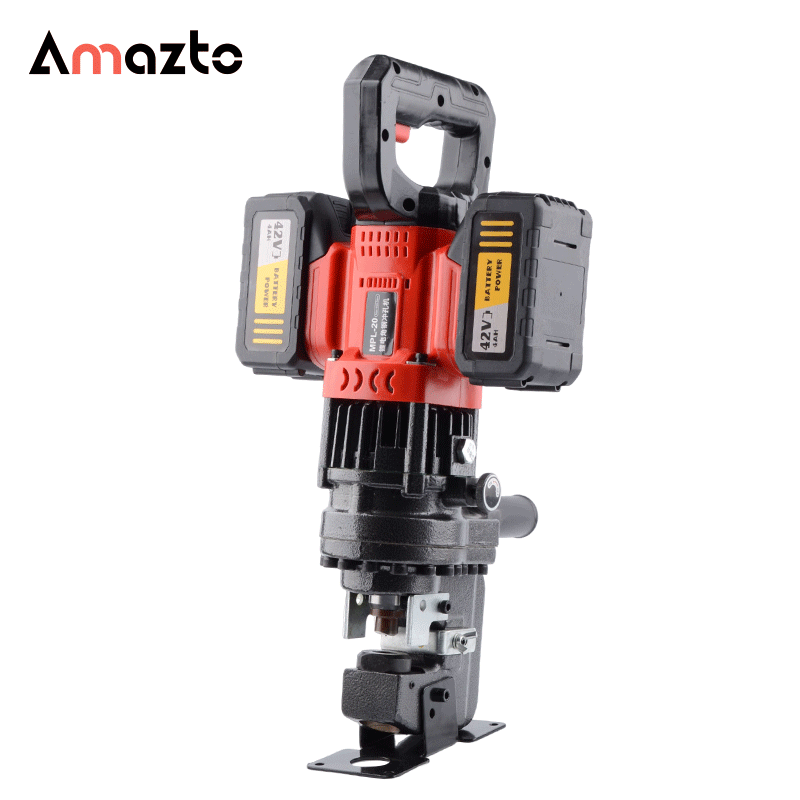
The manufacturing landscape is witnessing a significant upgrade in precision engineering with the new advancements in the custom electric punching machine. As industries increasingly demand tailored solutions for complex fabrication tasks, the evolution of this specialized equipment is providing fabricators with unparalleled control, energy efficiency, and repeatability. Unlike traditional pneumatic or hydraulic systems, the modern custom electric punching machine leverages advanced servo motor technology to deliver precise force and speed, marking a departure from conventional methods.
The primary advantage of deploying a custom electric punching machine lies in its ability to be adapted to specific workflow requirements. Manufacturers are no longer forced to conform to the limitations of standardized tooling. Instead, a custom electric punching machine can be designed with specific die sets, automated feeding mechanisms, and programmable logic controllers that integrate seamlessly into existing production lines. This level of customization ensures that operators can handle a diverse range of material thicknesses and geometries without compromising on throughput. The precision offered by these systems significantly reduces material waste, a critical factor in maintaining cost-effectiveness in high-volume production environments.
Furthermore, the shift toward electric actuation addresses growing concerns regarding energy consumption and workplace noise. A custom electric punching machine typically consumes power only during the actual punching cycle, as opposed to hydraulic systems that often run pumps continuously. This on-demand energy usage translates to substantial cost savings over the machine's lifespan. Additionally, the reduction in hydraulic fluid requirements lesss maintenance intervals and eliminates the risk of fluid contamination, contributing to a cleaner and safer operational floor. The quiet operation of a custom electric punching machine also fosters a better working environment, reducing noise pollution that is common in heavy fabrication shops.
The technical specifications of these machines are equally impressive. Modern iterations of the custom electric punching machine boast high stroke rates and rapid tool indexing capabilities. When integrated with automated material handling systems, a single custom electric punching machine can outperform multiple older units, consolidating floor space and simplifying production management. The software controlling these machines allows for complex pattern replication and instant recall of job settings, ensuring that batch consistency is maintained regardless of operator experience levels. This digital integration is a cornerstone of the smart factory concept, where data from the custom electric punching machine can be monitored in real-time to predict maintenance needs and optimize production scheduling.
The versatility of the equipment extends to the variety of materials it can process. Whether working with mild steel, stainless steel, aluminum, or even composite materials, the custom electric punching machine can be calibrated to deliver the exact force required without causing deformation or burring. This capability is essential for producing high-quality components intended for final assembly. The ability to program intricate hole patterns and unique shapes gives designers the freedom to innovate without worrying about the limitations of manual fabrication techniques.
The custom electric punching machine is more than just a piece of fabrication equipment; it is a comprehensive solution for modern manufacturing challenges. By offering tailored configurations, energy savings, and predominant precision, this technology is setting new standards for what fabricators can achieve. As more industries recognize the value of adaptable and efficient machinery, the custom electric punching machine is poised to become a cornerstone of competitive production strategies worldwide. Its continued development promises to unlock even greater efficiencies, solidifying its role in the future of industrial fabrication.
 Previous