
 English
 中文简体
中文简体 русский
 GET A QUOTE
Industry News
Home / News / Industry News / Which Factors Influence Hydraulic Angle Steel Cutting Machine Selection?
Steel processing companies are paying more attention to equipment selection as fabrication projects become more varied. Workshops handling structural steel, electrical cabinets, construction frames, and industrial components often need cutting equipment that matches their daily production conditions.
Before placing equipment orders, many buyers discuss details such as material thickness, cutting frequency, workshop space, and maintenance requirements. These conversations usually happen before price discussions because the machine needs to fit the actual working environment.
For companies searching for Hydraulic Angle Steel Cutting Machine solutions, production capability is often connected with the type of steel profiles being processed. Different applications may require different cutting methods and machine configurations.
A steel fabrication workshop rarely handles only one type of job. Some companies process angle steel for construction projects, while others prepare components for machinery manufacturing or electrical installations.
This difference influences equipment purchasing decisions. A machine used for occasional processing may have different requirements compared with equipment running throughout the day on a production line.
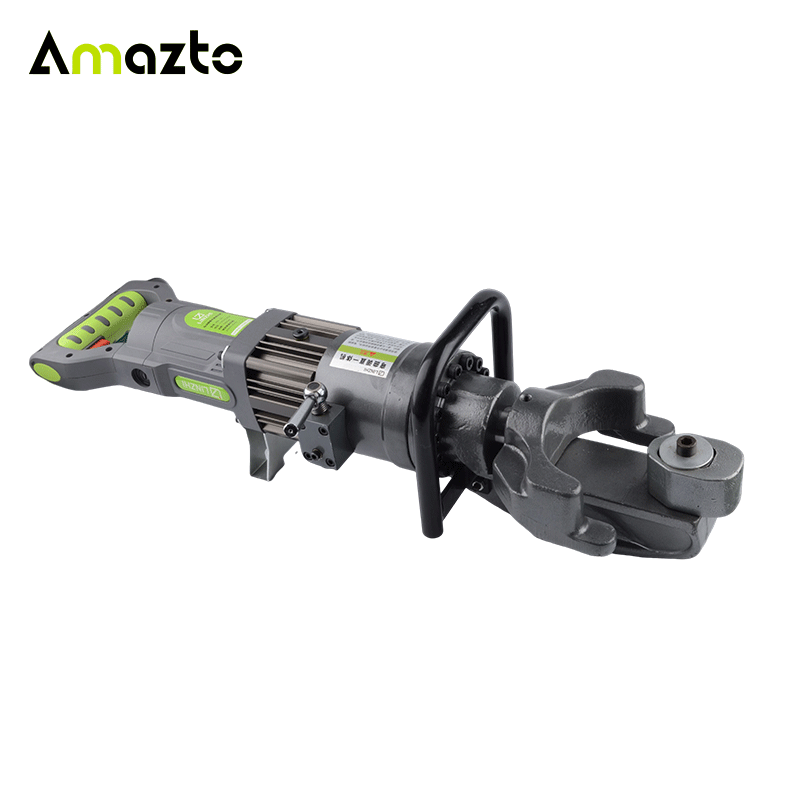
When selecting a Hydraulic Angle Steel Cutting Machine, buyers often review cutting capacity, hydraulic system stability, operating convenience, and long-term maintenance arrangements.
Manufacturers are also paying attention to how customers use equipment after delivery. Feedback from workshops can influence future improvements in machine structure and operation design.
The market for steel fabrication equipment continues to develop as manufacturers look for more efficient ways to manage metal processing tasks. Instead of replacing entire production systems, many companies are upgrading individual machines to improve specific operations.
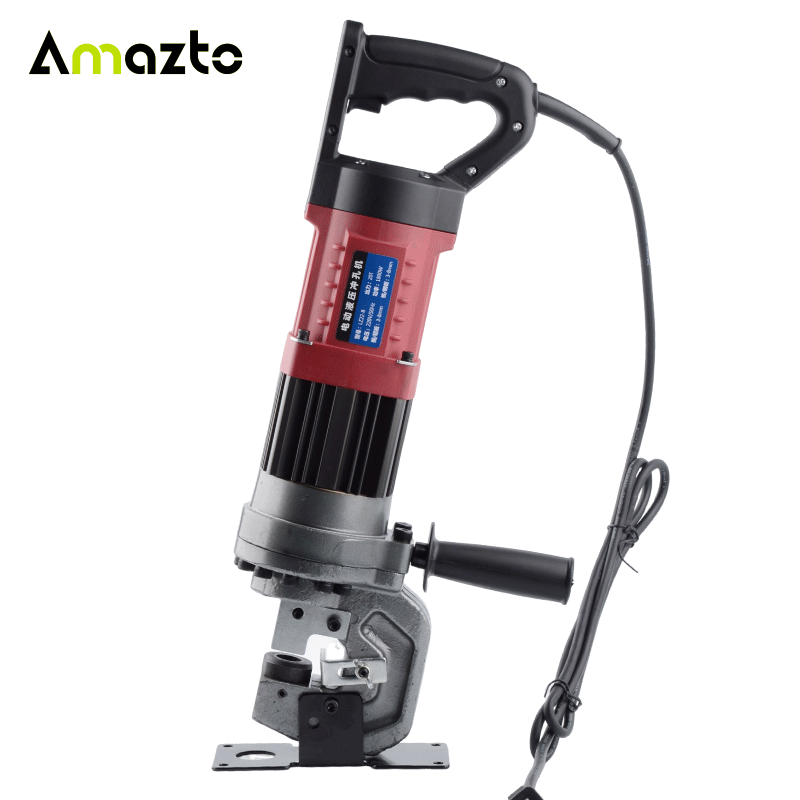
In metal fabrication, cutting accuracy can affect later processes such as welding, assembly, and installation. A small difference in processed materials may create additional adjustments during production.
Because of this, buyers often ask suppliers about machine performance before confirming cooperation. Technical discussions may include material specifications, production requirements, and expected working conditions.
For a Hydraulic Angle Steel Cutting Machine supplier, understanding the customer’s application is an important part of the sales process. A suitable recommendation depends on the workshop situation rather than only the machine category.
Factories producing hydraulic cutting equipment are also improving their inspection procedures. Before shipment, manufacturers usually check machine operation, hydraulic components, and overall assembly conditions.
International machinery orders involve more communication compared with standard industrial products. Overseas buyers may need technical documents, operation information, and production updates before receiving equipment.
A factory exporting a Hydraulic Angle Steel Cutting Machine needs to manage different customer expectations. Working conditions, power requirements, and production methods may vary between regions.
For distributors, supplier cooperation often continues after delivery. They may need assistance with installation guidance, spare parts communication, or future orders.
This has encouraged equipment manufacturers to improve not only production quality but also customer support systems.
The metal fabrication industry continues to adjust as companies seek more practical production solutions. Equipment suppliers are focusing on improving machine reliability, manufacturing control, and communication with buyers.
Companies producing Hydraulic Angle Steel Cutting Machine products are working with customers from different industries, including construction, manufacturing, and metal processing businesses.
As fabrication requirements become more specific, equipment selection is becoming a process involving technical discussion and production planning. Suppliers that understand real workshop conditions can build stronger cooperation with international buyers.
If you have any questions, please fill out the contact form at the bottom of the page and contact us.
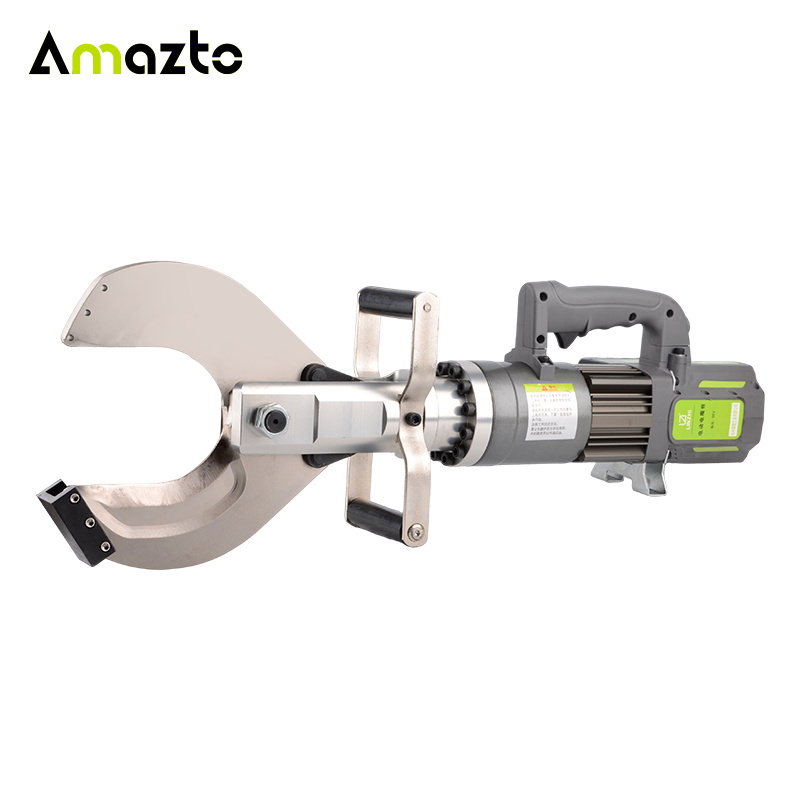
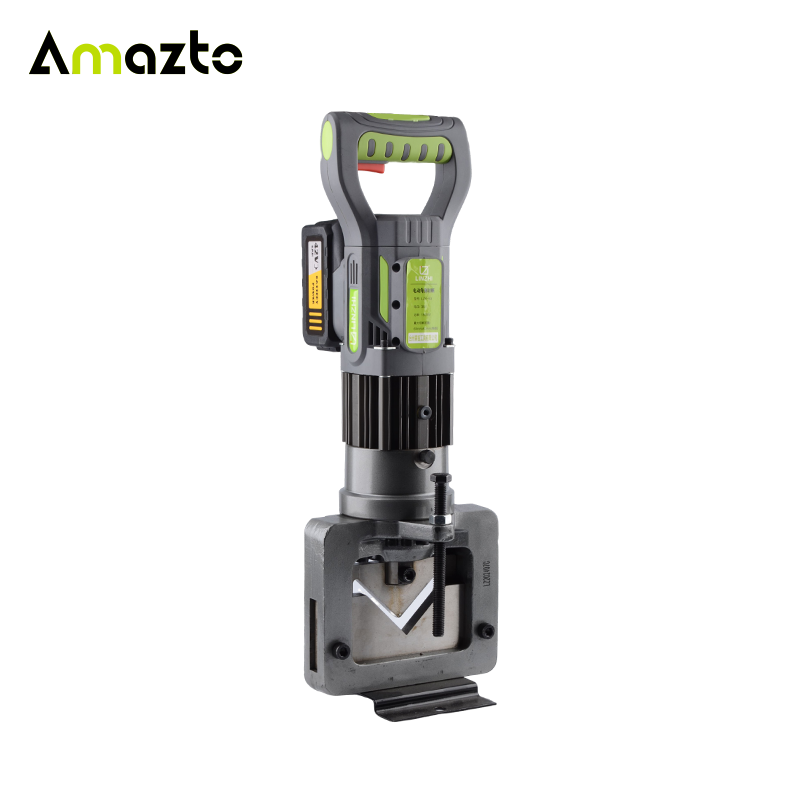
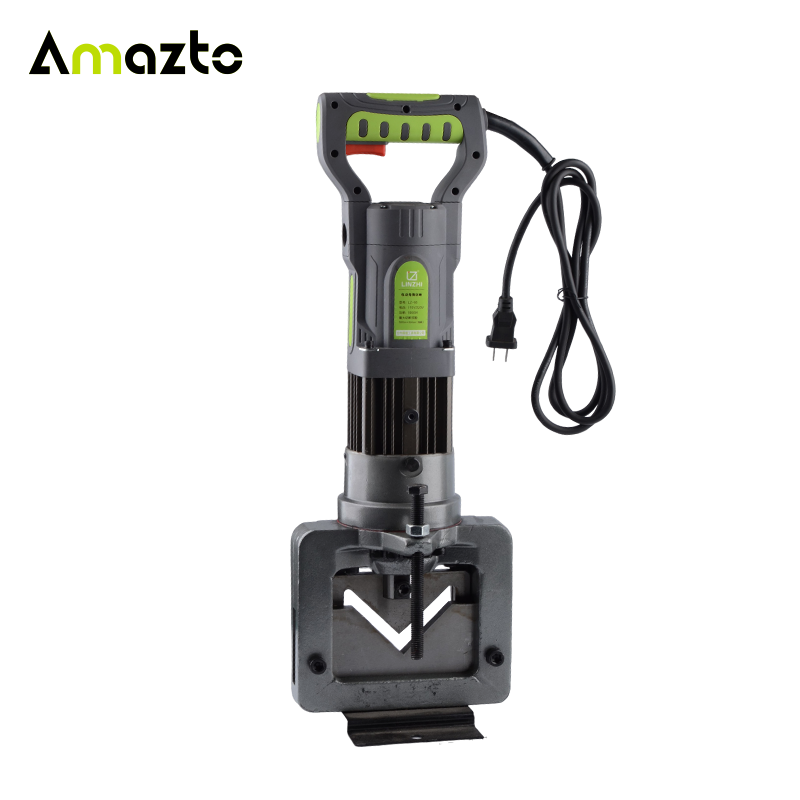
Provide high-quality products for domestic and international customers
China Hydraulic Tool Manufacturer

 Previous