 English
 中文简体
 русский
 GET A QUOTE
Industry News
A Hydraulic Angle Steel Cutting Machine cuts angle steel cold, and that single fact matters more on transmission towers, substations and galvanized frame work than it does in a workshop with a dedicated cutting bay. Angle steel is the standard section for lattice towers, communication masts, equipment frames and cable supports, and a large share of it is hot-dip galvanized. The way a length is cut decides what happens to the zinc coating, the air around the operator and the fire risk on site.
Galvanized Angle Steel Dominates Tower And Frame Work
The L-shaped section is easy to bolt, light for its strength and simple to stock in standard lengths, which is why electric power, communication and transport structures rely on it. Hot-dip galvanizing protects those structures from corrosion over decades, because the zinc layer shields the steel and corrodes in its place.
That protection is the reason a Hydraulic Angle Steel Cutting Machine is chosen for this work, and the reason cutting method matters. Every cut exposes bare steel at the edge, and any process that adds heat also damages the coating around the cut. Fabrication teams working on galvanized angle steel plan the cutting step with the coating in mind, because repairs after the fact take time and material.
Heat-Based Cutting Burns The Coating

Abrasive cut-off wheels throw sparks and heat the edge they touch, and flame cutting is hotter still. Zinc boils at about 907 degrees C, so heat near a cut turns part of the coating into fume. Breathing zinc fume can cause metal fume fever, a flu-like illness, and that risk is the reason ventilation and respirators are part of work on galvanized steel.
Sparks create a second problem. Substations, petrochemical sites and plants with combustible dust often require hot work permits for anything that throws sparks, and a permit adds paperwork, a fire watch and waiting time. A Hydraulic Angle Steel Cutting Machine produces no sparks, which removes much of that overhead from the job.
Hydraulic Shearing Cuts Cold And Leaves A Clean Edge
A Hydraulic Angle Steel Cutting Machine uses a pump and cylinder to drive a blade through the leg of the angle. Hydraulic pressure multiplies force, so a compact unit delivers the shearing force that a hand tool could never supply. Because the steel is sheared and not melted, no heat-affected zone forms around the cut, no sparks leave the blade and no zinc is turned into fume.
The edge left by shearing is clean and square, with a thin shear zone and a small burr that is easy to dress. The exposed steel at the edge is commonly touched up with zinc-rich paint, which restores corrosion protection locally. A Hydraulic Angle Steel Cutting Machine therefore turns a cutting task that used to need ventilation, a permit and coating repair into one that needs a light touch-up.
Compact Units Move To The Work
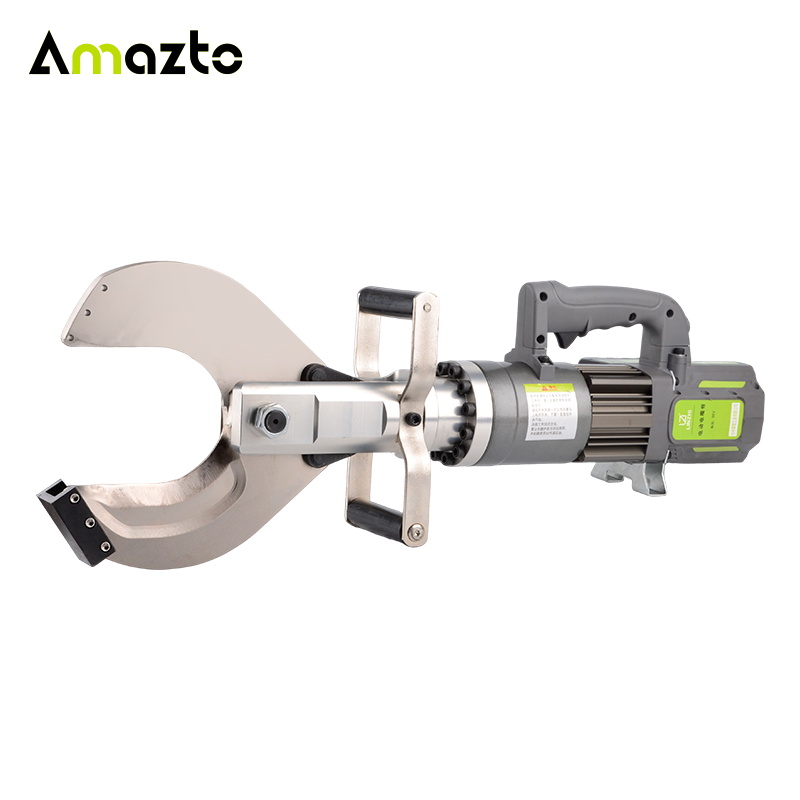
Tower erection and substation work happen where there is no workshop. Material arrives in bundles, and the cutting machine has to travel to the steel, not the reverse. A Hydraulic Angle Steel Cutting Machine of this class is compact enough to be carried and set up beside the bundle, which keeps cut pieces close to where they are installed.
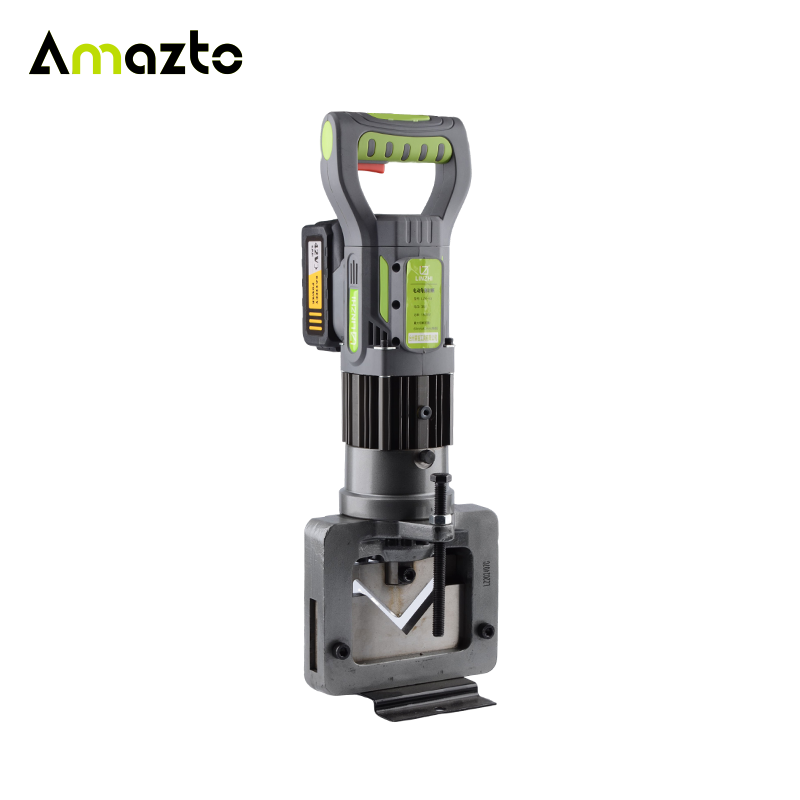
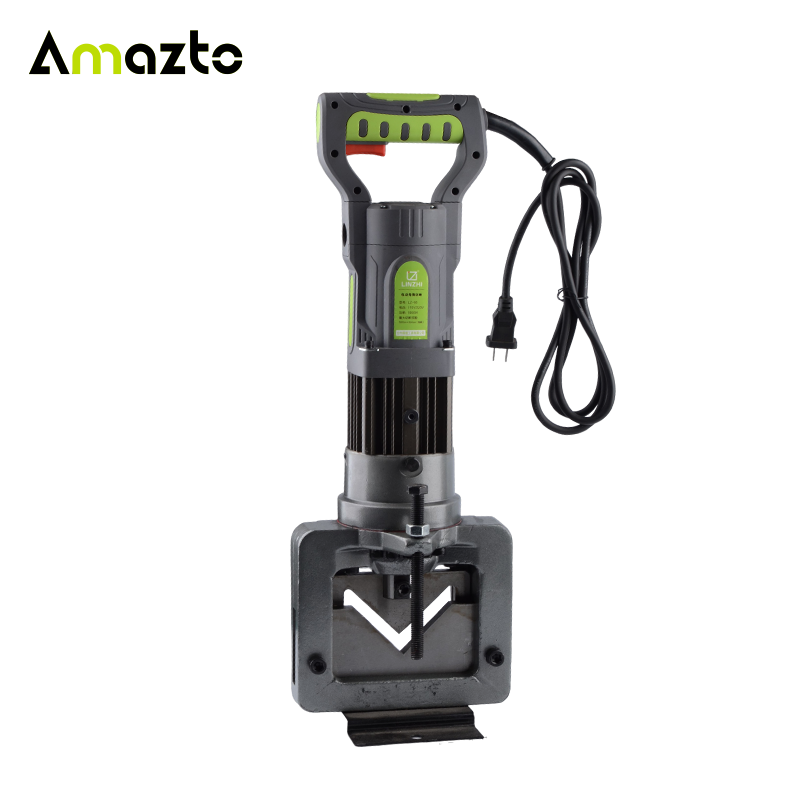
Taizhou Linzhi Tool Co., Ltd., in Yuhuan, Zhejiang, makes Hydraulic Tool products and an Angle Steel Machining Tool range for electric power, communication, transportation, mining, metallurgy and petrochemical work. Its LZ-60 Electric Controlled Angle Steel Cutting Machine runs on 220V/50Hz at 1500W, cuts angle steel up to 6.3# and weighs 18 kg, with a sealed head and an ergonomic handle, and it works in handheld or stationary mode. A Hydraulic Angle Steel Cutting Machine with that range of use fits the cut-to-length work done at both the workshop bench and the tower base.
Cut Edges Are Finished At The Joint
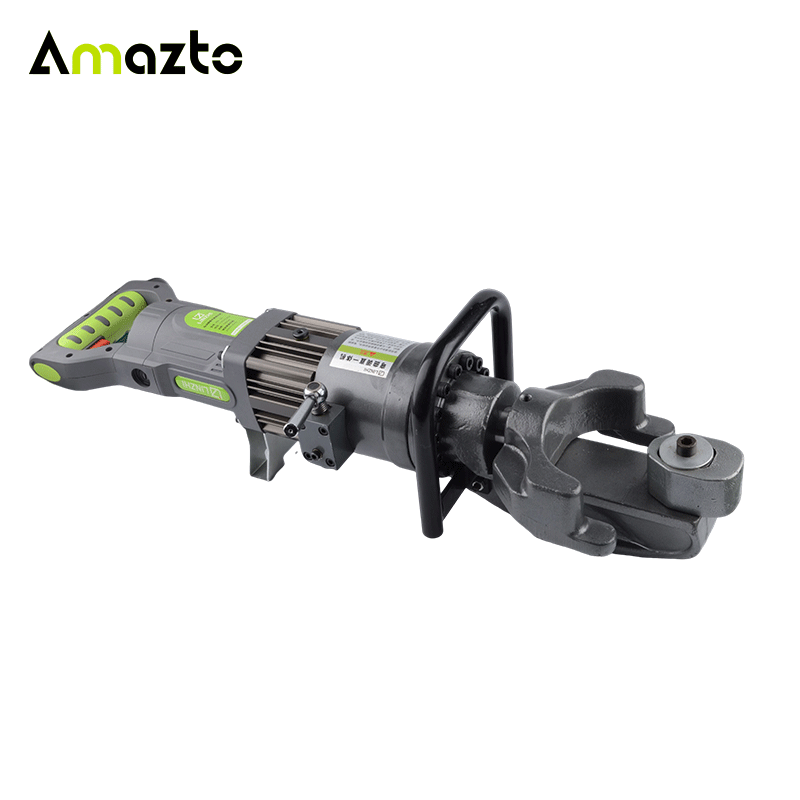
Cutting is only one step in an angle steel joint. Holes are punched for bolts, and chamfers are added so pieces sit flat and bolt heads seat properly. Linzhi's Angle Steel Machining Tool range includes punching, chamfering and bending machines alongside cutting, so a single supplier covers each step on the same section.
Because shearing leaves no hardened, heat-affected edge, the cut piece moves straight to punching without grinding the edge back. Holes and chamfers follow, and the finished piece goes to the structure with its coating intact everywhere except the cut face. That sequence is why a Hydraulic Angle Steel Cutting Machine is a regular choice for galvanized steel, and why the Hydraulic Tool kit on a tower crew's truck is chosen to avoid heat.