 English
 中文简体
 русский
 GET A QUOTE
Industry News
A workshop that builds gates, railings, and shelving brackets cuts the same flat iron section hundreds of times before lunch. The twenty cuts are easy with nearly any tool; the difference appears around the two-hundredth, when edges, sparks and arm fatigue decide the pace. That is the situation where an Electric Flat Iron Cutting Machine earns its bench space.
Repeated Cuts Define Flat Iron Work
Flat iron strip becomes frames, stays, clamps, and brackets once it is cut to length. Fabrication shops cut the same length in batches, so the cut has to repeat: same angle, same edge, same time. The listed working size for the LZ-100 is 6 × 100 mm flat iron, a size class used in light structural work and decorative metalwork. In that kind of job, the cost of a slow or uneven cut is multiplied by the batch count, and a steady pace per piece matters more than a fast cut.
Handheld or Bench-Mounted Operation
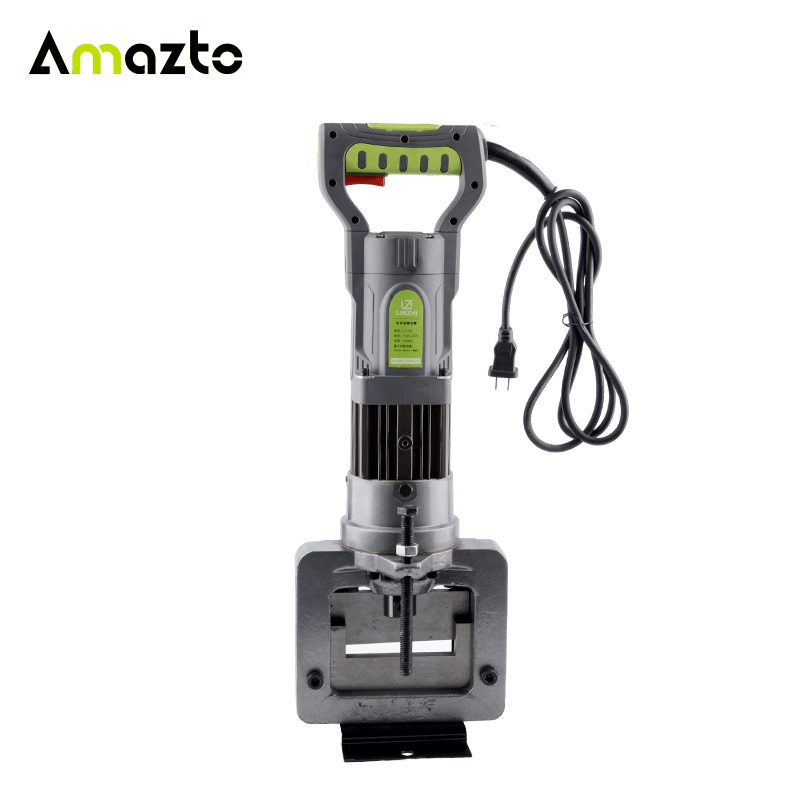
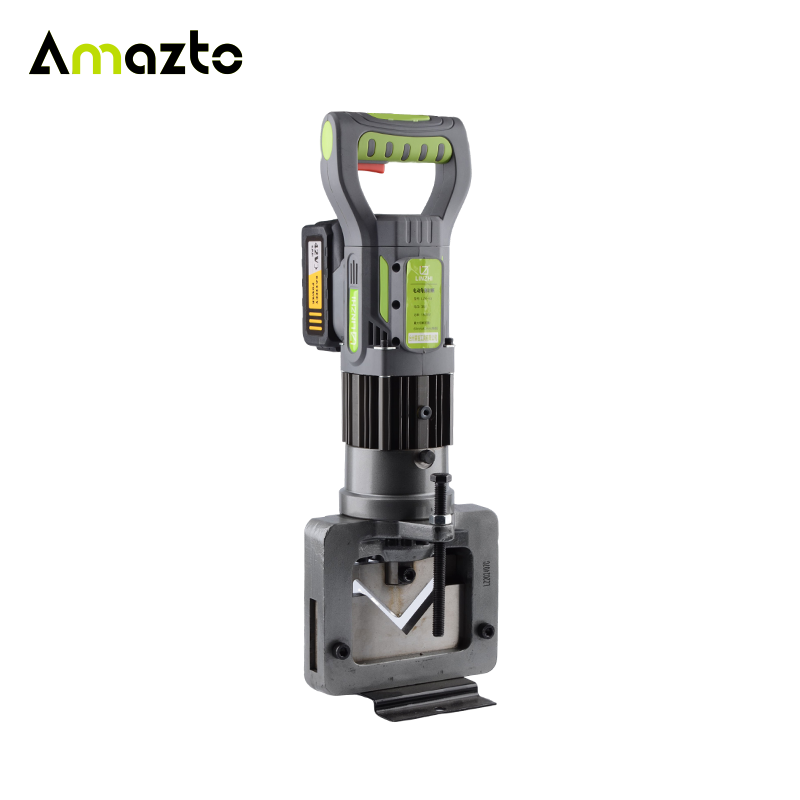
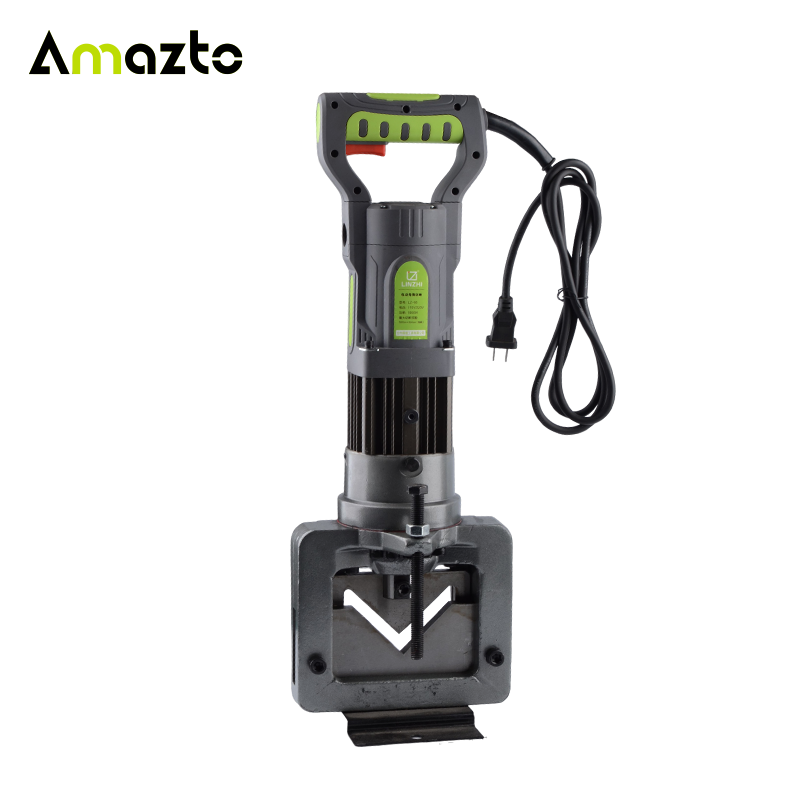
The machine offers two working modes: carried to the work, or placed flat on a bench or the ground. Bench mode suits shops that cut batches, since the material can be positioned consistently and the operator can focus on alignment. Handheld mode helps on installation sites where a bracket needs a last-minute trim. With a body in the 20 kg class, crews may treat it mainly as a bench tool and carry it only when needed. An Electric Flat Iron Cutting Machine with two modes lets one unit serve both jobs.
Cutting Edges and Finishing Requirements
A cut-off wheel throws sparks and leaves a hot, rough edge that often needs dressing before welding or painting. The LZ-100 is listed with a heat-treated, high-hardness cutting head. The cutting method and actual edge quality should be checked against the intended material and application rather than assumed from the head specification alone. For shops that powder-coat or galvanise parts, fewer finishing passes can improve the workflow between cutting and coating. An Electric Flat Iron Cutting Machine should also be assessed for spark direction, guarding and safe placement, particularly where other materials or equipment share the workshop floor.
Voltage and Power for Workshop Use
The listed input is 220 V at 50 Hz, with 110 V available on request, and the no-load power is 1800 W. Those figures matter in workshops with limited electrical capacity, or on sites running from generators, where a tool's starting current and operating load can affect circuit selection. Checking the supply, cable length, and plug type before the tool arrives helps avoid installation delays. An Electric Flat Iron Cutting Machine configured for the local voltage is easier to integrate into the workshop's existing power setup.
Construction Details for Regular Use
Listed construction details include a pure copper motor, a cutting head reinforced with evenly placed ring nuts, and switches tested for tens of thousands of cycles. These components are relevant in a workshop where cutting takes place throughout the day. On an Electric Flat Iron Cutting Machine used for full shifts, the switch may be operated thousands of times a week, while the cutting head experiences repeated loads. Shop managers can record cuts per shift and monitor wear to plan maintenance before a breakdown. A plastic carrying case also helps keep the tool and its accessories together between jobs.
Shops that cut the same strip repeatedly and pay attention to the finishing work are the ones likely to benefit from a dedicated cutting tool. For them, an Electric Flat Iron Cutting Machine can make repetitive cutting a more consistent part of the production process.