 English
 中文简体
中文简体 русский
 GET A QUOTE
Industry News
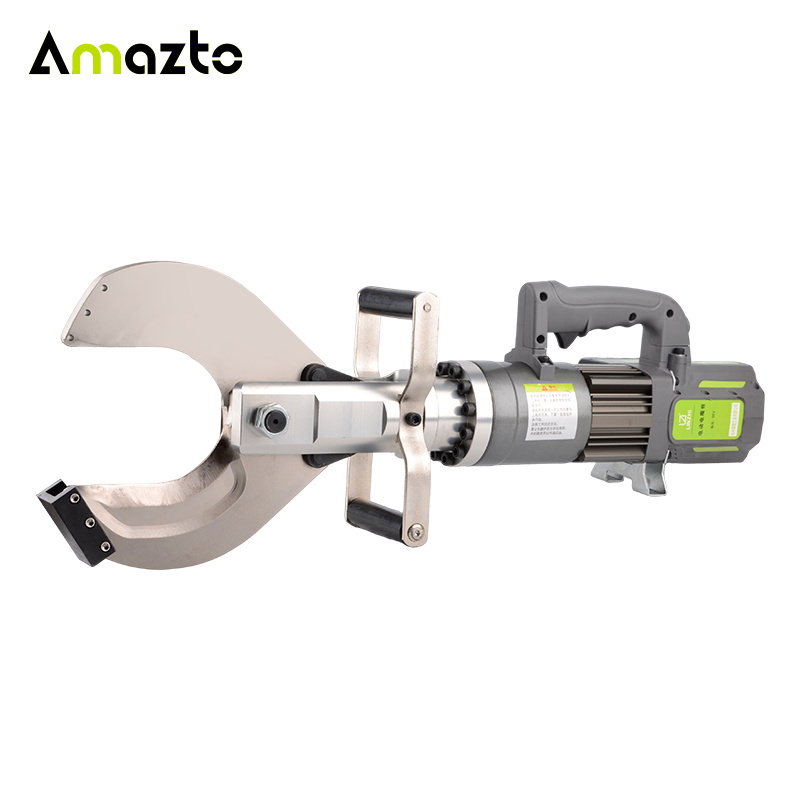
Hydraulic cable cutter is a powerful tool designed to cut through thick electrical cables, steel wire ropes, and copper or aluminum conductors with ease. Unlike manual cable cutters that require significant hand strength and multiple squeezes, a hydraulic cable cutter uses fluid pressure to multiply force, allowing one person to cut cables that would otherwise require a powered saw or torch.
The operating principle of a hydraulic cable cutter is simple but effective. The user pumps a handle or activates a foot pedal, which pushes hydraulic fluid into a cylinder. The fluid pressure drives a piston forward, which moves a cutting blade against a fixed anvil. The blade closes with tremendous force, shearing through the cable in a single motion. Some models use a manual pump built into the tool, while others connect to a separate hydraulic pump unit.
The cutting capacity of a hydraulic cable cutter varies by model. Smaller hand-held units can cut copper or aluminum cables up to about one inch in diameter. Larger two-handed or remote-operated models cut steel wire ropes up to two inches thick or more. Some hydraulic cable cutters are rated for specific materials, such as copper, aluminum, steel, or ACSR (aluminum conductor steel reinforced). Using the correct cutter for the material ensures clean cuts and extends blade life.
One major advantage of a hydraulic cable cutter is the quality of the cut. Manual cutters often leave burrs, flattened ends, or frayed strands that must be cleaned up before connectors can be installed. A hydraulic cable cutter produces a clean, square cut with small deformation. This clean cut saves time during electrical termination, as the cable end is ready for a lug or connector without additional preparation.
The force multiplication of a hydraulic cable cutter means less physical effort for the operator. Cutting a thick copper cable with a manual ratchet cutter requires strong hands and repeated squeezing. The same cable with a hydraulic cutter takes a few easy pumps of the handle. This reduced effort matters for workers who cut many cables in a day, as hand fatigue is lower and productivity is higher.
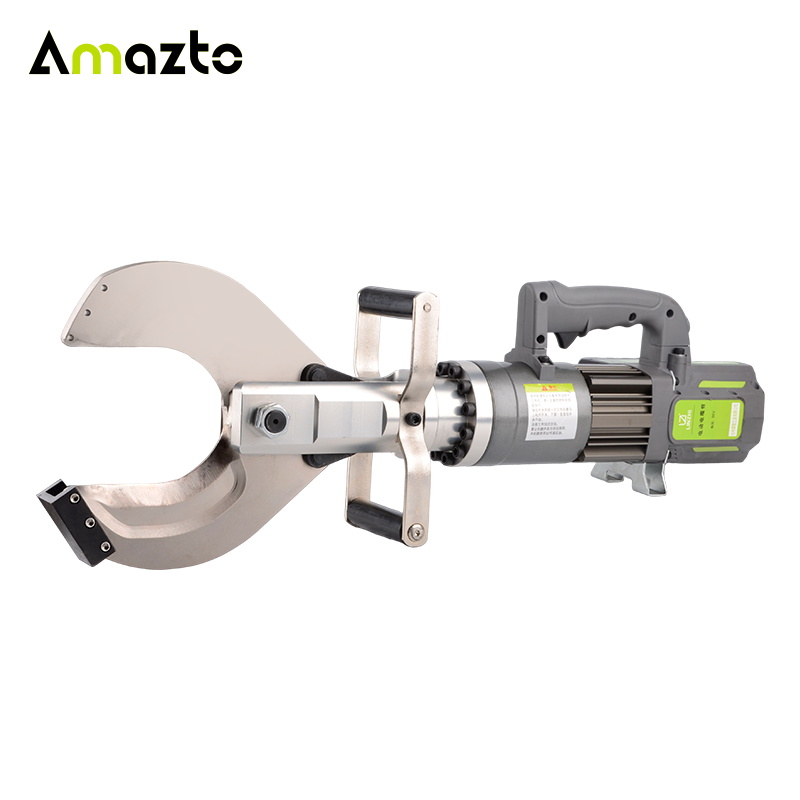
Portable hydraulic cable cutters have become popular for field work. Battery-powered models combine a hydraulic pump and cutter in a single hand-held unit. A rechargeable lithium battery drives a small electric motor that powers the hydraulic pump. The operator presses a button, and the cutter closes automatically. These cordless tools are light enough to carry up a ladder or use in a bucket truck, making them suitable for utility linemen and telecom installers.
Safety features on hydraulic cable cutters protect both the operator and the tool. A pressure relief valve prevents overloading if the cable is too thick for the cutter. Many models include a two-stage pump that advances the blade quickly to contact the cable, then switches to a slower, high-force mode for the cut. A bypass valve returns the blade to the open position after the cut is complete. Rubber grips and non-conductive housings on some models provide electrical insulation for work near live circuits.
For electricians, linemen, and industrial maintenance workers who cut cable regularly, the hydraulic cable cutter delivers clean cuts with less effort and less time. It handles thick copper, aluminum, and steel wire ropes that would exhaust a manual cutter. Whether powered by hand pump, electric motor, or external hydraulic unit, a hydraulic cable cutter makes quick work of tough cutting jobs.
 Previous