 English
 中文简体
中文简体 русский
 GET A QUOTE
Industry News
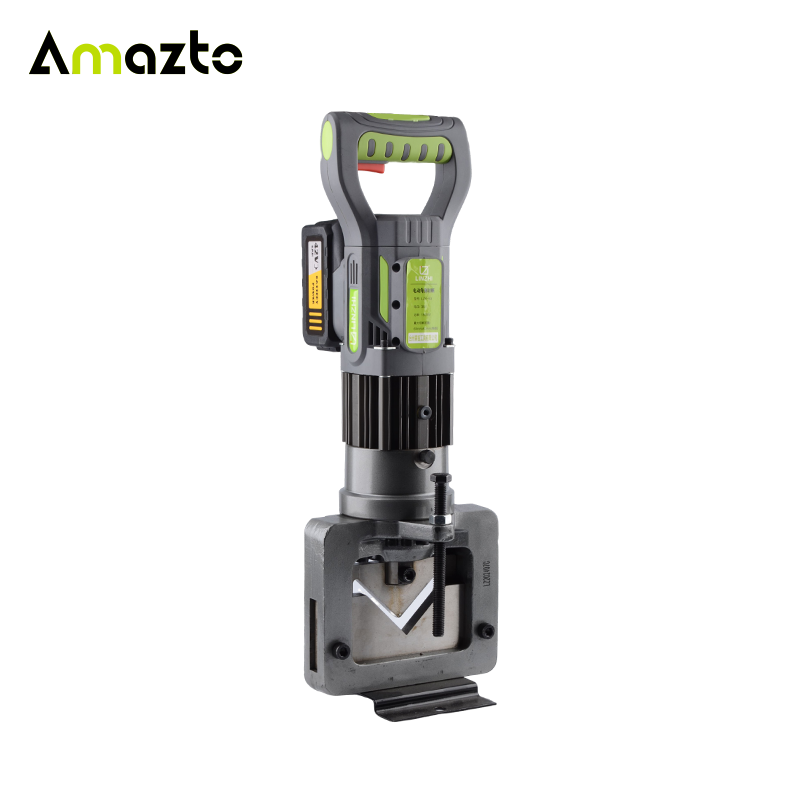
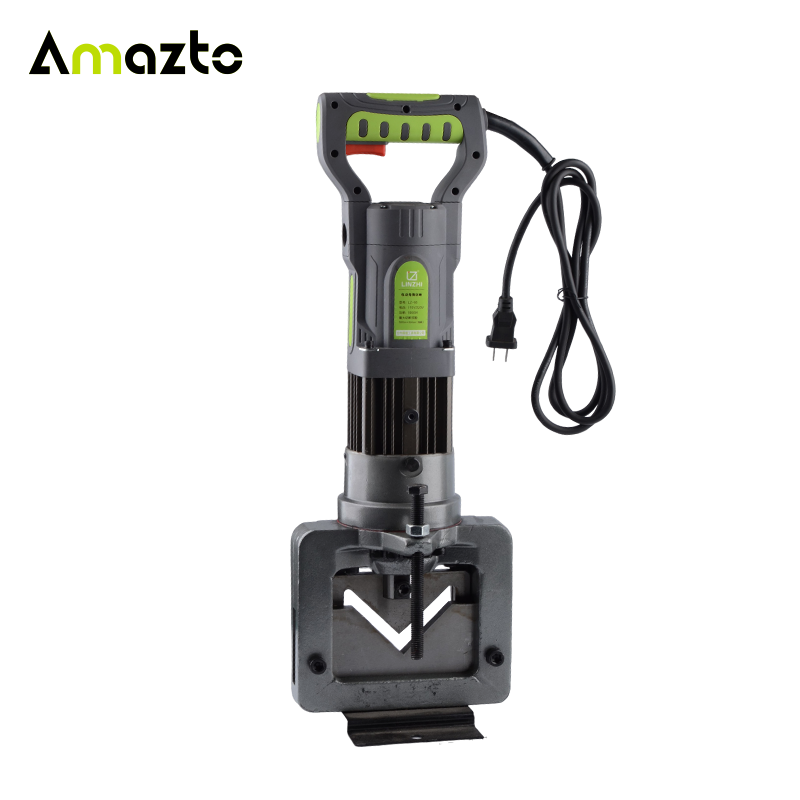
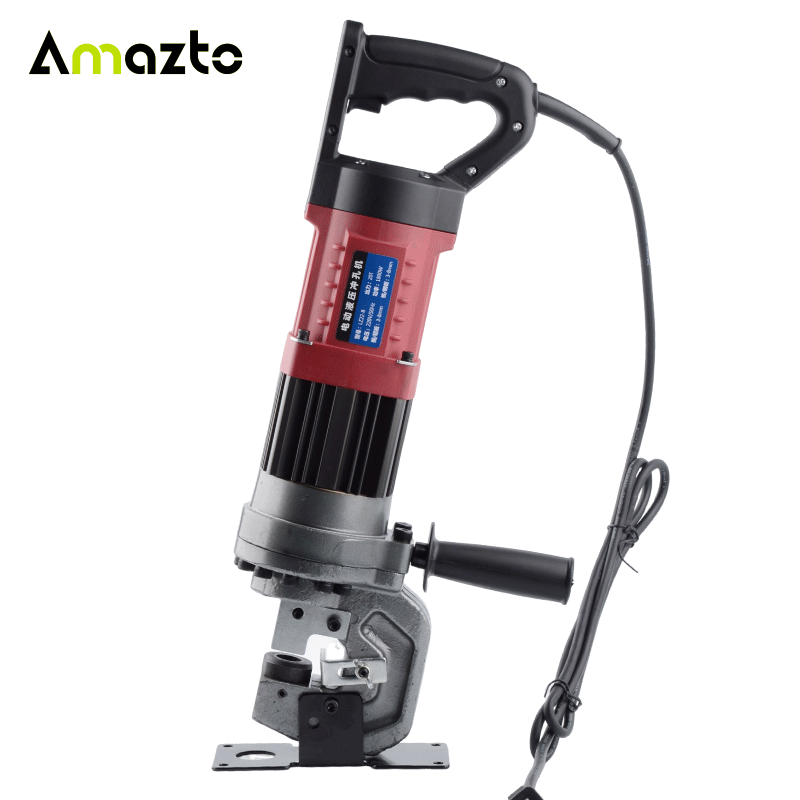
The punching machine remains an essential piece of equipment in metal fabrication and manufacturing facilities, where it performs hole-making operations across a range of material thicknesses and types. A punching machine uses a punch and die mechanism to create holes or shapes in sheet metal, plate, or other materials through a shearing process that delivers consistent results for high-volume production runs. The punching machine has evolved significantly from manual units to computer-controlled systems that offer improved accuracy and reduced setup times for operators.
Modern punching machine configurations include both single-station units and turret-style systems that hold multiple tools for different hole sizes and shapes. A turret punching machine allows operators to complete complex part geometries without manually changing tools between operations, reducing production time and handling requirements. The punching machine's ability to perform not only hole punching but also forming operations such as louvering, embossing, and tapping has expanded its utility across diverse manufacturing applications. Sheet metal fabricators frequently rely on the punching machine for producing enclosures, brackets, chassis components, and architectural metalwork.
The integration of CNC technology has transformed punching machine operations over recent decades. A CNC punching machine receives programmed instructions that guide tool selection, positioning, and sequencing, enabling unattended operation during production runs. The punching machine equipped with modern controls can process parts from flat sheet stock with small scrap generation, as nesting software optimizes material utilization. Manufacturers operating punching machine equipment report consistent part quality and predictable cycle times that support production planning.
Servo-electric drive systems have become more common in punching machine designs, offering advantages over traditional hydraulic configurations. A servo-driven punching machine consumes less energy during idle periods and provides controlled ram speed for different material types. The reduced noise output of servo-electric punching machine operation has made these units suitable for installation in environments where sound levels are a consideration. Maintenance requirements for servo-electric punching machine systems are generally lower than for hydraulic equivalents, as there are no fluids to monitor or replace periodically.
Tooling technology for the punching machine has also seen steady improvement, with coated punches and dies extending service life between sharpening intervals. A punching machine using high-quality tooling maintains hole quality across extended production runs, reducing the need for deburring or secondary finishing operations. Quick-change tooling systems allow punching machine operators to switch between jobs with small downtime, supporting the needs of job shops that process many different part types.
The punching machine continues to face competition from laser cutting and waterjet systems for certain applications. However, the punching machine retains advantages for high-volume production of standard hole patterns, where its cycle times are shorter than thermal cutting methods. For operations requiring formed features such as countersinks or embossed ribs, the punching machine offers capabilities that laser cutting cannot replicate. Many fabrication shops maintain both punching machine and laser cutting equipment, selecting the appropriate process based on part requirements and production volume.
Automation integration has extended the capabilities of punching machine systems through parts handling and sorting equipment. A punching machine with an automated sheet loader and unloader can operate continuously with small operator intervention, improving labor efficiency. Finished parts can be sorted from scrap skeletons using conveyor systems integrated with the punching machine's control software. These automated configurations make the punching machine suitable for lights-out manufacturing operations where production continues during off-hours.
The punching machine remains a practical choice for fabrication shops seeking reliable hole-making capability with predictable operating costs. As manufacturing continues to emphasize efficiency and material conservation, the punching machine's ability to produce net-shape parts with small waste supports sustainability goals. The punching machine will likely continue serving the metal fabrication industry as a proven solution for hole-punching and forming operations across various production scales.
 Previous