 English
 中文简体
中文简体 русский
 GET A QUOTE
Industry News
People outside the hydraulic industry often think a hydraulic swage crimping tool is only used for pressing cable terminals. In reality, the working principle behind hydraulic crimping overlaps with many industrial punching and forming applications.
That is why manufacturers producing punching machines, busbar processing equipment, hydraulic pumps, and angle steel tools are usually familiar with crimping systems as well. The pressure control logic is similar even when the final application is different.
In factories handling electrical installation, steel structure work, or power construction, hydraulic force is preferred for one simple reason: stable pressure output creates more consistent forming results than manual mechanical force.
Pressure Stability Matters More Than Force
A common misunderstanding is that higher tonnage automatically means better performance.
In actual use, a hydraulic swage crimping tool depends more on pressure stability than raw force numbers. If hydraulic pressure fluctuates during operation, the finished crimp may look acceptable outside while internal compression remains uneven.
This becomes important in cable work because poor compression increases resistance at the connection point. Under high current conditions, heat buildup appears much faster around unstable crimp areas.
That is also why professional hydraulic systems usually pay attention to:
pressure holding stability
- cylinder return consistency
- die accuracy
- oil sealing performance
- piston alignment
The same engineering logic can also be seen in hydraulic punching machines used for busbar processing and metal plate work.
A punching machine with unstable hydraulic output often produces burrs, uneven edges, or slight die offset after long-term operation.
Why Hydraulic Systems Replaced Manual Crimping
Years ago, manual crimping tools were still common in field construction. The problem was operator consistency.
Different workers apply different force levels, especially during repetitive work. A hydraulic swage crimping tool reduces that variation because the hydraulic system controls pressure more uniformly.
In electrical engineering projects, this directly affects installation reliability.
The same trend happened in punching equipment. Modern hydraulic punching machines replaced many older mechanical punching methods because hydraulic movement creates smoother force transmission, especially when working with thicker steel or copper materials.
Factories producing hydraulic punching machines usually understand this difference very clearly. The challenge is not simply making force bigger. The challenge is controlling force precisely.
Die Accuracy Often Gets Ignored
When buyers compare a hydraulic swage crimping tool, they usually focus on tonnage or motor power first.
Inside factories, technicians often care more about the dies.
Poor die machining creates uneven compression surfaces. Even if hydraulic pressure is strong enough, inaccurate dies still affect the final crimp shape.
This issue becomes more obvious after long-term use because lower-grade dies wear faster under repeated high-pressure operation.
A similar problem exists in punching machines. Once punching dies lose dimensional accuracy, hole quality immediately changes.
That is why many hydraulic equipment manufacturers pay close attention to heat treatment and die material selection instead of focusing only on appearance specifications.
Hydraulic Oil Quality Changes Tool Performance
Another point many new buyers overlook is hydraulic oil condition.
A hydraulic swage crimping tool relies completely on hydraulic fluid transmission. If oil contamination appears inside the system, pressure response becomes slower and internal seals wear faster.
In industrial environments with dust or metal debris, this problem is very common.
Professional operators usually check:
- oil cleanliness
- seal aging
- hose leakage
- pressure response speed
- cylinder return speed
These details affect long-term reliability far more than external paint or housing design.
The same maintenance logic applies to punching machines and hydraulic bending equipment. Once hydraulic circulation becomes unstable, machine accuracy starts dropping gradually.
Why Portable Hydraulic Tools Became Popular
Portable hydraulic equipment has grown quickly in recent years, especially in power construction and communication engineering projects.
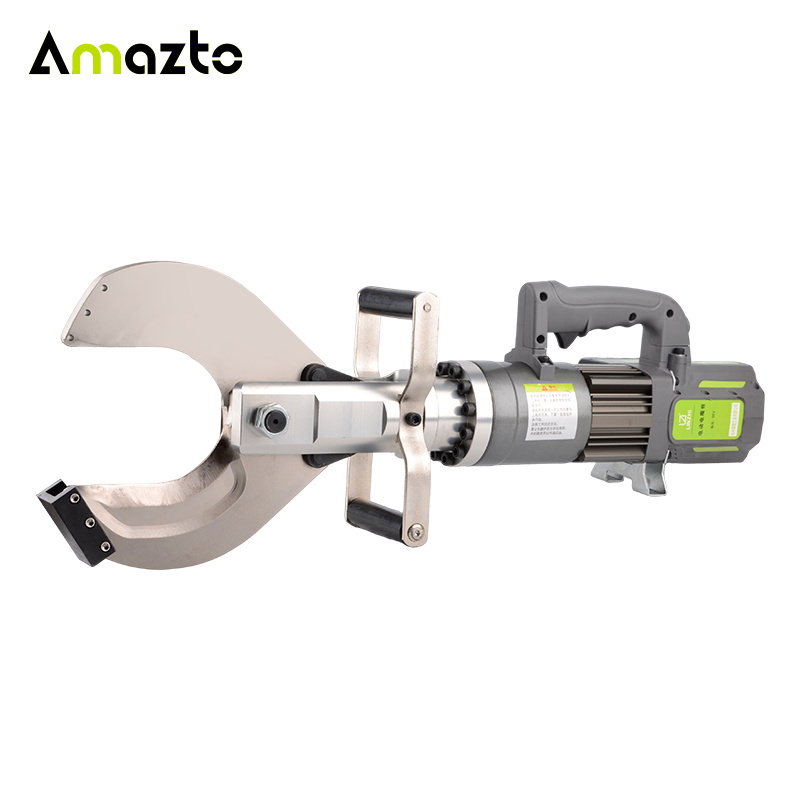
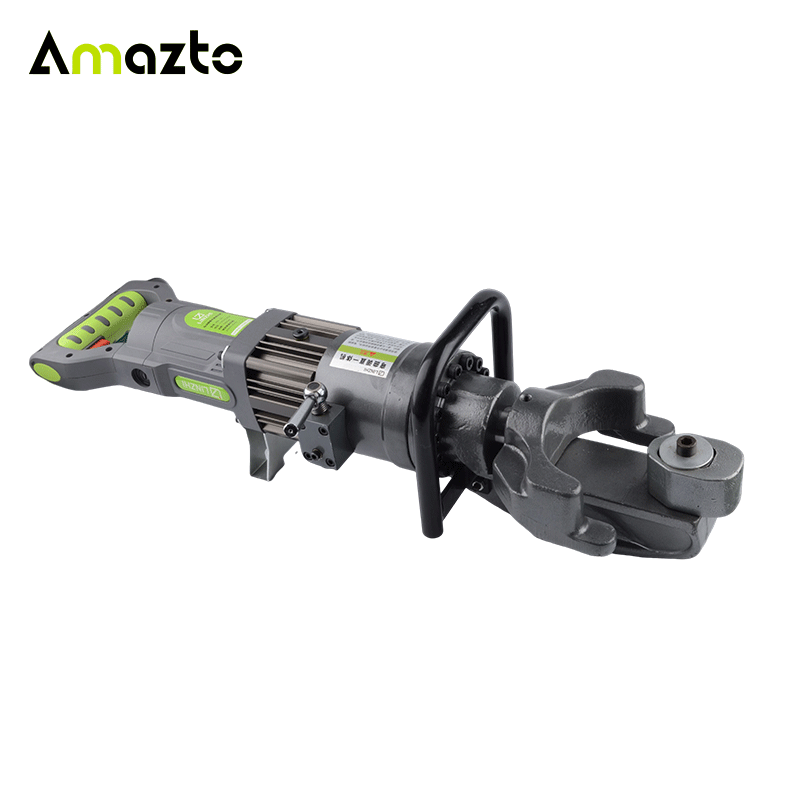
A hydraulic swage crimping tool can now be combined with battery systems, compact hydraulic pumps, or lightweight cylinders for field operation. Workers no longer need large stationary equipment for many applications.
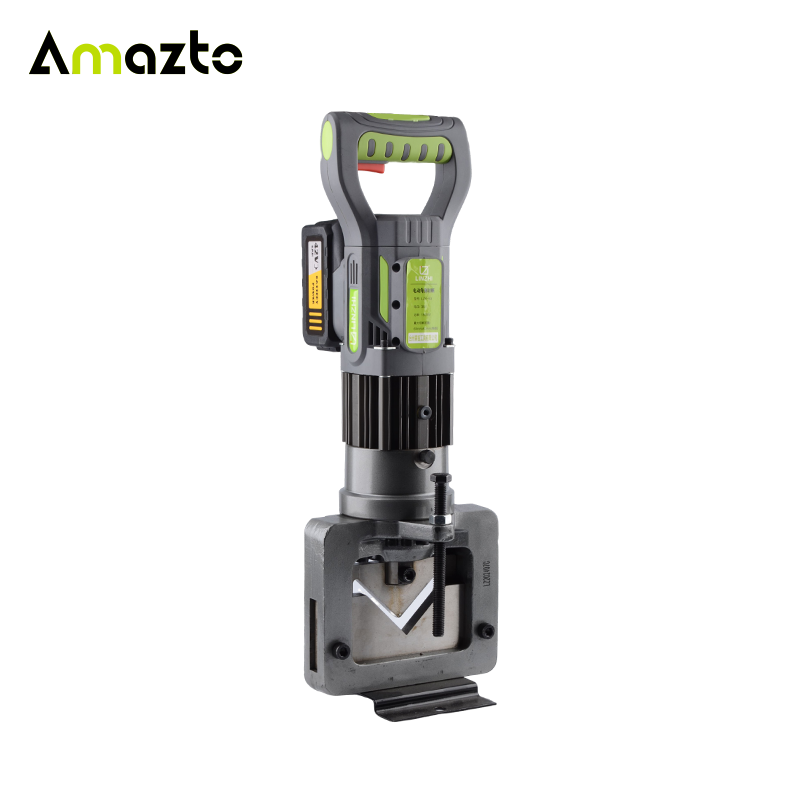
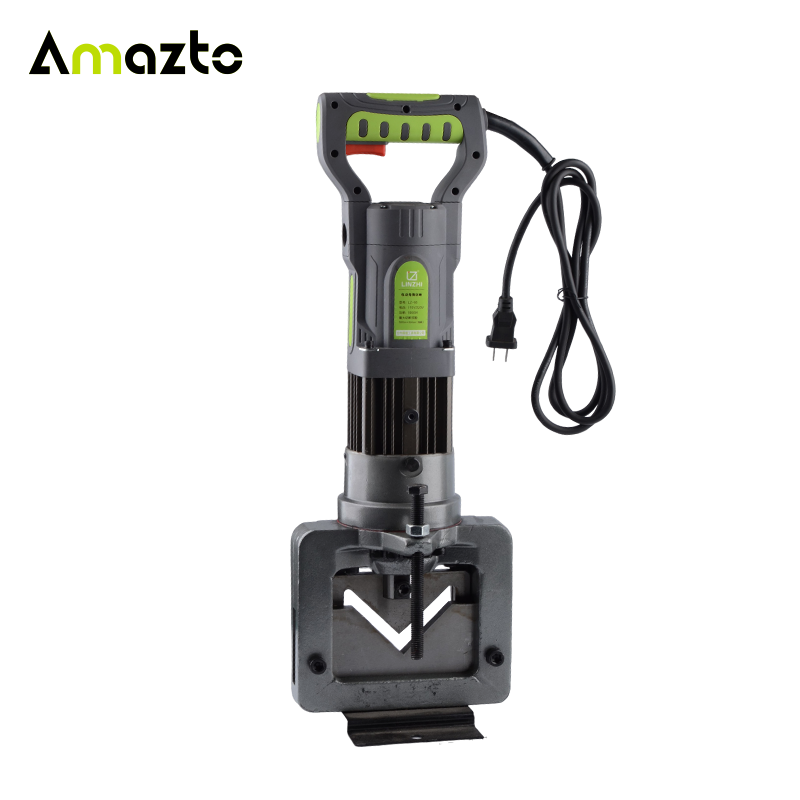
This portability trend is also visible in hydraulic punching machines. Compact portable punching tools are now widely used for angle steel work, busbar processing, and on-site cabinet installation.
The advantage is obvious in narrow working environments where traditional large machines are difficult to move.
However, smaller equipment also creates thermal management challenges because compact hydraulic systems heat up faster during continuous operation.
That is why high-frequency industrial work still depends heavily on larger hydraulic equipment with more stable cooling performance.
Good Hydraulic Equipment Usually Feels Predictable
Experienced operators often judge a hydraulic swage crimping tool very quickly after several uses.
Good hydraulic tools usually feel predictable during operation. Pressure response stays smooth, cylinder movement remains stable, and return action does not suddenly change speed.
The same feeling applies to hydraulic punching equipment.
When hydraulic systems are designed properly, operators can sense the consistency immediately. That consistency is often more valuable than simply advertising higher tonnage numbers on paper.
 Previous