 English
 中文简体
中文简体 русский
 GET A QUOTE
Industry News
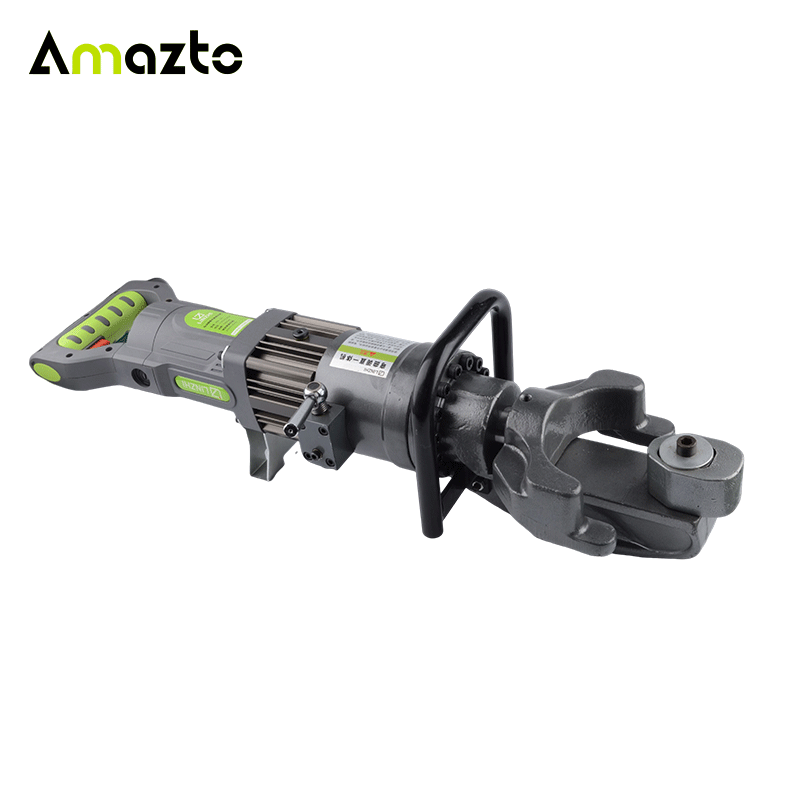
A significant transformation is taking place within the construction and steel fabrication sectors, driven by advancements in the rebar bending & straightening machine. As infrastructure projects grow in scale and complexity, the demand for precise and efficient reinforcement processing has never been higher. The rebar bending & straightening machine, a critical piece of equipment for preparing steel reinforcement bars, is now at the forefront of a technological shift that promises to reshape how contractors and steel service centers approach their work.
The evolution of this machinery is largely a response to the increasing pressure on the construction industry to deliver projects faster without compromising structural integrity. Traditional methods of straightening and bending rebar are labor-intensive and often prone to inconsistencies. Modern rebar bending & straightening machines have addressed these challenges through advanced automation. These units are now capable of processing coils of rebar directly, straightening the material to precise specifications and then executing complex bend sequences in a continuous, high-speed operation.
For businesses operating in the wholesale and distribution sectors, the acquisition of a rebar bending & straightening machine represents a strategic investment in operational capacity. The latest models are equipped with sophisticated control systems that allow operators to program intricate bend angles and lengths with consistency. A single rebar bending & straightening machine can now handle a wide range of bar diameters, making it a versatile asset for projects ranging from residential foundations to large-scale commercial structures. The precision offered by these machines ensures that each bent piece meets the exact specifications required, reducing the risk of on-site adjustments and delays.
The economic benefits of modern rebar bending & straightening equipment extend beyond mere speed. Energy efficiency has become a key consideration in equipment design. Manufacturers have focused on developing drive systems that deliver high torque for straightening and bending operations while consuming less power compared to older hydraulic models. This focus on efficiency translates to lower operating costs over the lifespan of the rebar bending & straightening machine. Additionally, the reduced mechanical complexity of newer systems often results in lower maintenance requirements, allowing fabrication shops to maintain higher uptime and consistent production schedules.
The versatility of current rebar bending & straightening equipment also appeals to a broad range of users. These machines are capable of producing not only standard stirrups and ties but also custom shapes required for specialized structural elements. The ability to quickly switch between different bar sizes and bend configurations allows a single rebar bending & straightening machine to serve multiple projects simultaneously, improving inventory management and reducing lead times for contractors.
The market for rebar bending & straightening machines is poised for further integration with digital workflows. As construction projects increasingly rely on building information modeling and precise material specifications, the ability to transfer design data directly to production equipment will become a standard expectation. The rebar bending & straightening machine of the near future will likely function as a seamless link between digital design and physical fabrication, delivering reinforcement components that meet exact engineering requirements with small manual intervention.
For stakeholders across the construction supply chain, understanding these developments is essential. The rebar bending & straightening machine has evolved from a basic shop tool into a sophisticated manufacturing asset that directly influences project efficiency, material utilization, and overall competitiveness. As infrastructure demands continue to grow, the role of this equipment in delivering high-quality reinforcement will only become more significant.
 Previous