 English
 中文简体
中文简体 русский
 GET A QUOTE
Industry News
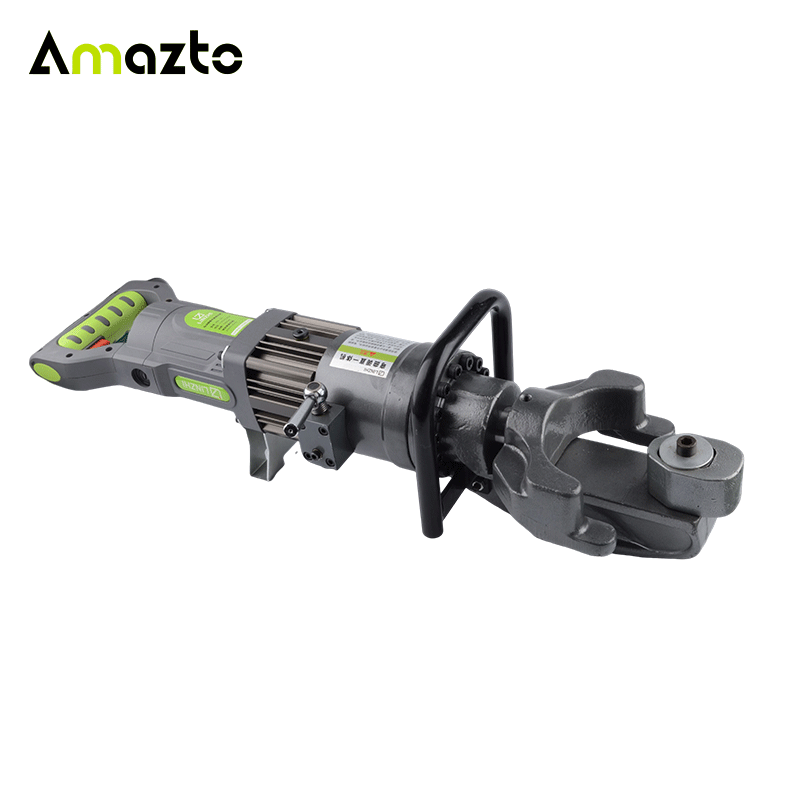
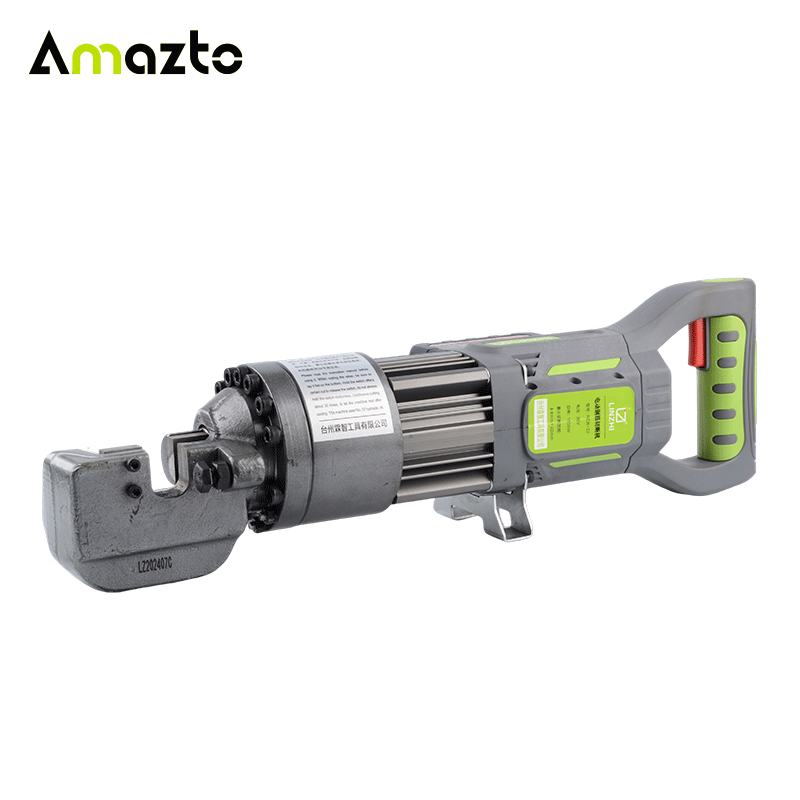
The global market for rebar cutting machines is experiencing a period of steady expansion, closely aligned with ongoing activity in the construction and infrastructure development sectors. These specialized tools, essential for the precise cutting and sizing of reinforcing steel bars, are fundamental to modern building projects. Industry observations indicate a consistent demand for rebar cutting machine technology, reflecting its critical role in ensuring structural integrity, project efficiency, and material optimization.
A significant factor influencing this trend is the continued technological evolution within the rebar cutting machine category. Modern units have progressed significantly from older, purely mechanical models. Today's standard rebar cutting machine often incorporates advanced digital controls and automation features, allowing for programmable cutting lengths, batch processing, and enhanced operational safety. This shift towards digital integration helps construction firms reduce manual labor requirements, minimize material waste through precise calculations, and improve overall worksite productivity. The reliability and accuracy provided by a contemporary rebar cutting machine are vital for adhering to stringent engineering specifications and project timelines.
Furthermore, global infrastructure initiatives and urbanization projects in various regions are fueling demand for construction materials and the equipment that processes them. The rebar cutting machine is a cornerstone in the preparation of reinforcement for concrete structures in buildings, bridges, and transportation networks. Its ability to deliver consistent, clean cuts directly impacts the speed and quality of the construction workflow. The versatility of a modern rebar cutting machine, often designed to handle different bar diameters and strengths, makes it a valuable asset for contractors managing diverse projects, from large-scale public works to private commercial developments.
The design and development of the rebar cutting machine are also adapting to broader industry priorities, including worksite safety and operator convenience. Newer models frequently feature improved guarding mechanisms, emergency stop systems, and reduced noise and vibration levels. These enhancements aim to create a safer working environment, which is a growing concern across the construction industry. Additionally, the move towards more portable and durable designs of the rebar cutting machine allows for greater flexibility, enabling its use in various on-site conditions, from fixed yard locations to temporary project setups.
The trajectory of the rebar cutting machine market appears connected to trends in construction methodology and smart technology integration. The potential for connecting a rebar cutting machine to project management software for real-time material tracking and inventory control is an area of interest. Such connectivity could further streamline the supply chain from the cutting yard to the construction point. The focus on building resilience and sustainability in infrastructure may also influence future requirements, potentially emphasizing the need for rebar cutting machines that can efficiently process recycled or new grades of reinforcing steel.
The rebar cutting machine remains an indispensable tool in the construction ecosystem. Its market growth is supported by enduring global infrastructure needs and the continuous improvement of the machine's own capabilities. As construction practices evolve, the role of the rebar cutting machine is expected to adapt, maintaining its position as a key piece of equipment that translates architectural and engineering plans into the reinforced frameworks of the built environment. The ongoing development of this machine reflects a commitment to meeting the practical demands of modern construction with increased precision and efficiency.
 Previous