 English
 中文简体
中文简体 русский
 GET A QUOTE
Industry News
Rebar cutting machines are essential equipment on construction sites and in rebar fabrication shops, enabling workers to cut reinforcing steel bars quickly and accurately to specified lengths. Without reliable rebar cutting machines, concrete construction would be much slower and less precise, as workers would need to cut each bar manually with hacksaws or torches.
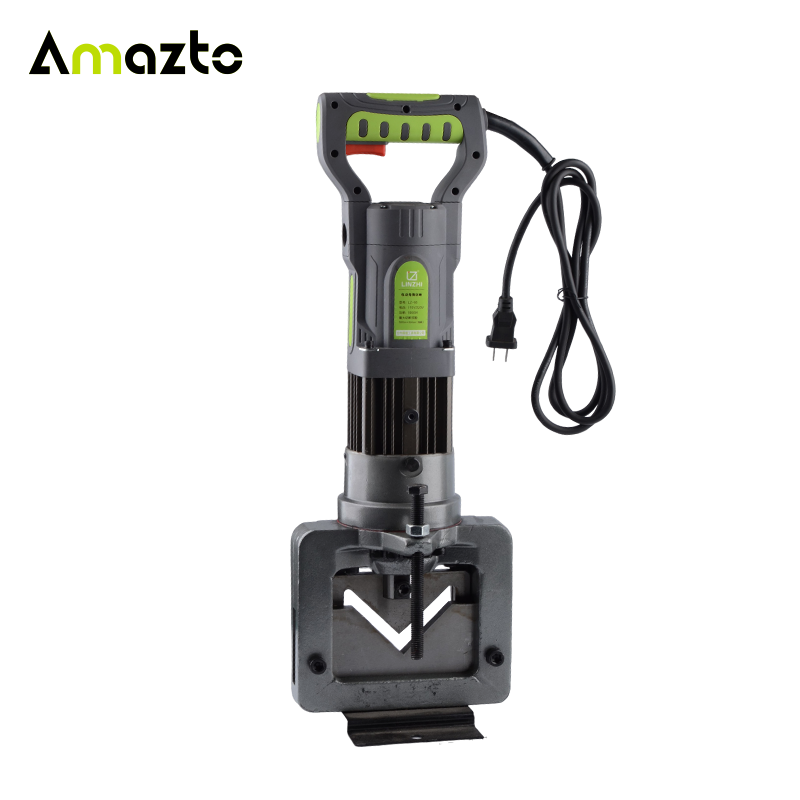
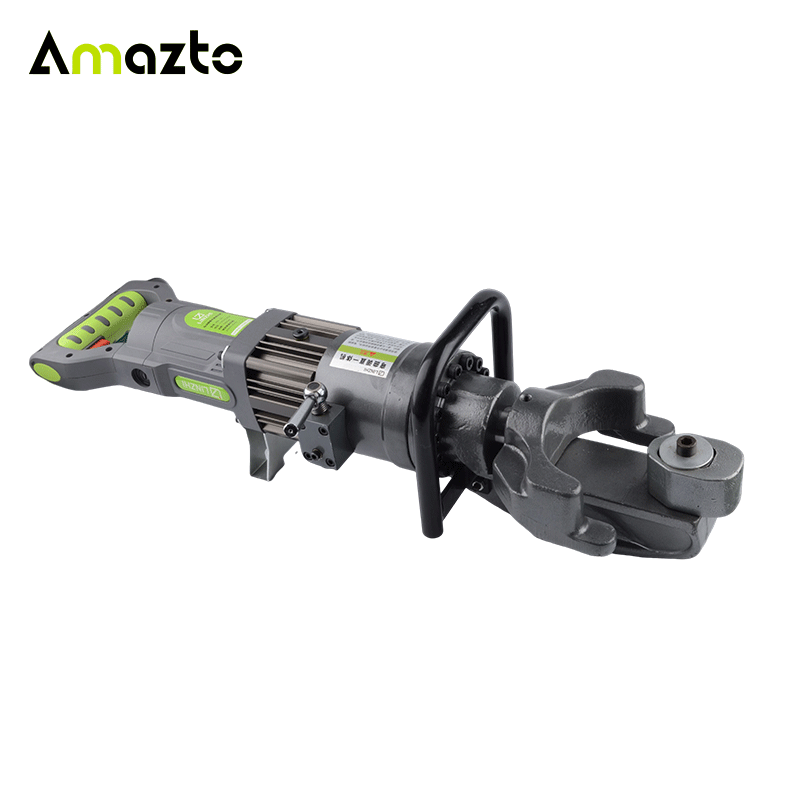
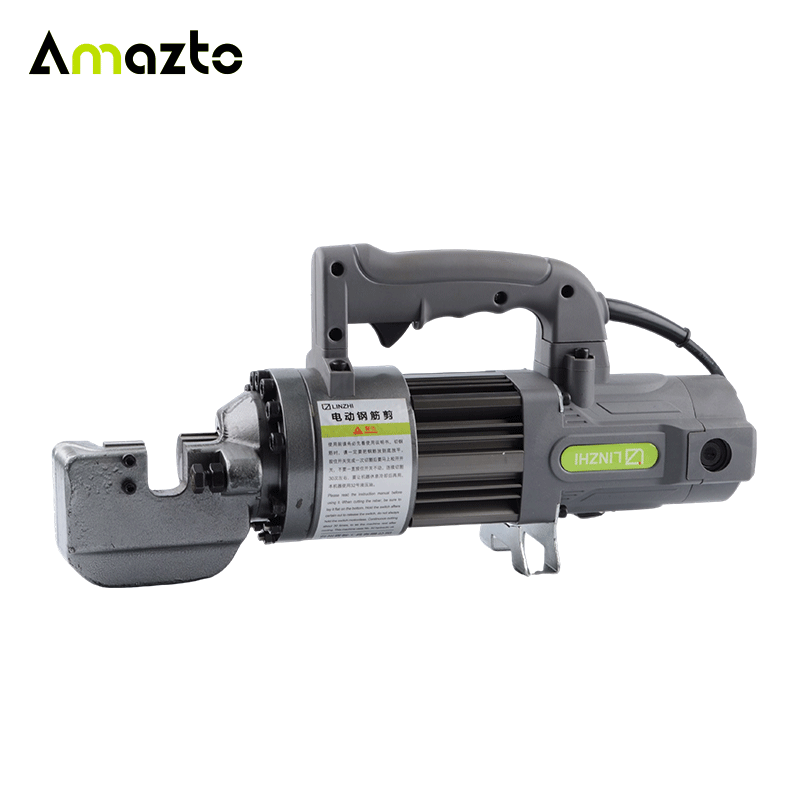
The many common type of rebar cutting machine is the electric rebar cutter. These machines use a motor to drive a set of blades that shear through the rebar. The operator inserts the bar into the cutting head, pulls a lever or presses a foot pedal, and the blades close, cutting the bar cleanly. Electric rebar cutting machines handle bars from #3 to #8 sizes, cutting in seconds. The blades are replaceable and made of hardened steel to withstand the high forces involved.
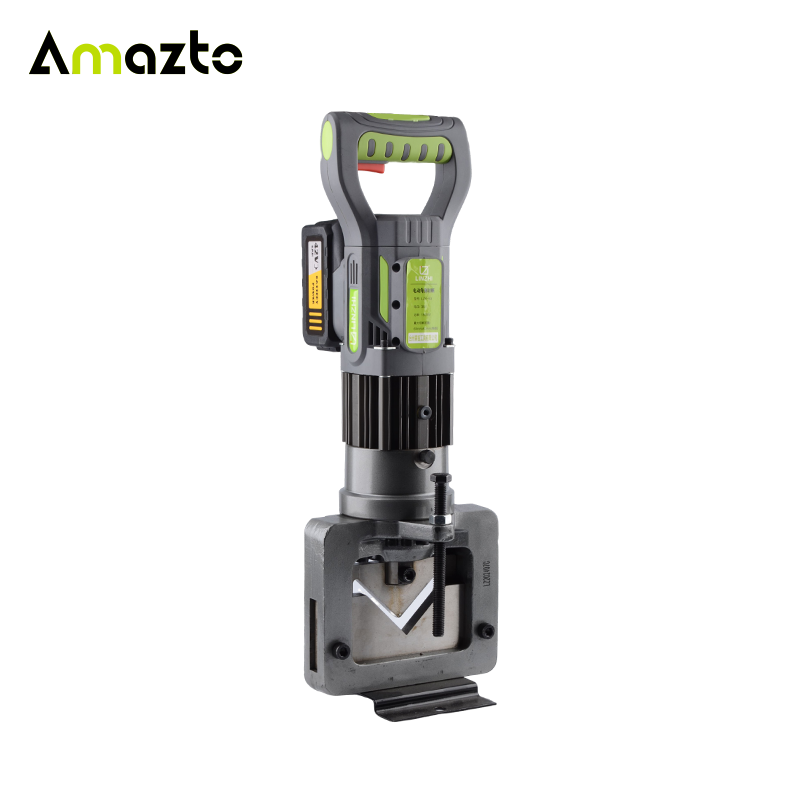
Portable rebar cutting machines have become popular for field use. Battery-powered models weigh less than 20 pounds and can cut dozens of bars on a single charge. These cordless cutters are ideal for bridge decks, high-rise floors, and other locations where access to electrical power is limited. The battery-powered rebar cutting machine fits in a toolbox and can be carried up a ladder or scaffolding easily. For small jobs or remote locations, portable cutters save time and effort.
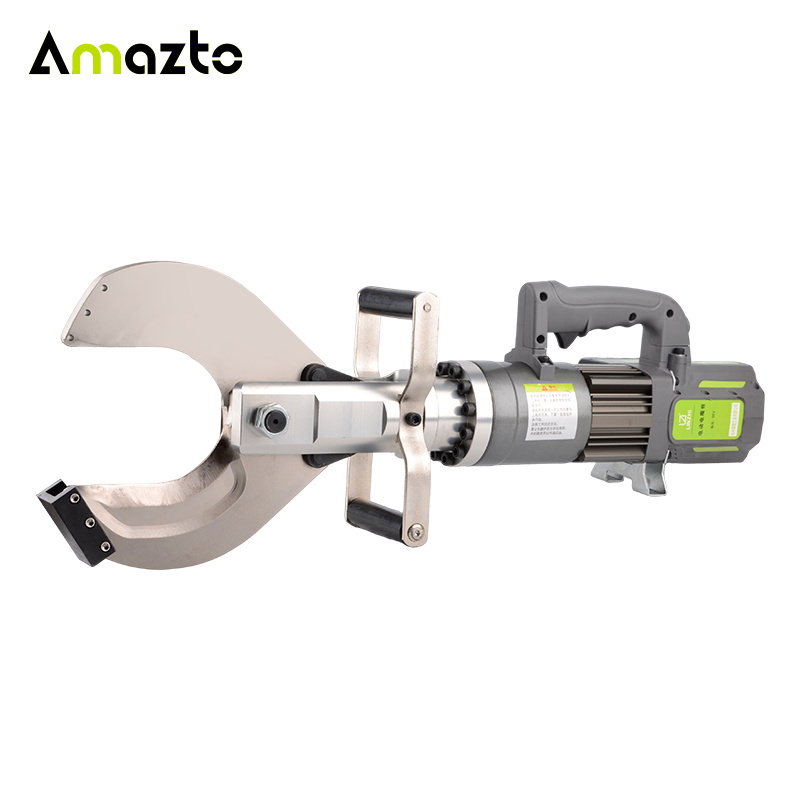
Hydraulic rebar cutting machines offer more power for larger bars or high-volume work. These machines use hydraulic fluid pressure to drive the cutting blades, delivering consistent force regardless of the bar size. Hydraulic rebar cutting machines are often mounted on carts for mobility around the job site. Some models include a foot pedal that allows the operator to keep both hands on the rebar while cutting. Hydraulic cutters handle bars up to #12 or larger.
Automatic rebar cutting machines incorporate measuring and feeding systems. The operator sets the desired length on a digital control panel, and the machine pulls the rebar from a coil or straight bar stock, cuts it to length, and ejects the finished piece. These machines process hundreds of bars per hour, far faster than manual cutting. Automatic rebar cutting machines are used in fabrication shops that supply rebar to multiple construction projects.
The cutting capacity of a rebar cutting machine is rated by the big bar size it can cut. A light-duty machine might handle #3 to #5 bars, suitable for residential work. A medium-duty machine handles #3 to #8 bars, common for commercial construction. A heavy-duty machine handles #3 to #12 bars or larger, used for bridges and industrial projects. The machine should be selected based on the largest bar size expected on the job.
The blades on a rebar cutting machine require maintenance. The blades dull over time, producing ragged cuts that can make it difficult to place the rebar properly. Dull blades also require more force, straining the machine. Blades should be inspected daily and replaced when signs of wear appear. Some blades can be resharpened several times before replacement. Keeping spare blades on hand prevents downtime when blades fail.
Safety features on rebar cutting machines protect the operator. Blade guards cover the cutting area, preventing contact with the moving blades. Two-hand controls require the operator to press two buttons simultaneously, keeping hands away from the cutting zone. Emergency stop buttons shut down the machine instantly. The machine should be bolted to a workbench or cart to prevent tipping during cutting.
For any concrete construction project, rebar cutting machines deliver the speed and accuracy needed to prepare reinforcing steel efficiently. Electric, hydraulic, and battery-powered models suit different job sizes and locations. With sharp blades and proper safety practices, a rebar cutting machine turns coils and bars into precisely cut reinforcement, ready to be tied into place before concrete is poured. From foundations to bridge decks, rebar cutting machines are indispensable.
 Previous