 English
 中文简体
中文简体 русский
 GET A QUOTE
Industry News
A crew cutting 16 mm bars for a column cage all morning feels two things about a Cast Iron Rebar Cutting Machine: how the tool sits in the hand, and how much of the cut comes back through the handle. Cutting force is only part of the picture. The body that carries that force decides whether the operator is steady at the ninetieth cut as well as the tenth.
Why Body Material Shows Up at the Handle
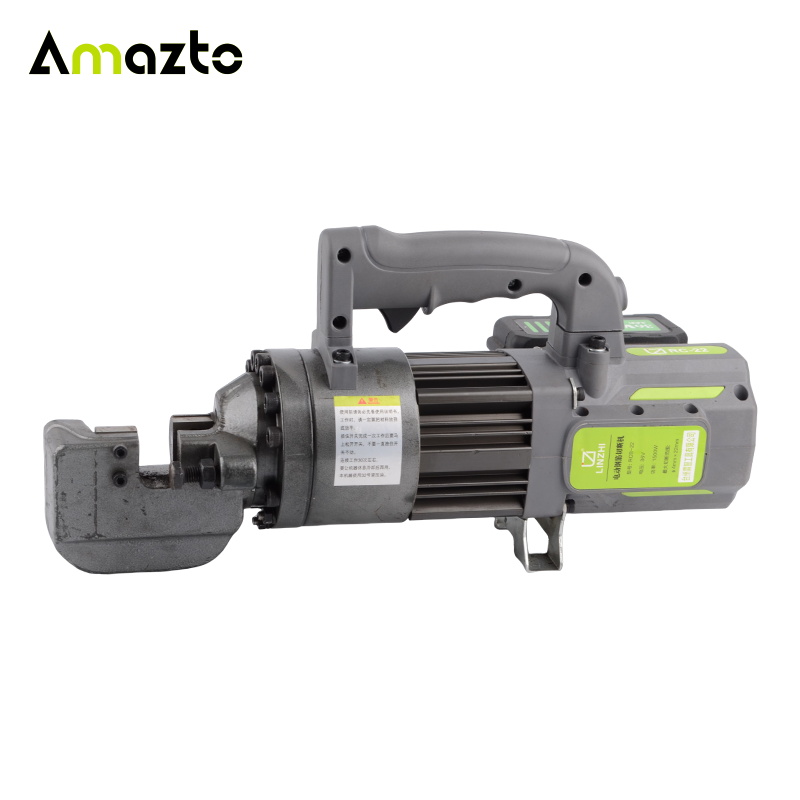
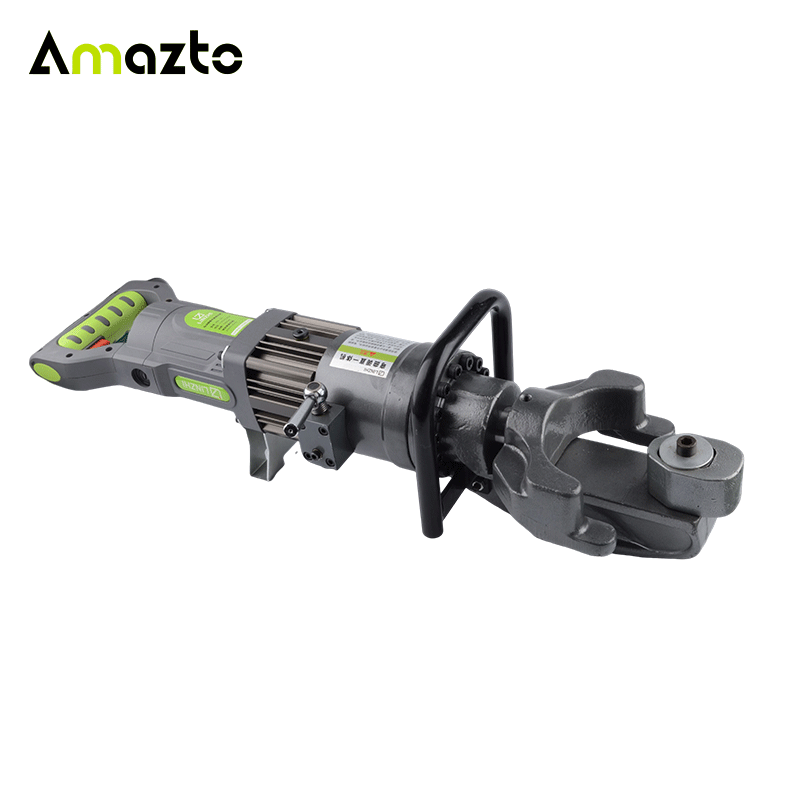
Cutting a rebar produces a sharp load at the moment the blade breaks through the steel. A body made of cast iron has mass and internal damping, so part of that energy is absorbed in the casting rather than passed straight to the operator’s wrists. Lighter housings can feel quick but may transmit more of the shock. On a Cast Iron Rebar Cutting Machine, the gunstock-shaped casting also holds the blade guides in a fixed relationship, so the cutting line stays the same from the bar of a shift to the last. This is why a Cast Iron Rebar Cutting Machine tends to be chosen by site crews who cut all day, where steadiness counts as a comfort feature as much as a cutting feature.
Weight in the 10 kg Class Needs a Plan.
A tool in the 10 kg range is easy to hold for a few cuts and noticeable after a few hundred. On scaffolding and tied cages, operators often work at arm’s length or overhead, so balance matters as much as the number on the label. A well-placed handle and an even weight distribution spread the load across both hands. Site managers who match the tool to the task, rather than carrying one setup everywhere, usually hear fewer complaints about arm fatigue. A Cast Iron Rebar Cutting Machine with a balanced layout also moves between floors without a second person.
Cutting Range and Cycle Time
A range of Φ4–16 mm covers stirrups, ties, and many of the main bars used in residential and light commercial frames. With a cut time of roughly 4 to 6 seconds, a hundred cuts add up to about seven to ten minutes of actual cutting, so the larger share of a crew’s time goes to measuring, marking and handling bars. A 1200 W no-load rating and a 36 V platform describe the power side; the cut time is what the crew feels. Rebar tied in the field often arrives in bundles of mixed diameters, and a single Cast Iron Rebar Cutting Machine that handles the whole span keeps crews from swapping tools.
Blade Access Keeps Downtime Short
The blade is the wear part, so how quickly it can be inspected or changed affects daily output. A rapid blade deployment design lets a crew member open the cutting area without stripping the tool down. For rental yards and site tool stores, that shortens the turnaround between jobs. Brushing steel dust and scale from the cutting area at the end of each shift is a habit that suits any Cast Iron Rebar Cutting Machine and keeps the blade guides moving smoothly.
Packing That Survives the Truck
Steel case packaging protects the tool through truck beds, site containers, and storage rooms, where a loose power tool tends to be dropped, stacked on, or left in the rain. A hard case also keeps the blade and accessories together, which helps tool stores keep track of them. When a Cast Iron Rebar Cutting Machine is stored in its case between jobs, the casting avoids knocks, and the next crew finds a complete tool.
Rebar crews judge a cutting tool at the end of the day, not by the cut. A Cast Iron Rebar Cutting Machine that stays steady, cuts through the bar range cleanly, and goes back into its case without fuss is the one crews ask for again.