 English
 中文简体
中文简体 русский
 GET A QUOTE
Industry News
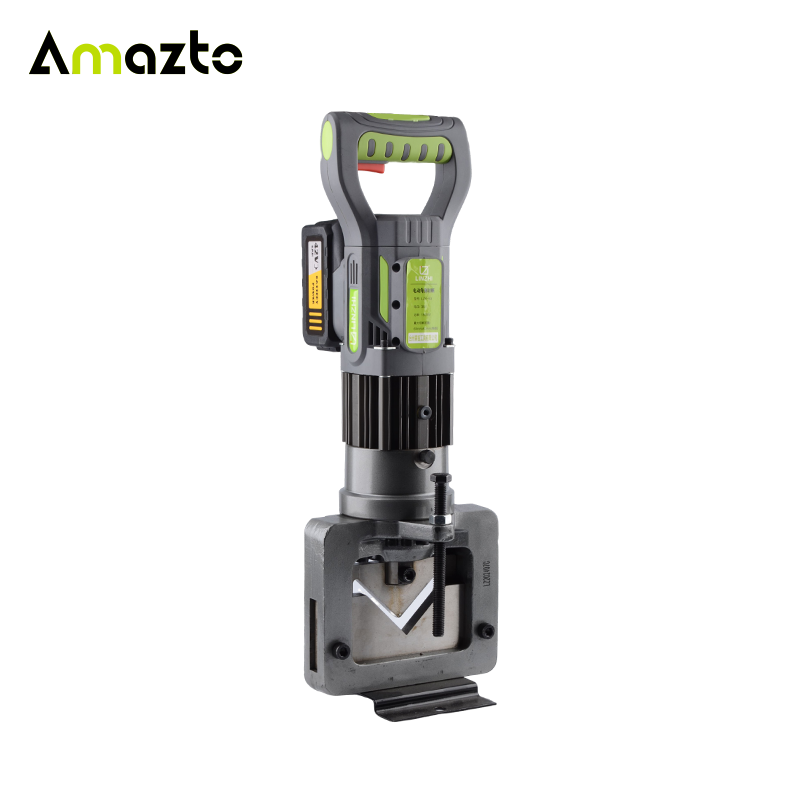
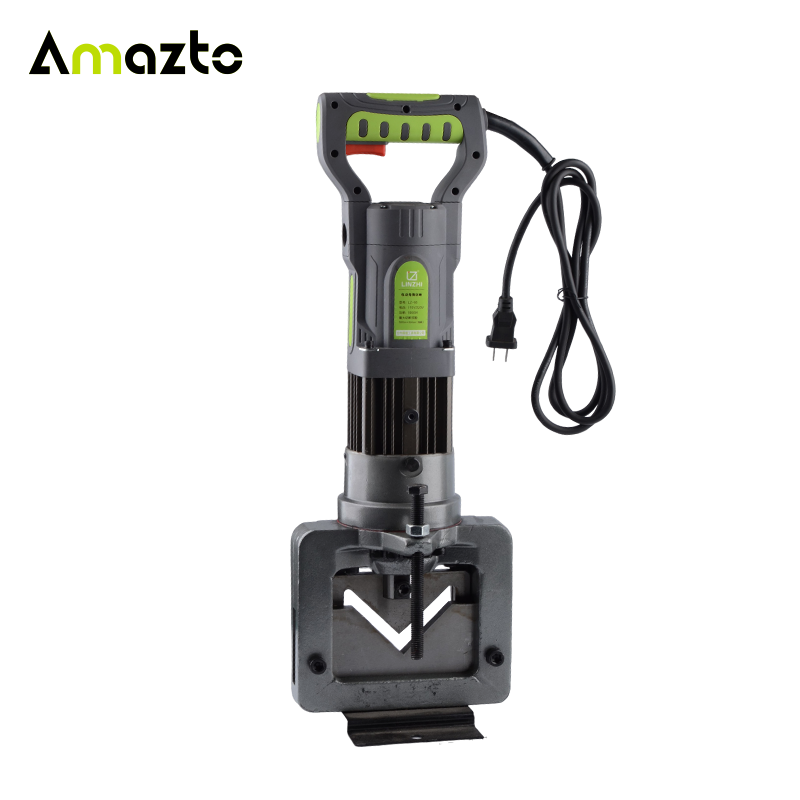
The global industrial sector is witnessing notable developments in the market for angle steel machining tools. These specialized instruments, designed for cutting, drilling, and shaping L-shaped structural steel, are fundamental to fabrication across construction, infrastructure, and heavy equipment manufacturing. Current industry analysis indicates a steady demand for the angle steel machining tool, reflecting its essential role in preparing materials for frameworks, supports, and custom metal assemblies.
A primary driver of this sustained activity is the ongoing advancement in the technology of the angle steel machining tool itself. Modern iterations increasingly integrate digital controls and automated features, moving beyond traditional manual operation. This shift allows for improved precision in repetitive tasks, enhanced operator safety through reduced direct contact, and better overall consistency in output quality. The adoption of a computer-guided angle steel machining tool can cause reductions in material waste and lower processing times, factors that contribute to project efficiency and cost management for fabricators.
Furthermore, the demands of contemporary construction and renewable energy projects are influencing the specifications required from an angle steel machining tool. The need to process varying grades and thicknesses of steel for diverse applications, from building frames to support structures for solar installations, requires versatile and robust equipment. Manufacturers of the angle steel machining tool are responding by designing systems with adaptable clamping mechanisms, interchangeable tooling heads, and increased durability to withstand rigorous workshop environments. The reliability of a well-engineered angle steel machining tool directly impacts workflow continuity and the ability to meet project deadlines.
The focus on operator safety and ergonomics is also becoming more pronounced in the design of new angle steel machining tool models. Enhanced features such as improved guarding, dust and chip extraction systems, and vibration-dampening technologies are being incorporated. These developments aim to address long-standing workshop concerns and align with broader industry standards for worker protection. The evolution of the angle steel machining tool thus reflects a balance between raw processing power and the creation of a more controlled, user-friendly operational environment.
The integration of smart technology presents potential pathways for the next generation of angle steel machining tools. Concepts involving the connectivity of the machine to digital project plans for automated setup, or the use of sensors for predictive maintenance, are subjects of discussion within the industry. Such innovations could further refine the precision and operational efficiency of the angle steel machining tool. Additionally, the global emphasis on infrastructure renewal and sustainable construction practices is expected to support continued investment in the foundational equipment used for material preparation, including the angle steel machining tool.
The angle steel machining tool remains a critical piece of equipment in metal fabrication. Its market progression is tied to the rhythms of heavy industry and construction, while its technological development is driven by the pursuit of greater accuracy, safety, and adaptability. As fabrication requirements become more complex, the capabilities of the angle steel machining tool will continue to be refined. This tool's role in transforming raw angle steel into precisely crafted components ensures its enduring relevance in building the structural backbone of various industrial and commercial projects.
 Previous