
 English
 中文简体
 русский
 GET A QUOTE
Industry News
Home / News / Industry News / Bus Processing Machine And Hydraulic Crimping Tool In Prefabricated Switchgear
A Bus Processing Machine moves busbar work from the construction site to the factory floor, and a Hydraulic Crimping Tool handles the cable connections that can only be made once the equipment is in place. As prefabricated switchgear rooms and modular substations replace built-on-site installations, the split between these two jobs decides how fast a power project reaches energization.
A site installation used to mean cutting, drilling and bending copper bars in a half-finished building, with hand tools and uneven light. Holes were drilled by eye and bends were checked with a tape. Quality varied with the crew and the weather, and rework was expensive because the equipment was already standing.
Prefabrication reverses that sequence. Busbars are made in a workshop on a busbar processing machine, fitted to the switchgear enclosure and tested before the unit ships. A Bus Processing Machine gives the shop repeatable results: the same bar length, the same hole position and the same bend angle on every unit in a batch. Site crews then connect finished modules instead of making parts.
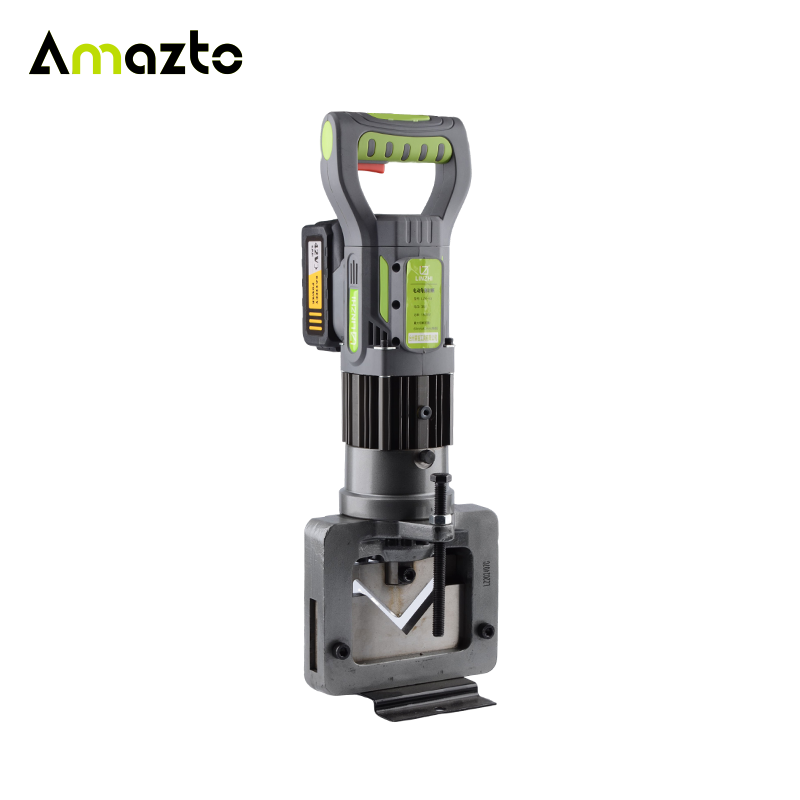
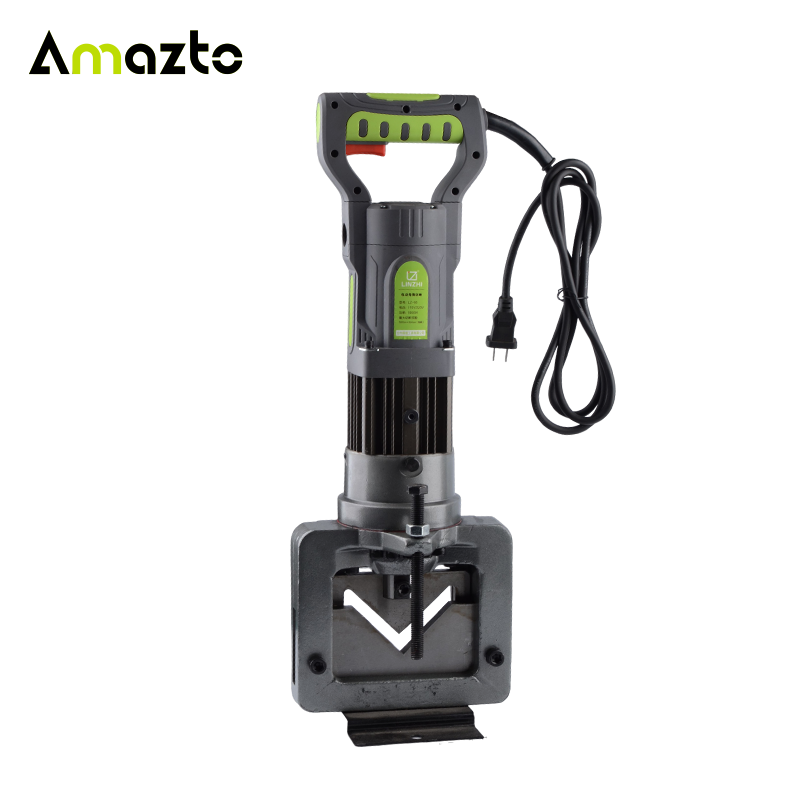
A Bus Processing Machine shears bars to length, punches holes and bends them to the drawing in one workflow. A hydraulic busbar fabrication machine applies the force needed for thick copper, and programmable stops store dimensions so operators recall a job instead of measuring it. Copper and aluminum behave differently, since aluminum is softer and marks more easily, so tooling and handling are adjusted for each material.
Accuracy matters at the connection points. A hole punched in the wrong place can force a re-bend or a new bar, and that costs more once the bar is already inside a cabinet. Factories that run a Bus Processing Machine inspect the initial bar of each run against the drawing and then trust the machine for the rest of the batch.
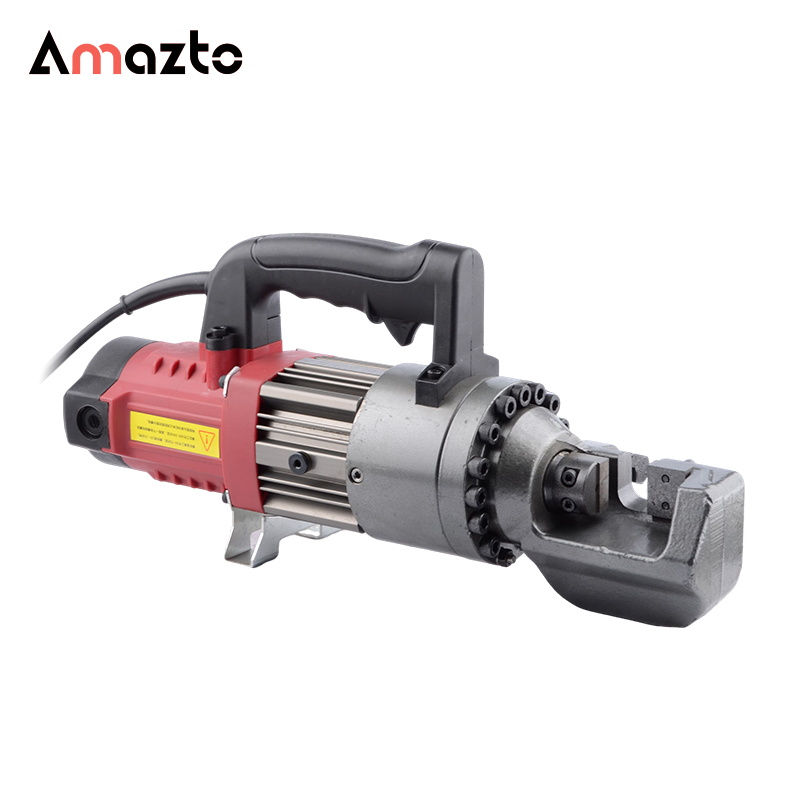
Cables are the part of a power installation that cannot be fully prefabricated. Their length follows the actual route between the switchgear and the equipment it feeds, and that route is known only when the building stands. Crews cut each cable to size, strip it and fit a lug at each end.
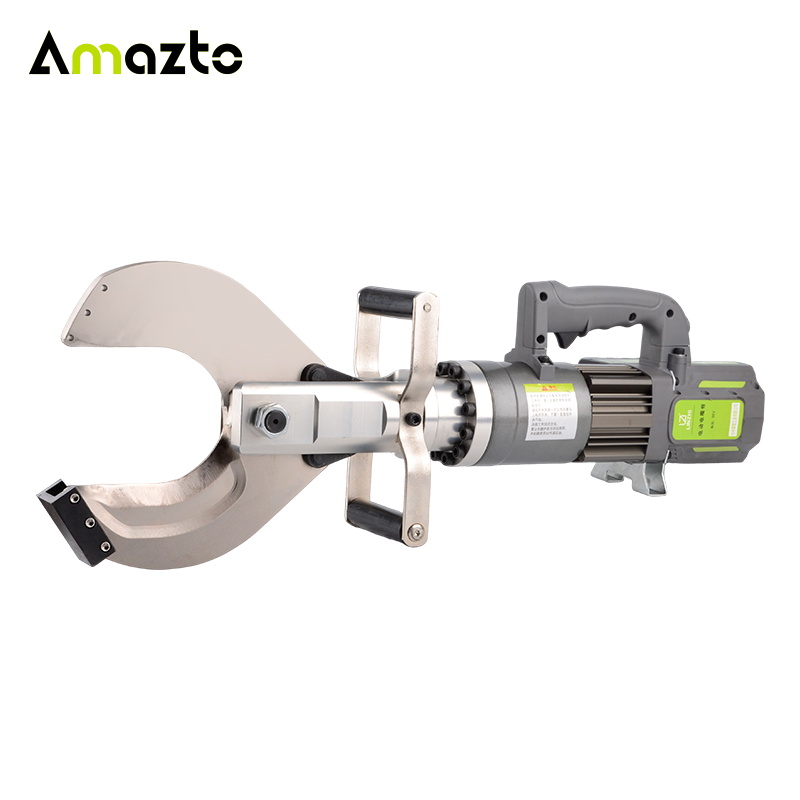
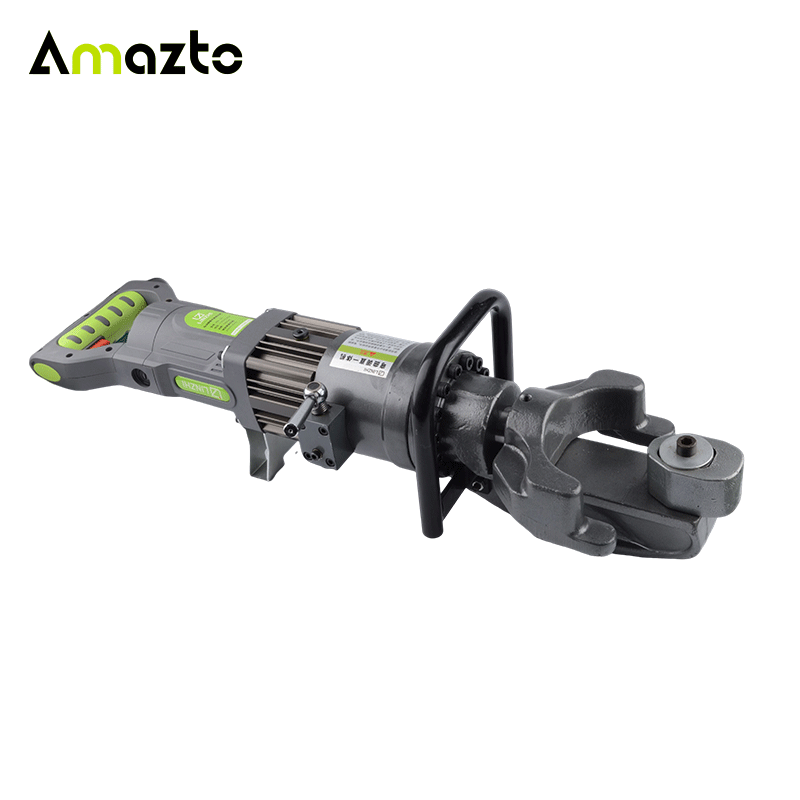
A Hydraulic Crimping Tool makes that connection without a bench. Hydraulic press pliers come in manual and battery-powered versions, and in low, medium and high working pressures for different conductor sizes. A light manual Hydraulic Crimping Tool serves small conductors, while a high-pressure electric model presses large cross-sections quickly. Interchangeable dies suit common lug sizes, and specialized dies fit specific connectors. The operator selects the die that matches the lug, completes the stroke and checks the impression.
The joint between a prefabricated busbar and a field-fitted cable lug is the point where the two jobs must agree. Hole size and spacing set by the Bus Processing Machine must match the bolt and the lug tongue, or the installer will need to drill on site, which undoes the benefit of prefabrication. Common bolt sizes such as M10 and M12 are standardized so that lugs from different suppliers fit the same hole pattern.
A lug that is crimped with the wrong die or an incomplete stroke fails by heating, not by breaking, so crews rely on a Hydraulic Crimping Tool that completes a full cycle. Project managers who specify hole patterns in the factory drawings and die sizes in the site method statement avoid many connection problems before they appear.
The same principle serves several other trades. In power work, crimping presses line connectors and terminals. Communication technicians crimp fiber optic and signal connectors, and construction crews press rebar and steel pipe connections. In automotive work, the tool joins oil pipes and electrical circuits. A shop that buys one Hydraulic Crimping Tool with a range of dies can often serve several of these jobs from the same case.
Factories that build switchgear now invest in a Bus Processing Machine that makes parts accurately, while installers invest in a portable hydraulic crimper that finishes connections quickly. A Bus Processing Machine in the workshop and a Hydraulic Crimping Tool in the site van divide the work along the line that separates what can be made indoors from what must be completed on location. The hole spacing on a finished bar is the detail that ties the two together, and it is fixed long before a crew reaches the site with a Hydraulic Crimping Tool in hand.
If you have any questions, please fill out the contact form at the bottom of the page and contact us.
Provide high-quality products for domestic and international customers
China Hydraulic Tool Manufacturer

