 English
 中文简体
 русский
 GET A QUOTE
Industry News
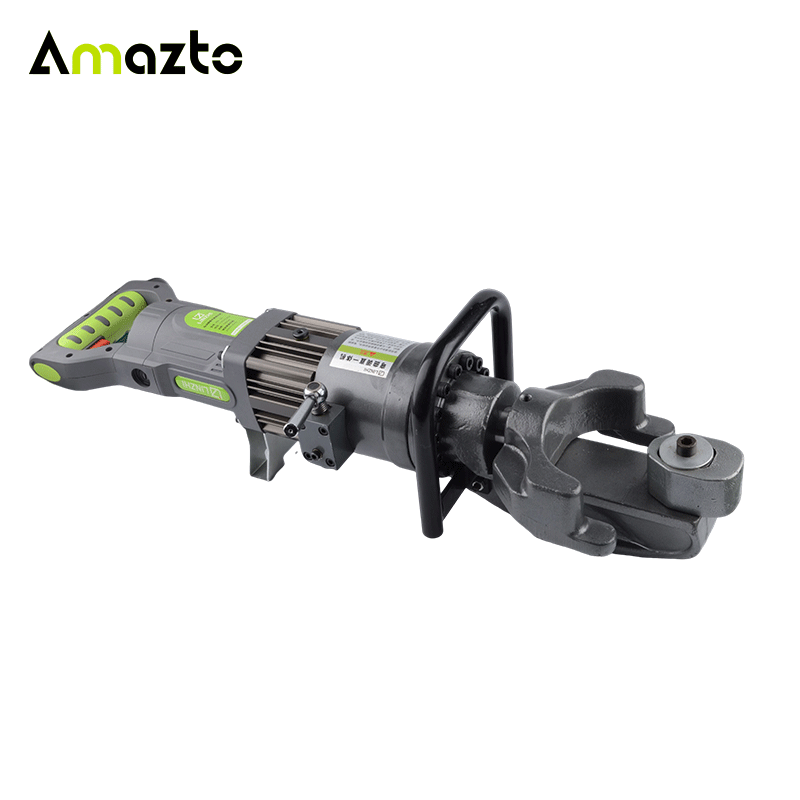
An Electric Steel Bar Bending Machine is rated by the bar sizes it can bend, but on a construction site its output is set by the power that actually reaches the motor. Bending yards and cage assembly areas are often far from a fixed supply, and machines run from generators and long extension cords. The same Electric Steel Bar Bending Machine that bends cleanly in a workshop can slow down, trip a breaker or heat a cord when the site supply falls short, so power planning has become part of how bending work is organized.
Rated Power Turns Into Current
Motor power translates into current through a simple relation: current equals power divided by voltage. A 1500W Electric Steel Bar Bending Machine on a 220V supply draws about 6.8 amps, and the same machine on a 110V supply draws about 13.6 amps. The current doubles when the voltage halves, and every part of the supply chain has to carry that doubled current: the socket, the cable, the breaker and the generator.
Linzhi's electric rebar bending range runs from the RB-16 at 1200W no-load power to the RB-25 and RB-28 at 1500W no-load power, and the models are listed at 220V/50Hz, with 110V versions available on customization for certain products. No-load power is the figure at idle, and the draw rises once a bar is in the bend, so site supply is planned above the plate figure, not at it.
Starting Surge Sets The Generator Size
The motor of an Electric Steel Bar Bending Machine draws several times its running current for a moment when it starts, and a bender starts and stops many times in an hour because each bend is a separate cycle. A generator sized exactly to the rated power may handle steady running but sag during starts, and a sagging supply makes the motor start slowly or not at all.
Sizing a generator well above the motor rating leaves room for the surge, and it leaves room for other tools on the same supply, like a rebar cutter or a work light. Crews that run a cutter and an Electric Steel Bar Bending Machine from one generator plan for both loads together, since each one starts independently of the other.
Cable Length Costs Voltage

Every meter of cable has resistance, and the voltage lost along it equals current multiplied by that resistance. A long, thin extension cord delivers less than the supply voltage to the motor, and a motor on reduced voltage produces less torque. An Electric Steel Bar Bending Machine working near its capacity on a thick bar is to show it, with a slower disc and a hotter motor.
The effect scales with current. At 110V the current is double, so the same cord loses twice the voltage and produces four times the heat. Shorter, heavier cords are the practical remedy, and crews working at 110V usually need shorter runs than crews at 220V for the same machine.
Lithium Battery Units Remove The Cable
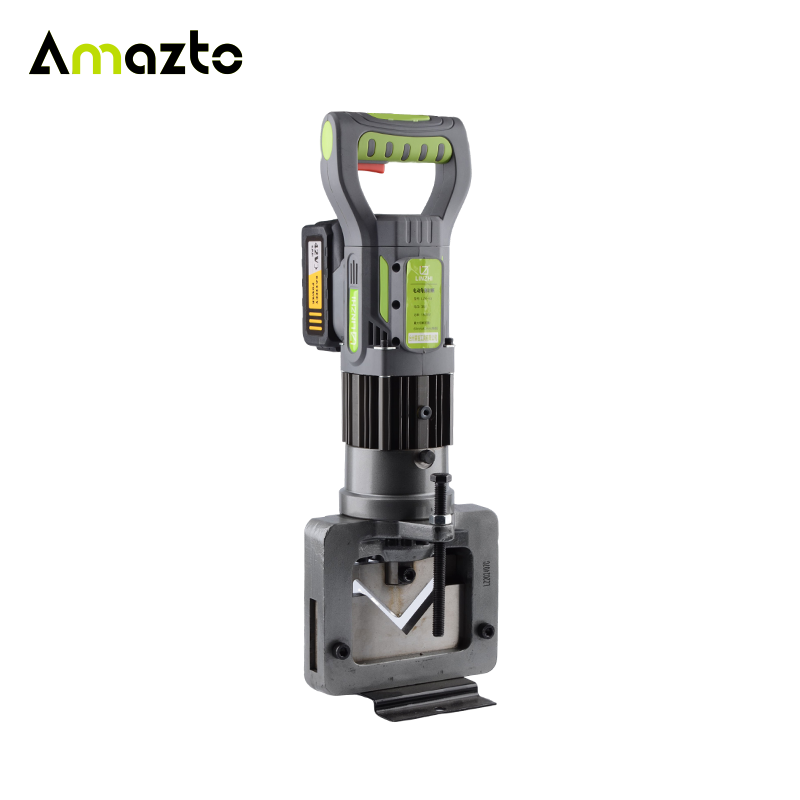
A battery-powered machine solves the supply problem by carrying its own power. A Lithium Battery rebar bender needs no generator, no extension cord and no socket, and it can be set up beside the bar bundle on a deck or a column cage far from the supply. The trade-off is working time, since battery capacity limits the number of bends per charge, so crews keep spare packs charged.
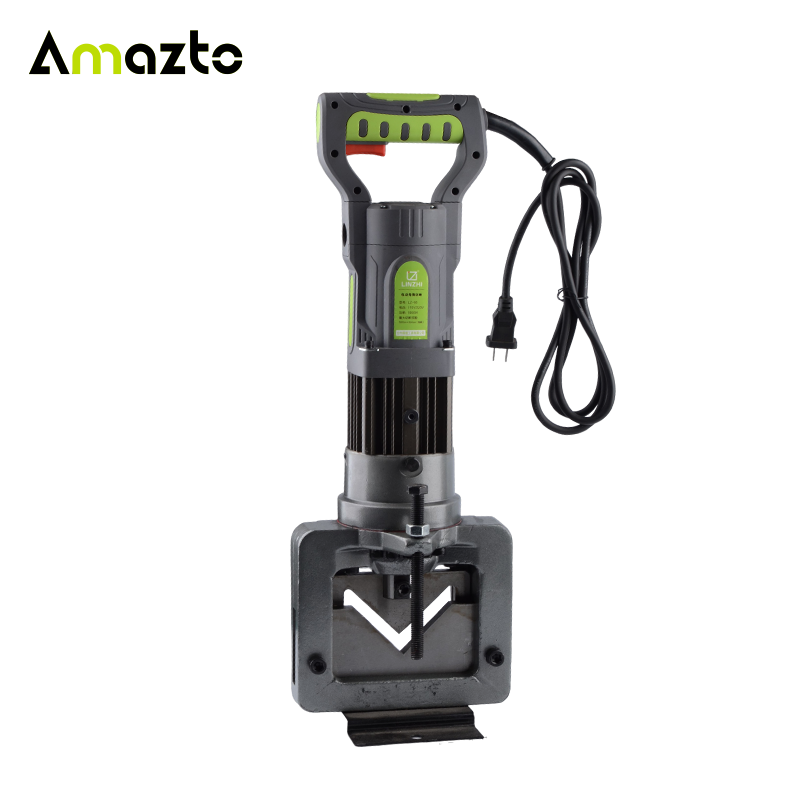
A corded Electric Steel Bar Bending Machine holds the opposite position. They run continuously without stopping for charging, which suits a bending yard with a steady supply and a daily bend count in the hundreds. Many sites use both: corded benders in the yard and a battery unit for work at the structure.
Power Becomes Part Of The Site Plan
Site planners now list each Electric Steel Bar Bending Machin alongside other electrical loads. Power, cable runs, generator size and charging points for battery tools are set before the bending schedule begins, because a Rebar Bending Machine that is rated for the bar but starved of power wastes crew time.
Taizhou Linzhi Tool Co., Ltd. in Yuhuan builds the range on both sides of this decision. Its Rebar Bending Machine models RB-16, RB-20, RB-22, RB-25 and RB-28 run on mains power, and the RB-25 is also offered as a Lithium Battery version. A project that knows its supply, its cable runs and its bar sizes can choose between them early, and a distributor that stocks both can match each customer's site power to the machine that suits it.