 English
 中文简体
 русский
 GET A QUOTE
Industry News
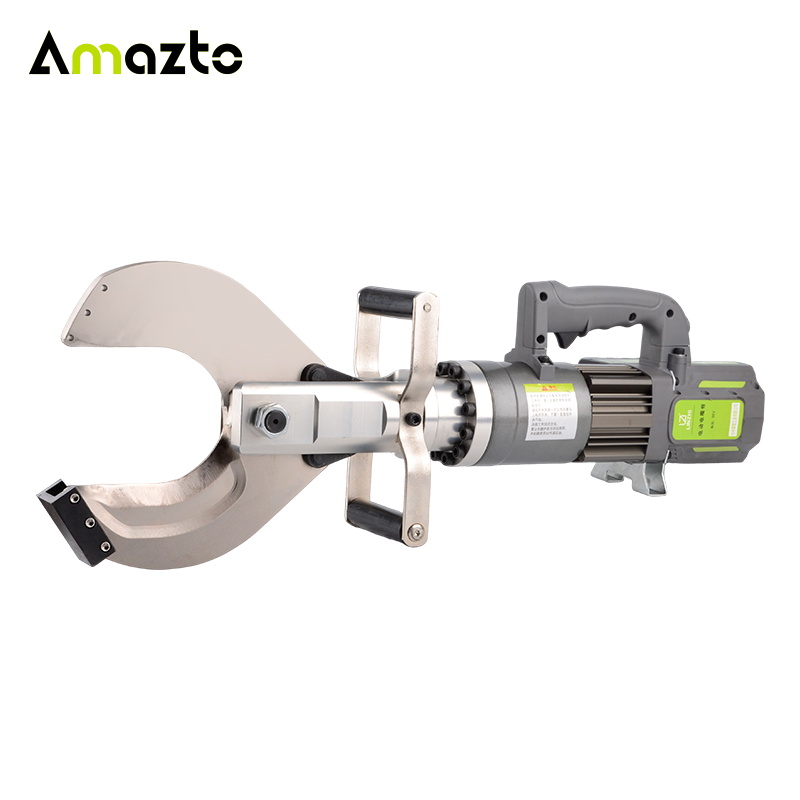
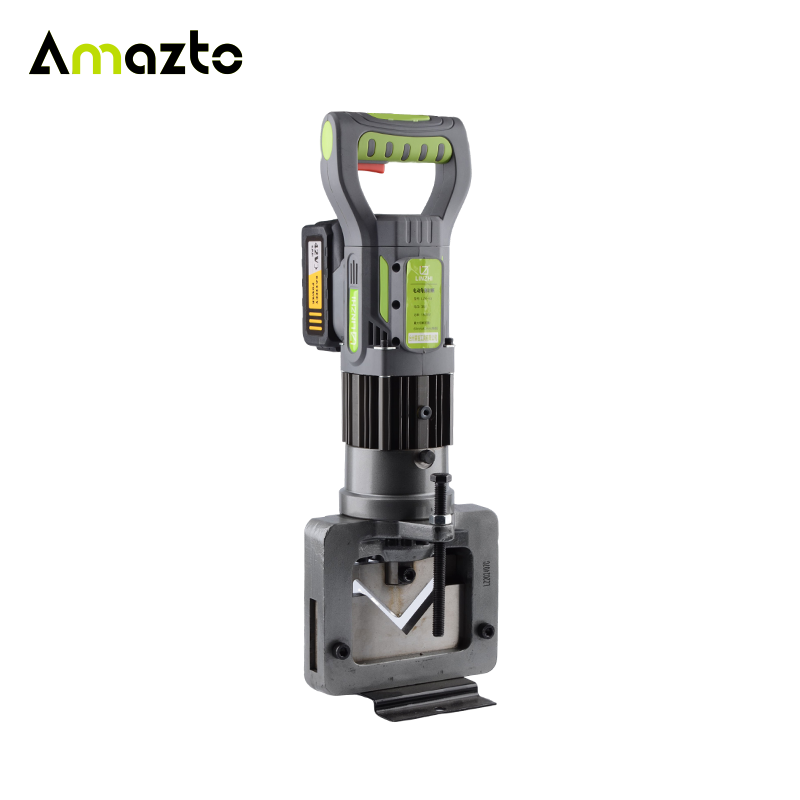
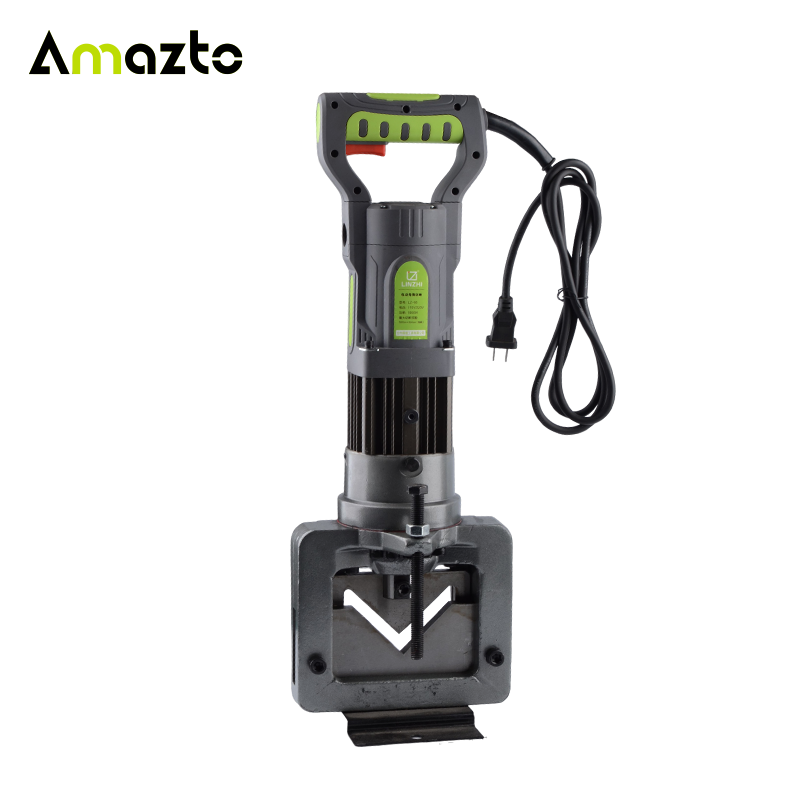
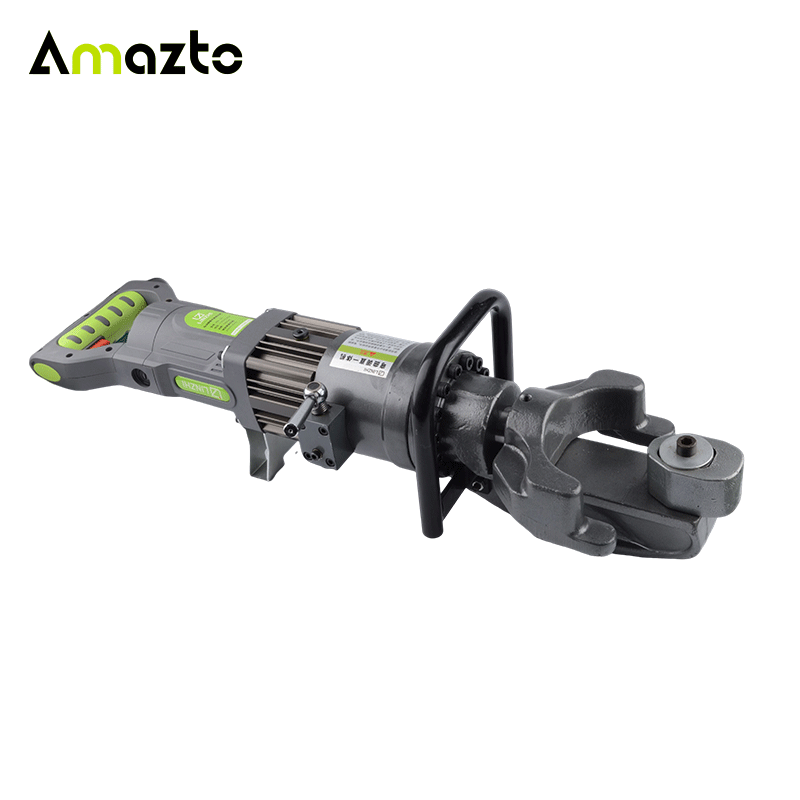
An Electric Steel Bar Bending Machine meets a different bar again and again on a construction site: one diameter after another, from stock of differing strength, bent against the clock. The force needed for each bend changes with the bar, so how a machine handles load is as important as how fast it turns. Taizhou Linzhi Tools Co., Ltd., based in Yuhuan, Taizhou, equips its rebar bending and straightening machines with overload protection, a firm grip and a reinforced head.
Load Changes From Bar to Bar
Bending force rises with bar diameter and with the strength of the steel. A thicker bar needs more force than a thin one, and a higher-strength grade needs more than a mild one, so the same Electric Steel Bar Bending Machine sees a wide range of loads in a single shift. On a site where stock is delivered in mixed sizes and grades, an Electric Steel Bar Bending Machine has to cope with the heavy end of that range without strain.
The RB-25 addresses this with an adjustable pressure relief valve. The valve protects the machine against overload, and it can be tuned for the hardness and diameter of the material being bent. Linzhi's machines carry overload protection and emergency stops as standard, so overload is handled by built-in protection.
Grip Decides Accuracy
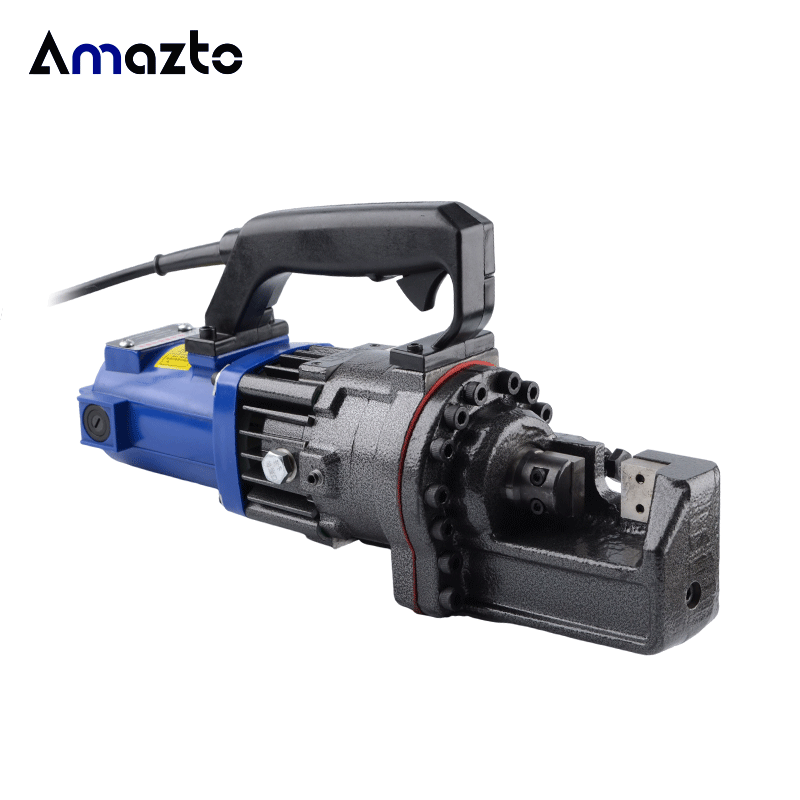
A bar that slips in the chuck bends to the wrong angle and wears the tool. The RB-25 uses a reinforced, high-strength chuck for a secure, non-slip grip, and that grip supports both bending accuracy and tool life. For anyone cutting and bending bars to a drawing, a chuck that holds the bar steady is what makes one bend match the next.
Grip matters during straightening too. Linzhi's machines combine bending and straightening in one unit, and in both jobs the bar has to stay fixed in the head while the force is applied. An Electric Steel Bar Bending Machine that grips well keeps the bar in the same line from one operation to the next.
Force Through the Head
The head carries the whole load of the bend, so its construction is what keeps an Electric Steel Bar Bending Machine working under repeated use. The RB-28 uses an annular nut design that spreads force evenly across the head. This gives a stronger structure and better sealing, which suits a machine built for heavy-duty, long-lasting operation on intensive job sites.
Behind the head sit a high-torque electric motor, a robust gearbox and hardened steel workheads. Each part passes the load on to the next, and an Electric Steel Bar Bending Machine built with that chain in mind spreads wear instead of concentrating it at one point.
Motor and Supply
Both the RB-28 and the RB-25 run on a high-power pure copper motor with a rating of 1500 W no-load, on 220 V and 50 Hz, with 110 V available on request. Copper windings carry current well, which helps a motor hold its output through a long working day, and the 110 V option lets the same machine serve sites on a different supply.
Bending time is about 7 to 9 seconds for the RB-28, which handles bars from Φ8 to 28 mm, and about 6 to 8 seconds for the RB-25, which handles Φ8 to 25 mm. A bar of that size goes from setup to finished bend in a few seconds, so the Electric Steel Bar Bending Machine keeps pace with a crew that bends bars one after another.
Handling on Site
The RB-25 comes with a stable, ergonomic handle that is intended to reduce operator fatigue, which matters over a day of repeated bends. Machines ship in a plastic box, and the range runs through 16, 20, 22, 25 and 28 model sizes, from compact portable units to heavy-duty industrial versions with centralized controls and adjustable speed.
Contractors and distributors comparing an Electric Steel Bar Bending Machine tend to read four things together: how the machine limits overload, how it grips the bar, how the head carries force and how the motor is supplied. Each of them can be checked against the machine itself, which gives Linzhi's rebar machines a clear set of points to compare from one model to the next.