
 English
 中文简体
中文简体 русский
 GET A QUOTE
Industry News
Home / News / Industry News / Can Hydraulic Angle Steel Cutting Machine Improve Fabrication Efficiency?
Steel fabrication companies are facing increasing pressure to complete orders within shorter production schedules. When projects involve repeated angle steel processing, manual cutting methods may create difficulties in maintaining consistent output.
Workshop managers are now reviewing how individual machines affect the overall production flow. Cutting speed, operator workload, material handling, and process stability are becoming common topics during equipment discussions.
A Hydraulic Angle Steel Cutting Machine is often considered by companies that need to process angle steel regularly. Instead of relying on separate cutting operations, some workshops are looking for equipment that can fit more smoothly into existing production arrangements.
This change is especially noticeable among small and medium-sized fabrication companies. Many of them are not replacing entire production lines but improving specific steps that slow down daily operations.
In many fabrication workshops, cutting is one of the earlier steps before welding, drilling, and assembly. Delays at this stage can affect the following production procedures.
When order quantities increase, companies may find that traditional processing methods require more labor coordination. Operators need to measure materials, complete cutting tasks, and prepare components for the next stage.
A Hydraulic Angle Steel Cutting Machine can become part of a workshop upgrade plan when companies need more organized material preparation.
Manufacturers of angle steel processing equipment are seeing more attention from customers who want to improve specific production points rather than making major changes to their factories.
The reason behind these upgrades is often practical. A smoother cutting process can make it easier for workers to arrange production schedules and handle repeated fabrication tasks.
Angle steel is used in various manufacturing fields, and each industry may have different processing requirements.
Construction-related companies may use angle steel for structural projects, while electrical equipment manufacturers may process smaller components for cabinets and support frames.
Because of these differences, machine suppliers often need to understand the customer’s working environment before discussing equipment solutions.
For a Hydraulic Angle Steel Cutting Machine manufacturer, application information can influence machine recommendations. Material size, daily workload, and production conditions all play a role in equipment planning.
The demand for metal fabrication machinery continues as more companies focus on improving production organization and reducing unnecessary manual operations.
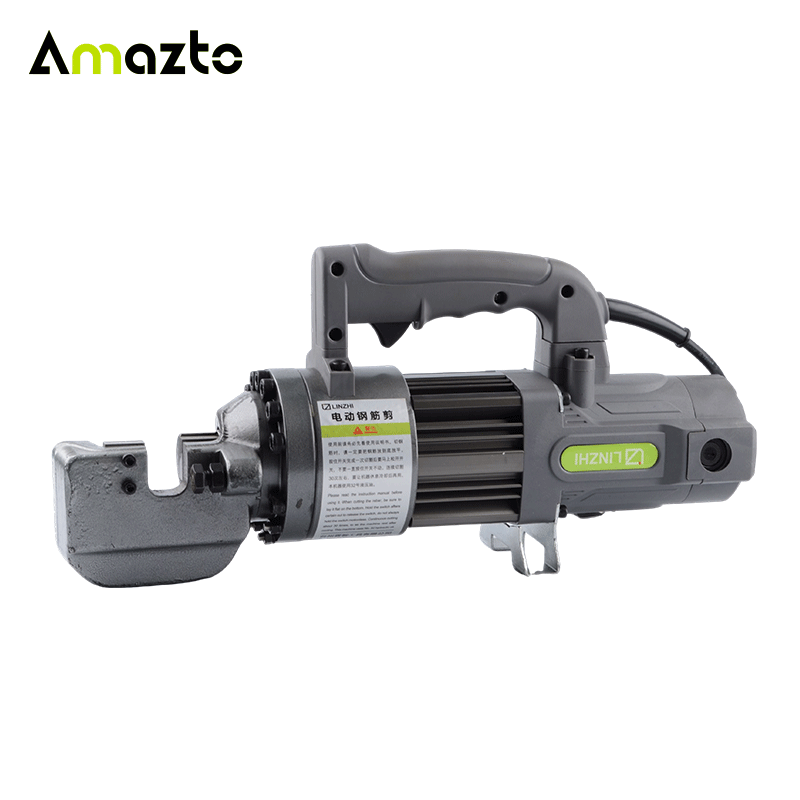
After purchasing industrial equipment, companies usually pay attention to daily maintenance and operation stability.
A machine that fits the production environment can reduce interruptions caused by unsuitable operating conditions. Buyers often discuss hydraulic system maintenance, component replacement, and technical support before finalizing cooperation.
For overseas customers, these details are especially important because equipment support may continue after shipment.
Manufacturers producing Hydraulic Angle Steel Cutting Machine products are improving communication with customers by providing clearer operation information and service support.
The development of metal processing equipment is closely connected with changes inside fabrication workshops. Companies are looking for practical improvements that match their production needs rather than simply adding more machines.
Suppliers of Hydraulic Angle Steel Cutting Machine equipment are paying more attention to customer applications, production challenges, and long-term cooperation.
As fabrication industries continue to develop, equipment decisions are becoming part of broader production planning. Machines that support stable workflows and fit real manufacturing conditions are receiving more attention from companies around the world.
If you have any questions, please fill out the contact form at the bottom of the page and contact us.
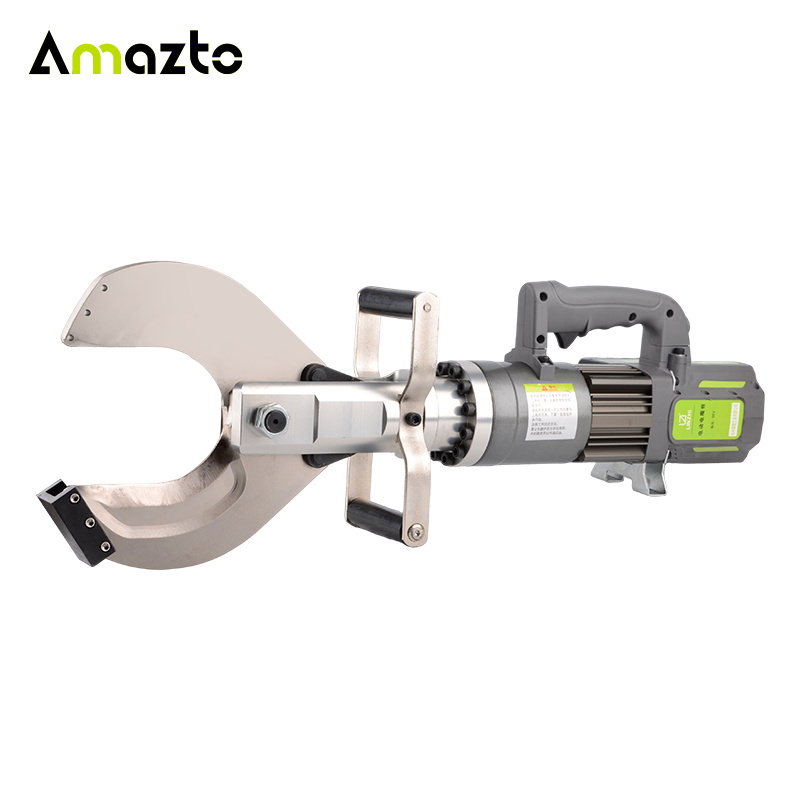
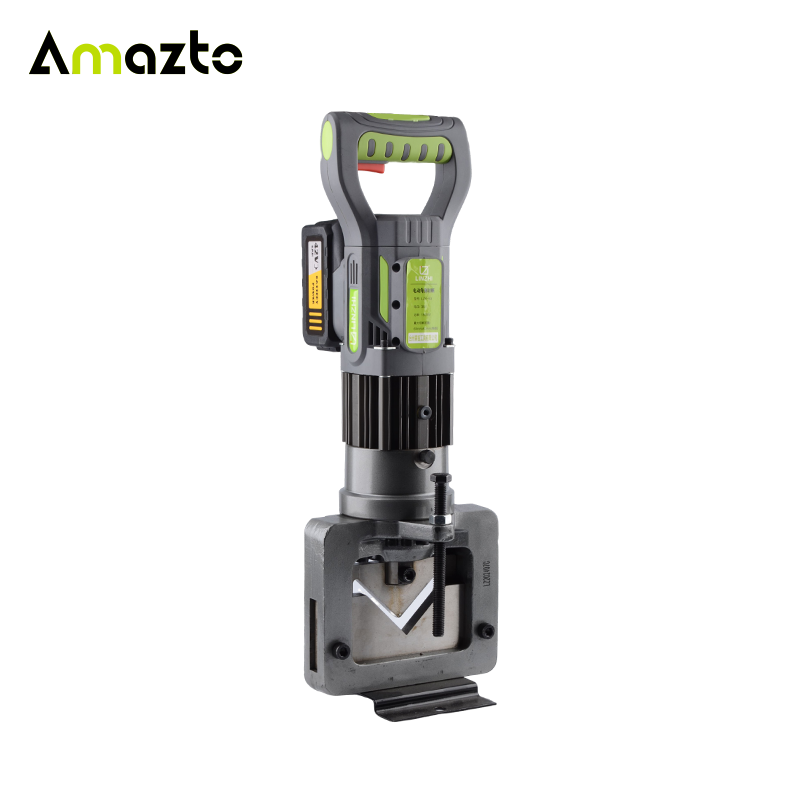
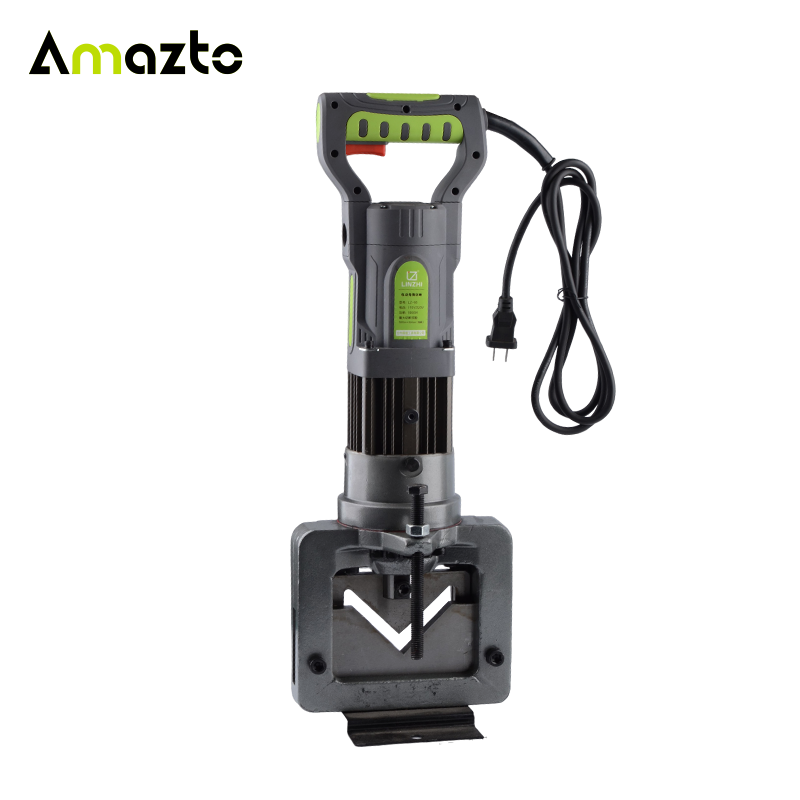
Provide high-quality products for domestic and international customers
China Hydraulic Tool Manufacturer

 Previous