 English
 中文简体
中文简体 русский
 GET A QUOTE
Industry News
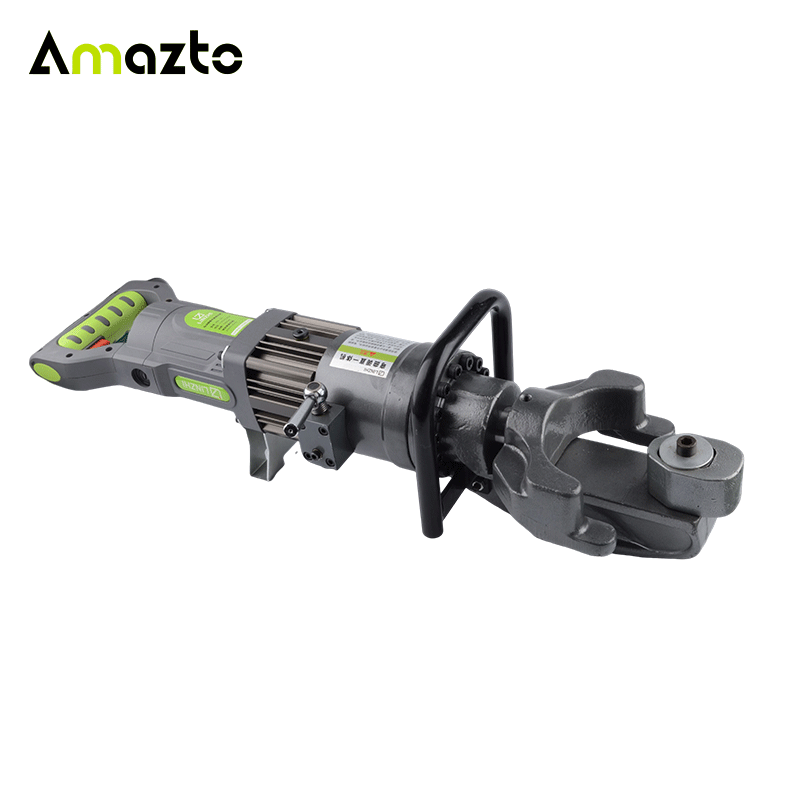
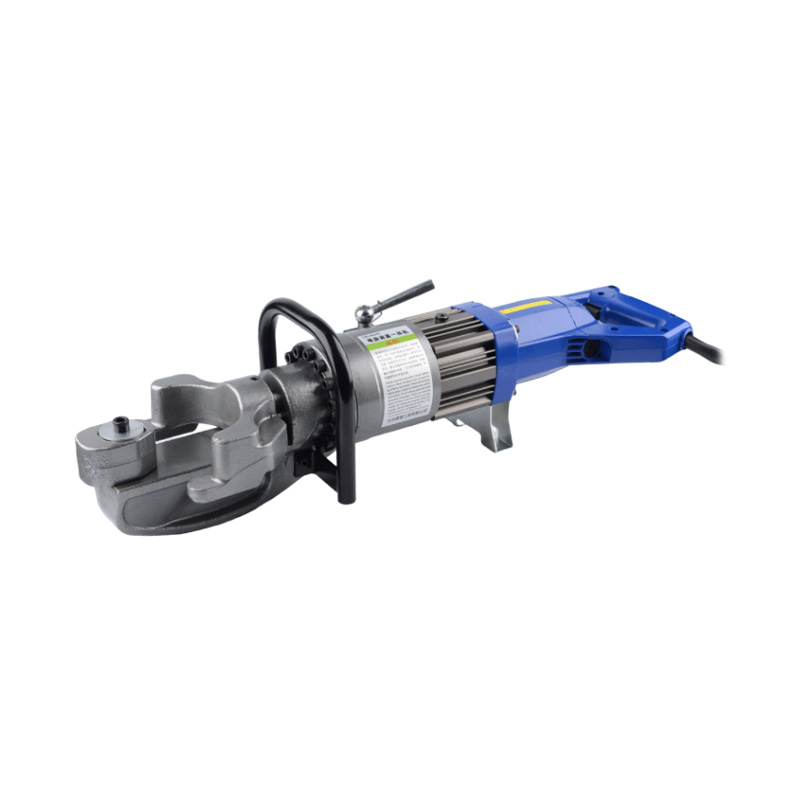
On construction sites and in fabrication workshops, the task of shaping steel reinforcement bars (rebar) is being transformed by a key piece of equipment: the electric steel bar bending machine. This electrically powered tool is designed to bend steel bars to precise angles and shapes as required by structural engineering plans. The increasing adoption of the electric steel bar bending machine represents a significant move towards more efficient, consistent, and cleaner processing of reinforcement materials compared to traditional manual methods or hydraulic systems.
The core operation of an electric steel bar bending machine revolves around a powerful electric motor that drives a central bending shaft or disc. The operator secures a steel bar against fixed pins or a central mandrel. Upon activation, the machine's bending arm rotates, applying force to the bar against the pins, creating a clean, accurate bend. Modern electric steel bar bending machine models are often controlled via a digital interface or simple dials, allowing the operator to pre-set bend angles with a notable degree of accuracy. This combination of electric power and programmable control is central to the advantages offered by the electric steel bar bending machine.
A primary benefit of using an electric steel bar bending machine is its operational efficiency and consistency. It can process steel bars of specified diameters—commonly ranging from small gauges up to several inches—much faster than manual labor. This speed is crucial for large-scale projects like high-rise buildings, bridges, and foundations, where thousands of bends may be required. Furthermore, each bend produced by an electric steel bar bending machine is uniform, ensuring that every stirrup, hook, or structural bend meets the same specification, which enhances structural integrity and simplifies assembly on site.
From an environmental and operational standpoint, the electric steel bar bending machine offers clear advantages. It produces zero direct emissions at the point of use, unlike diesel-powered alternatives, contributing to a cleaner worksite and reduced carbon footprint for the construction process. Its operation is generally quieter than machinery with internal combustion engines. Additionally, the electric steel bar bending machine typically requires less maintenance than complex hydraulic systems, as there are no hydraulic fluids to manage and fewer components prone to leaks. This translates to lower operating costs and increased machine availability.
The versatility of the modern electric steel bar bending machine is also noteworthy. Many models can perform both bending and cutting functions, making them a central workstation for rebar preparation. Advanced versions may feature automatic feeding systems and the ability to store multiple bending programs for different bar sizes and shapes. This programmability allows a single electric steel bar bending machine to be quickly reconfigured for different tasks within a project, big its utility and return on investment.
The integration of smarter controls is a likely path for the electric steel bar bending machine. Connectivity features that allow the transfer of bending programs directly from design software, or that log production data for quality assurance, are emerging trends. As global infrastructure development continues and construction practices emphasize both speed and sustainability, the role of the efficient, precise, and clean electric steel bar bending machine is set to become even more central. It stands as a prime example of how electrification and digital control are upgrading fundamental construction tools, pilot to better-built structures and more productive, safer job sites.
 Previous