 English
 中文简体
中文简体 русский
 GET A QUOTE
Industry News
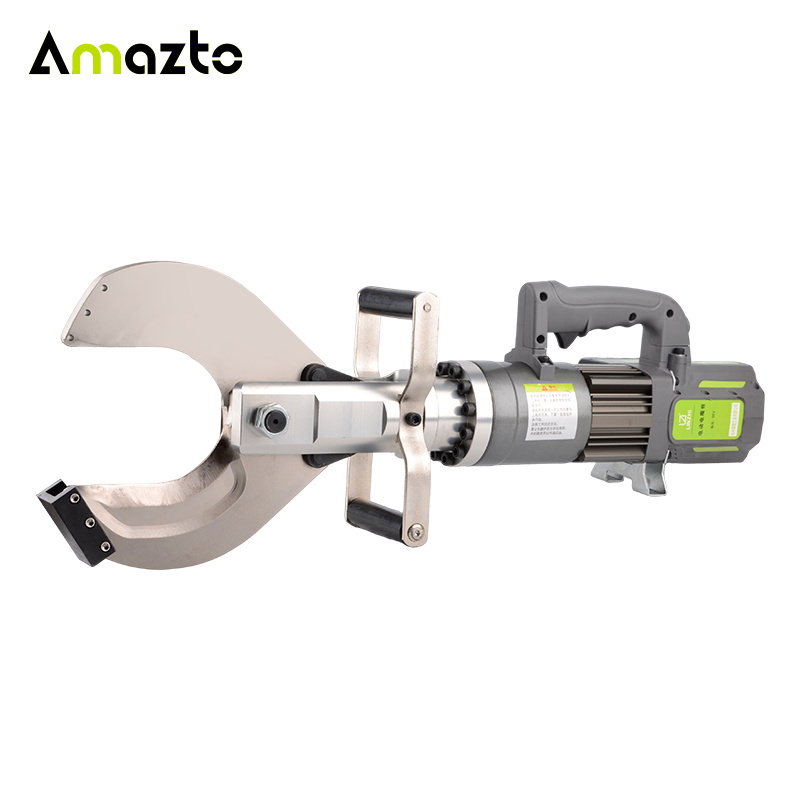
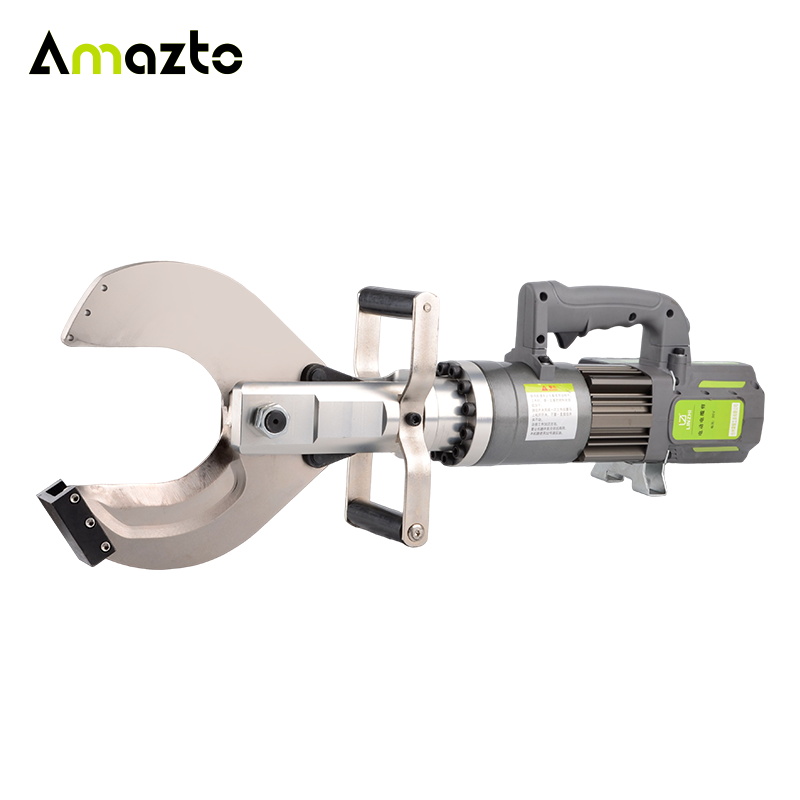
The global market for hydraulic cable cutters is experiencing a notable upswing, driven by ongoing investments in infrastructure modernization, utility upgrades, and renewable energy installations. This specialized tool, designed to cleanly and efficiently sever thick electrical cables, steel ropes, and wire strands, is becoming increasingly indispensable across multiple sectors. Industry analysis points to a growing reliance on the hydraulic cable cutter, highlighting its critical role in maintenance, construction, and decommissioning projects where safety, precision, and power are paramount.
A key factor behind this increased demand is the predominant performance profile of a modern hydraulic cable cutter. Unlike manual or mechanically operated alternatives, this tool utilizes high-pressure hydraulic fluid to generate significant cutting force with relatively low operator input. This results in clean, compressed cuts that are essential for tasks such as preparing cable ends for terminations or safely removing old wiring. The efficiency and reliability of a hydraulic cable cutter translate into reduced labor time and enhanced on-site safety, as the controlled power minimizes the risk of frayed wires or unpredictable cable slippage.
Furthermore, the expanding scope of renewable energy and grid modernization initiatives is directly contributing to the tool's prominence. The installation and maintenance of wind farms, solar parks, and upgraded transmission lines involve extensive work with high-capacity cables. A robust hydraulic cable cutter is often the preferred tool for field technicians and construction crews working in these environments, as its portability and self-contained power source—often an electric or battery-powered pump—allow for effective operation in remote or confined locations. The versatility to handle various cable diameters and materials with a single hydraulic cable cutter adds to its practical value for utility and contracting companies.
Technological refinements are also shaping the evolution of the hydraulic cable cutter. Manufacturers are focusing on ergonomic designs to reduce operator fatigue, incorporating features like lighter-weight heads, rotating blades for easier positioning, and insulated models for enhanced safety when working on or near live circuits. The development of battery-powered hydraulic systems has increased the tool's autonomy and convenience, eliminating the need for hoses connected to a separate power unit and broadening its applicability. These advancements ensure the hydraulic cable cutter remains aligned with the practical demands of field service professionals.
The future trajectory of the hydraulic cable cutter market appears closely linked to global trends in urban development, energy transition, and telecommunications network expansion. The need for efficient tools in demolition, salvage operations, and shipbuilding further underpins steady demand. As infrastructure ages and new systems are deployed, the requirement for safe and efficient cutting solutions will persist. Innovations may continue to focus on increasing power-to-weight ratios, improving blade longevity, and integrating smart features for maintenance monitoring.
The hydraulic cable cutter has established itself as a fundamental tool for professionals dealing with heavy-duty cutting tasks. Its growth is supported by the tangible needs of modern infrastructure and energy projects, where its combination of power, control, and portability offers a distinct advantage. The ongoing development of the hydraulic cable cutter reflects a commitment to meeting the challenges of tough cutting applications with effective and user-conscious technology, ensuring its continued relevance in industrial and utility operations worldwide.
 Previous