 English
 中文简体
中文简体 русский
 GET A QUOTE
Industry News
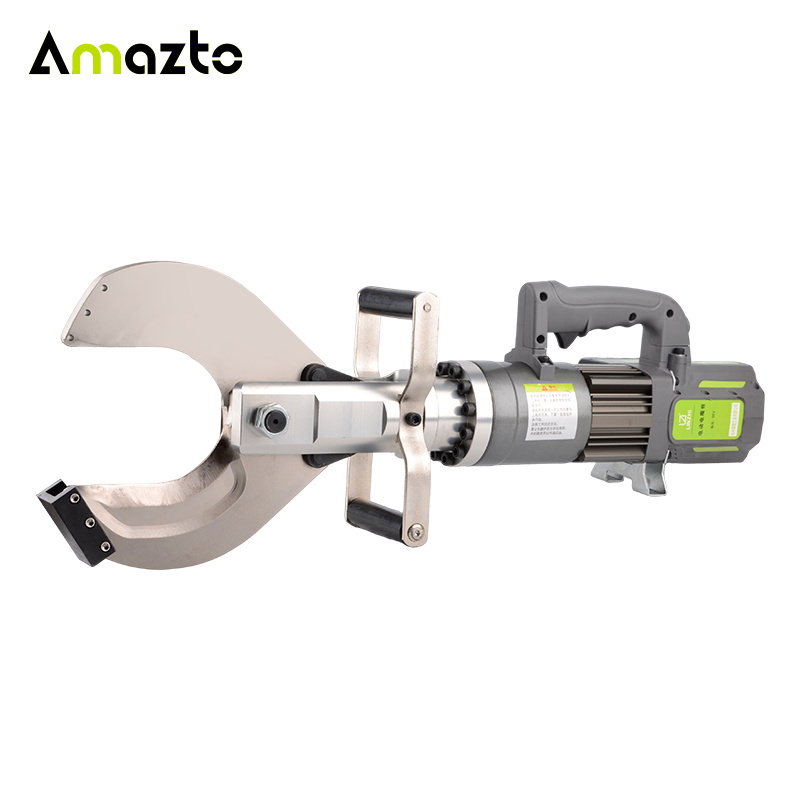
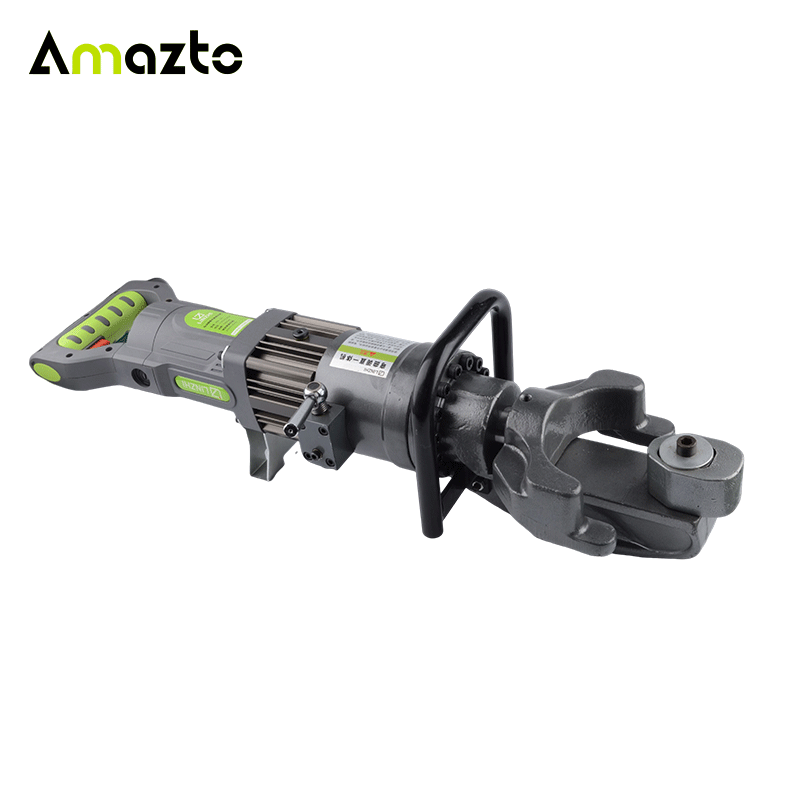
Ask a field crew why a hydraulic swage crimping tool started producing inconsistent crimps after months of steady use, and will point to the pump or the hose first. The die is usually the actual culprit, and it wears in a way that's easy to miss until a batch of finished connections starts failing pull tests.
The Die Cavity Changes Shape Before It Looks Worn
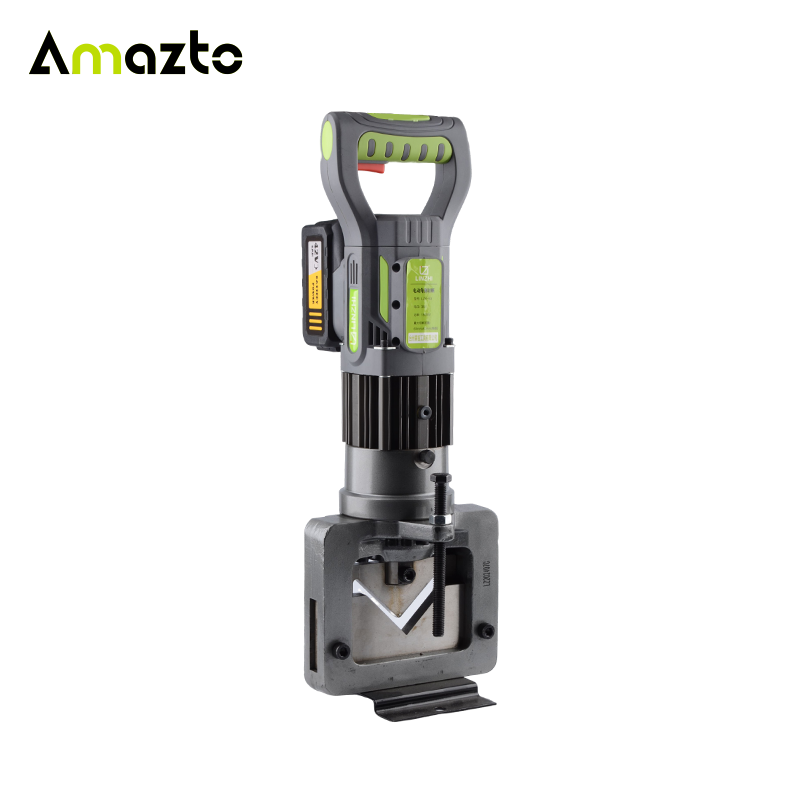
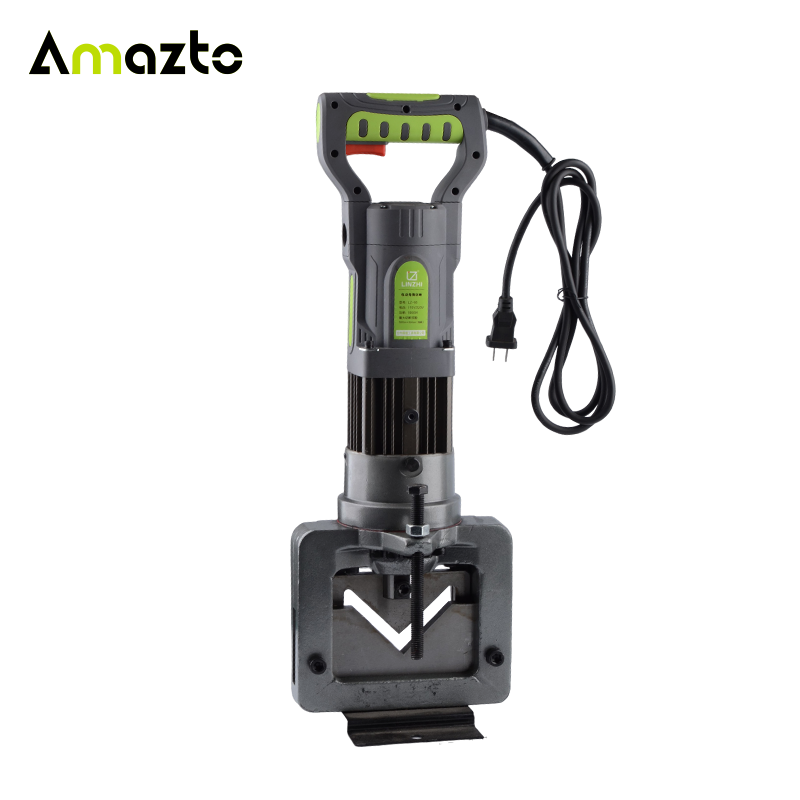
A swage die presses a terminal down onto a conductor by forcing metal into a precisely shaped cavity, and every crimp cycle abrades that cavity surface a tiny amount. Early wear doesn't show up as a visible defect — it shows up as a crimp that's a fraction of a millimeter looser than spec, which is invisible to the eye but measurable under pull-test load. A hydraulic swage crimping tool manufacturer tracking die wear against a cycle count, rather than relying on visual inspection alone, catches this drift before a customer's connections start failing in the field.
Die Steel Grade Determines How Fast That Drift Happens
Not every die is machined from the same steel, and the grade matters more than buyers realize when they're comparing quoted prices between suppliers. A die cut from a lower-hardness tool steel wears into an out-of-spec cavity shape faster under repeated high-pressure cycling than one machined from a properly hardened alloy. This swage die wear pattern difference is exactly why two crimping tools with identical hydraulic ratings can produce very different crimp consistency over a comparable service life.
|
Factor |
Standard-Grade Die |
Hardened-Grade Die |
|
Cavity wear rate |
Faster under repeated cycling |
Slower, holds tolerance longer |
|
Typical service interval before replacement |
Shorter |
Longer |
|
Upfront tooling cost |
Lower |
Higher |
|
Best fit for |
Occasional-use applications |
High-cycle production crews |
Pump Pressure Consistency Matters as Much as Peak Tonnage
A spec sheet advertises peak hydraulic pressure, but a hydraulic crimping cable terminal connection actually depends on that pressure holding steady through the full compression stroke, not just at the moment of peak force. A pump that surges and drops mid-stroke can leave a crimp that measures fine on the outside diameter but hasn't fully seated the conductor strands inside. Buyers comparing hydraulic units should ask for pressure-consistency data across the stroke, not just a single peak-pressure number.
Portability Trades Off Against Sustained Cycling Capacity
Field crews increasingly want a portable hydraulic press tool light enough to carry up a tower or into a manhole, and manufacturers have responded with smaller pump housings and lighter frames. That weight reduction usually comes from a smaller reservoir, though, which means the pump works harder and runs hotter across a long day of repeated crimps than a bench-mounted unit with a larger oil reservoir would. Crews doing high-volume field work should weigh actual daily cycle counts against a tool's continuous-duty rating before assuming lighter is simply better.
Certification Documentation Should Specify the Terminal Types Actually Tested
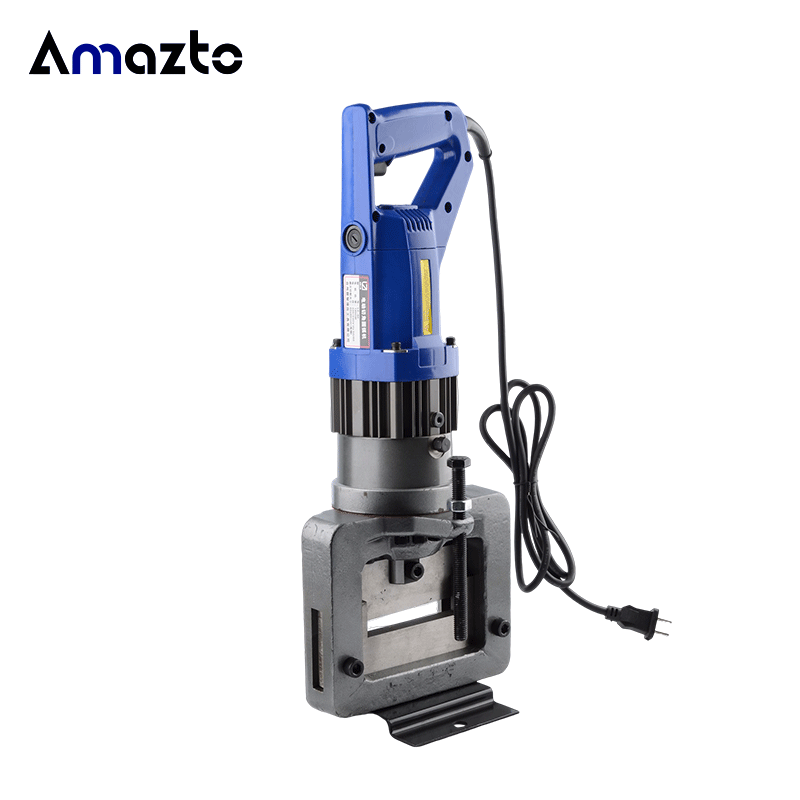
A crimping tool rated for use with copper terminals doesn't automatically perform the same way with aluminum, since aluminum's different hardness and oxide layer behavior change how the die needs to compress the connection. An OEM hydraulic swage crimping tool manufacturer producing dies calibrated separately for copper and aluminum terminal families gives buyers documentation they can actually match against their project specs, rather than a single general compression rating that doesn't distinguish between conductor materials.
Reconditioning a Worn Die Isn't Always the Right Call
Some suppliers offer die reconditioning — regrinding the cavity back toward original dimensions — as a cheaper alternative to full replacement. This works within limits, but a die reground past a certain point loses enough material that wall thickness around the cavity drops below what's structurally safe under full hydraulic load. A manufacturer willing to tell a buyer when a die has passed the point where reconditioning still makes sense, rather than reconditioning indefinitely for repeat business, is generally the more trustworthy long-term supplier relationship.
 Previous