 English
 中文简体
中文简体 русский
 GET A QUOTE
Industry News
A fabrication shop running electric sheet metal nippers eight hours a day notices blade dulling long before a shop using the same tool for occasional trim work does, and the difference in how each shop should be sourcing blades gets lost if buyers treat "nippers" as a single undifferentiated category.
Shear Angle Geometry Decides Edge Quality More Than Motor Power
It's tempting to compare electric sheet metal nippers purely on motor wattage, since that's the number that's easiest to put on a spec sheet. But the angle at which the upper and lower blades meet during the cutting stroke has more influence on edge burr and cut cleanliness than raw motor power does. A shallower shear angle produces a cleaner edge on thin gauge material but generates more resistance on thicker stock, while a steeper angle handles thicker material with less strain but leaves a slightly rougher cut edge on thin sheet.
Blade Steel Grade Sets the Real Service Interval
Two nippers built on identical mechanical platforms can have wildly different blade life depending on the steel used. An electric sheet metal nippers hardened through proper heat treatment holds its edge through significantly more linear feet of cutting before requiring a sharpen or swap than a softer, unhardened blade steel. Shops running the tool daily should ask suppliers for blade hardness ratings specifically — a spec that's frequently left off general product listings even though it drives the bulk of the tool's ongoing cost of ownership.
|
Blade Attribute |
Standard Blade Steel |
Heat-Treated Blade Steel |
|
Edge retention under daily use |
Shorter interval between sharpening |
Longer interval |
|
Cut cleanliness on coated panels |
Degrades faster as edge dulls |
Holds cleaner cut longer |
|
Upfront cost |
Lower |
Higher |
|
Best fit |
Light or occasional use |
Production-line daily use |
Handheld Versions Sacrifice Something to Stay Light
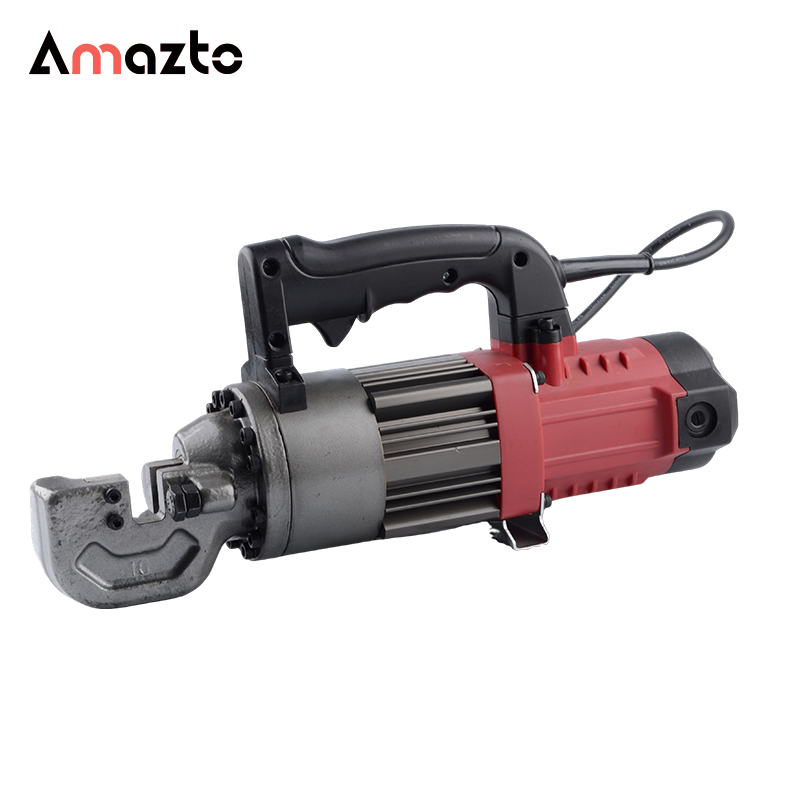
An electric sheet metal nippers needs to stay light enough for extended one-handed operation, which typically means a smaller motor and a lighter-gauge blade assembly compared to a bench-mounted unit. That's a reasonable trade for mobility, but it does mean handheld units generally handle a narrower material thickness range before performance drops off. Buyers should match rated thickness capacity to their actual material specs rather than assuming a handheld tool covers the same range as a stationary shop unit.
Coated and Painted Panels Wear Blades Faster Than Bare Steel
Cutting pre-painted or coated panels — increasingly common in construction and appliance manufacturing — introduces abrasive coating particles that accelerate blade wear beyond what bare steel of the same thickness would cause. Shops working primarily with coated stock for an angle iron fabrication tool program should plan for shorter blade-replacement intervals than published specs suggest, since manufacturer testing is done against uncoated reference material.
Cordless Platforms Are Changing Where This Tool Gets Used
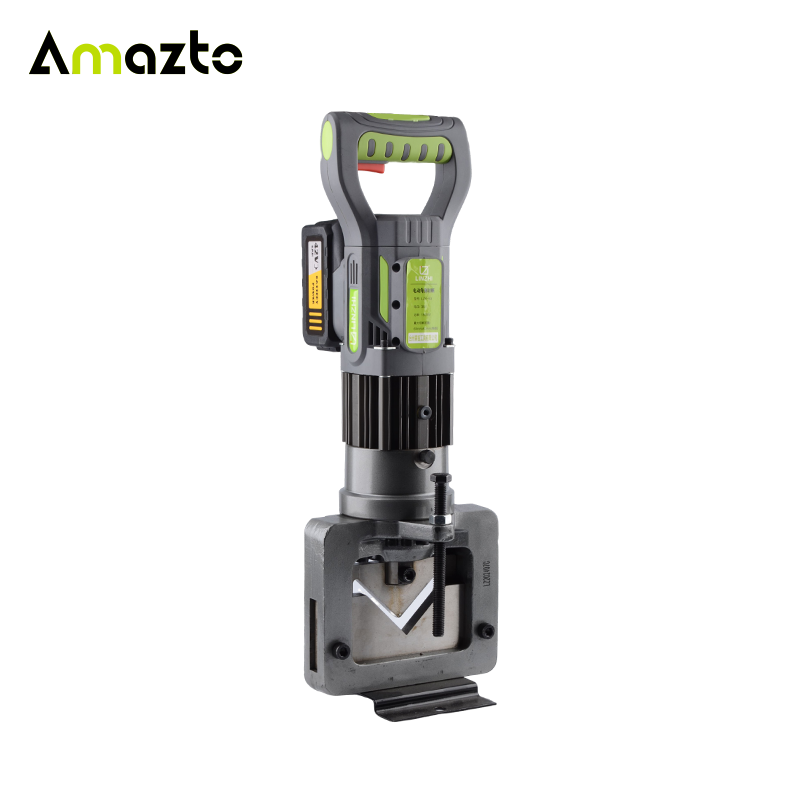
The shift toward cordless metal cutting tool platforms has opened up nippers and nibblers for use in locations where running a power cord was previously impractical — rooftop work, scaffolding, remote site fabrication. Battery-powered versions currently trail corded units slightly on sustained cutting force, which matters for shops doing continuous heavy-gauge work, but for intermittent trim and fit-up tasks the mobility gain tends to outweigh that gap.
 Previous