 English
 中文简体
中文简体 русский
 GET A QUOTE
Industry News
Fabrication shops sourcing angle steel equipment have been gravitating toward a specific buying pattern over the past couple of years: rather than purchasing separate single-purpose machines for cutting, bending, and chamfering, more shops are standardizing around insertion-style platforms where one base unit accepts interchangeable working heads.
One Motor Base, Multiple Interchangeable Functions
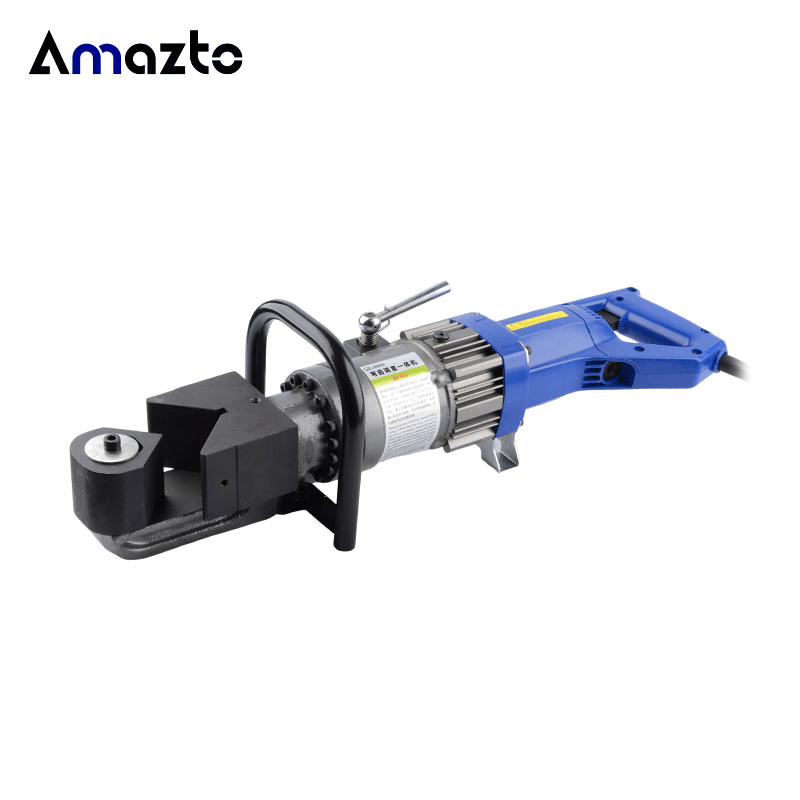
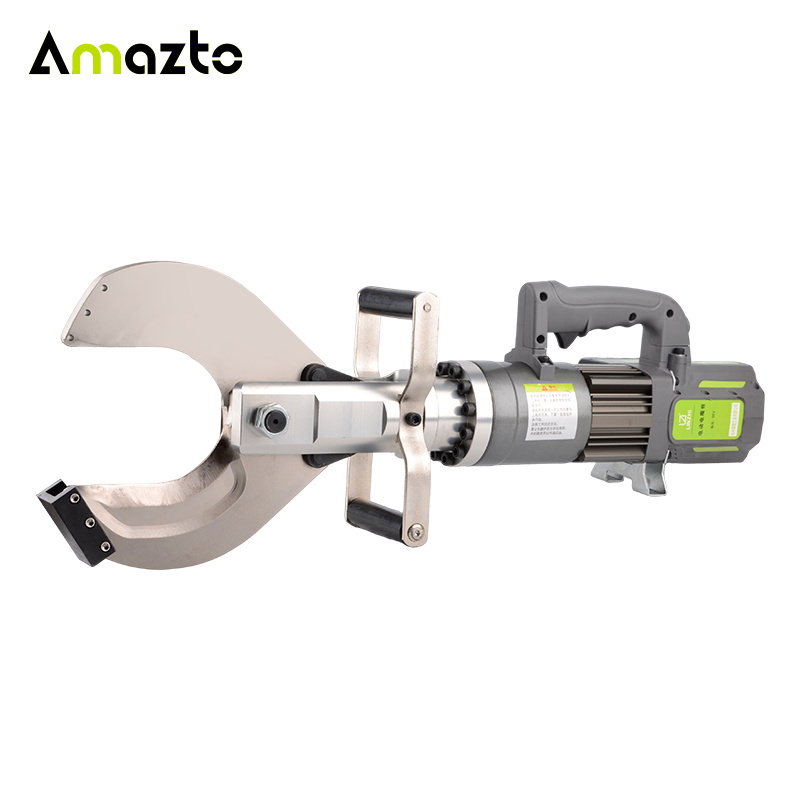
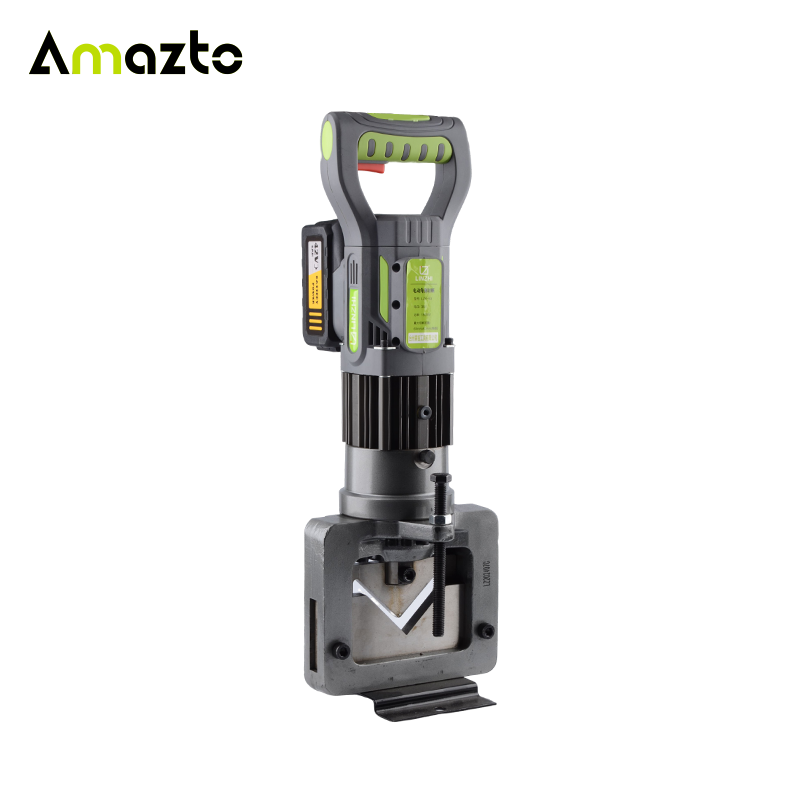
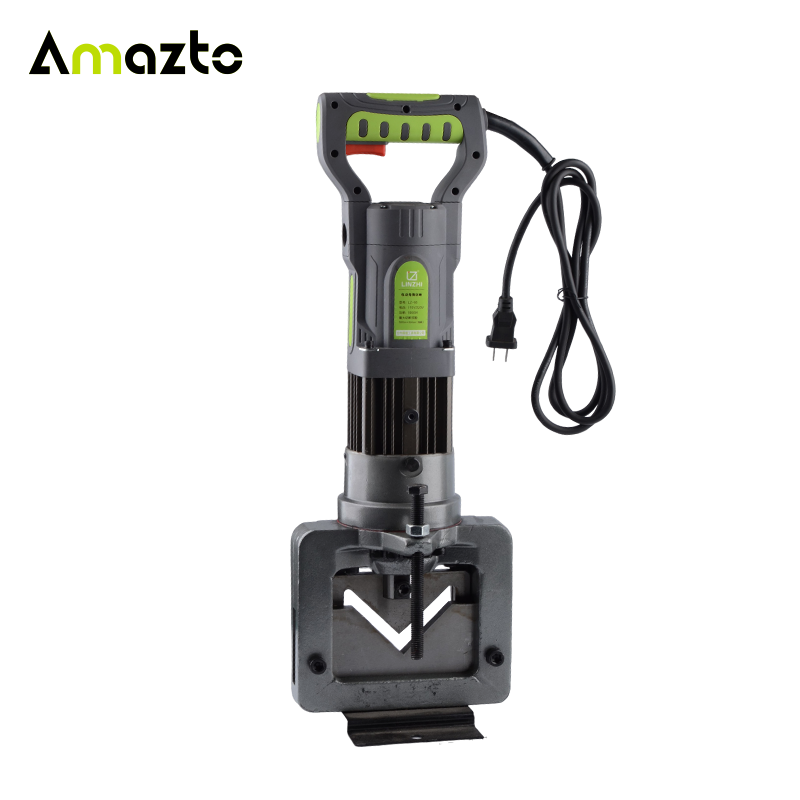
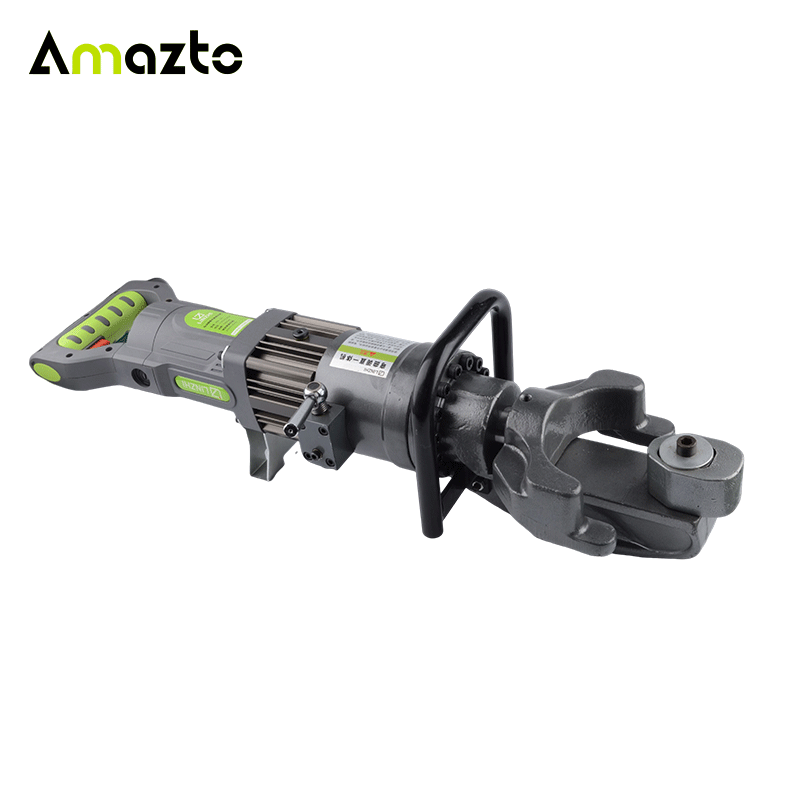
An insertion electric angle bending machine like the LZ-60V represents this shift directly — the insertion design lets the same motor housing accept different tooling heads depending on whether the job calls for bending, cutting, or chamfering, rather than requiring a dedicated standalone machine for each operation. Shops with limited floor space or fluctuating job types benefit from this approach, since a single motor investment covers multiple operations instead of three or four separate capital purchases.
Floor Space Savings Aren't the Only Driver
Cutting down on insertion electric angle bending machine tooling footprint matters for shops in leased spaces where square footage carries real monthly cost, but the appeal goes beyond just floor space. Maintenance also simplifies when a shop is servicing one motor platform instead of multiple different motor types across separate machines, since technicians only need to stock spare parts and learn service procedures for a single drivetrain rather than three or four.
| Approach | Dedicated Single-Purpose Machines | Insertion-Style Modular Platform |
|---|---|---|
| Upfront equipment cost | Higher, one machine per function | Lower, shared motor base |
| Floor space required | Larger footprint | Smaller footprint |
| Maintenance complexity | Multiple motor types to service | Single motor platform |
| Flexibility for changing job types | Fixed to purchased machines | Add heads as job mix shifts |
Interchangeable Heads Introduce Their Own Fit Tolerance Question
The convenience of an insertion electric angle bending machine attachment system depends entirely on how precisely each head mates with the shared motor base. A loose or worn mounting interface between head and base transmits less consistent force to the bending or cutting operation than a dedicated single-purpose machine with a permanently fixed working head would. Buyers evaluating modular platforms should ask specifically how the manufacturer controls mounting-interface tolerance across a production run of interchangeable heads, since this is the detail that determines whether the modular convenience actually holds up in daily use.
This Trend Tracks Broader Shifts in Structural Fabrication Demand
The move toward modular platforms lines up with a broader pattern in structural steel fabrication equipment sourcing: shops are increasingly quoting smaller, more varied jobs rather than committing to long runs of identical structural pieces, which rewards equipment flexibility over single-purpose throughput. A shop that mostly ran long production batches of one angle-iron gate design five years ago might now be quoting five different custom fabrication jobs in a single week, and that variability is exactly the condition under which an insertion electric angle bending machine platform earns back its investment fastest.
Adoption Is Uneven Across Shop Sizes
Smaller fabrication operations have adopted insertion electric angle bending machine platforms faster than larger production shops, largely because smaller shops feel capital equipment costs more directly and have more to gain from consolidating multiple functions into one purchase. Larger shops running dedicated production lines for a single repeated product still often prefer fixed single-purpose machines, since the marginal efficiency loss from a shared mounting interface matters more once volume reaches a point where dedicated equipment pays for itself through sheer throughput.
 Previous